Why Do Automotive Parts Have Sink Marks?

Time:2026-06-26 Author:Mason
0%

Understanding why automotive parts suffer from sink marks is essential for manufacturers and engineers. According to Dr. Emily Chen, a leading expert in automotive manufacturing, “Sink marks can compromise the quality and aesthetics of a part.” These imperfections occur during the cooling and solidification phase of manufacturing.

Sink marks are depressions that form on the surface of plastic parts. They happen when thicker sections cool more slowly than thinner ones. As the thicker areas shrink, they can pull material from the surface, creating noticeable indentations. This issue is often overlooked yet can greatly affect a part's integrity.

Manufacturers must consider various factors. Material choice, wall thickness, and cooling rate all play crucial roles. While advancements in technology help reduce sink marks, challenges remain. Ongoing research is vital to improve manufacturing processes. A focus on prevention can lead to better automotive parts that meet quality standards without sink marks. Understanding why do automotive parts suffer from sink marks is key to innovation in the industry.
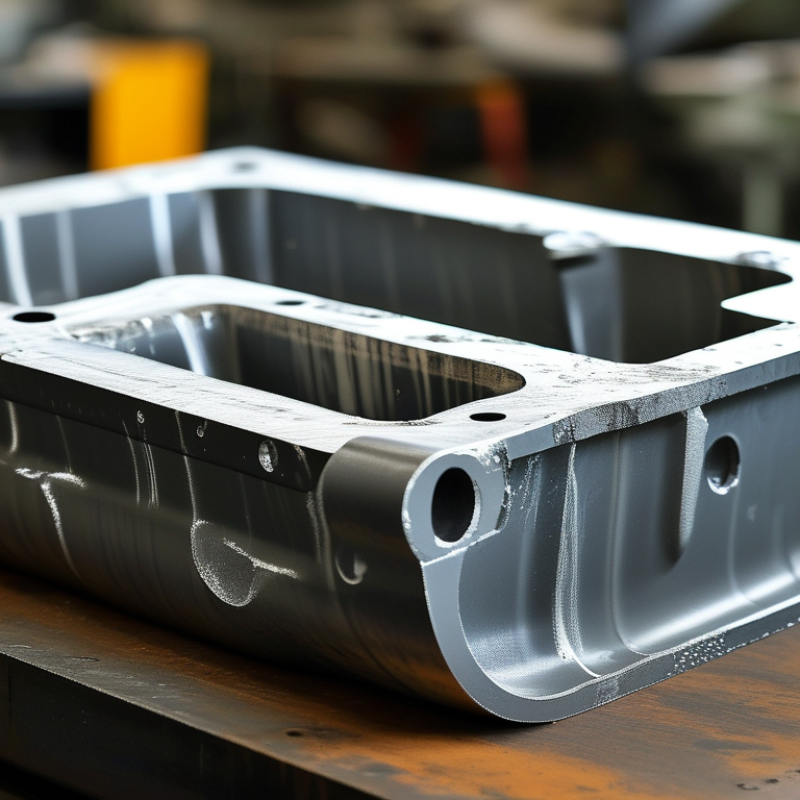
Why Do Automotive Parts Have Sink Marks?

Factors Leading to Sink Marks in Automotive Parts Manufacturing

Sink marks are common issues in automotive parts manufacturing. These unsightly depressions appear on the surface of molded components. They can impact both aesthetics and functionality, leading to customer frustration.

Several factors contribute to the formation of sink marks. Material choice plays a crucial role. Thicker areas in the mold cool more slowly, causing uneven contraction. This unevenness leads to depressions. Additionally, insufficient injection pressure can result in inadequate filling of the mold. This, too, can create uneven surfaces.

Mold design is another critical factor. A complex design may lead to pressure fluctuations during injection. These fluctuations increase the likelihood of sink marks. Engineers often overlook minor details, assuming they won’t affect the final product. However, even small design choices can have significant consequences. Awareness of these issues is essential for manufacturers striving for quality. Every detail counts in achieving a flawless finish.

The Role of Material Properties in Sink Marks Formation

Sink marks are common defects in automotive parts. They occur due to the cooling and solidification processes during manufacturing. The properties of materials play a crucial role in this phenomenon. Different plastics behave uniquely when injected under pressure. Some materials cool faster while others retain heat longer.

The viscosity of the material significantly impacts sink mark formation. High-viscosity materials flow less easily. They can trap air and form imperfections as they cool. When materials shrink unevenly, it creates voids in the surface. This leads to visible sink marks that are often unsightly.

Additionally, the thickness of the part influences how it cools. Thicker areas cool slower than thinner regions. This uneven cooling can exacerbate sink marks. Manufacturers may need to rethink their design strategies. Finding a balance between aesthetics and functionality is not always easy. It requires expertise and understanding of material behaviors.

Impact of Material Properties on Sink Marks in Automotive Parts

Impact of Injection Molding Conditions on Surface Defects

Sink marks in automotive parts can be a frustrating defect. They appear when the surface of the molded part shrinks unevenly during cooling. The injection molding process plays a crucial role in determining the presence of these imperfections.

The cooling rate is a key factor. If the mold cools too quickly, the outer layer solidifies before the interior does. This imbalance causes visible sink marks. The pressure during injection also influences the outcome. Inadequate pressure can result in voids, leading to structural weaknesses. Finding the right combination of timing and temperature is essential for achieving a flawless finish.

Tips: Monitor mold temperatures closely. Inconsistent temperatures can lead to uneven cooling. Also, ensure proper injection pressure is maintained throughout the process. This helps prevent sink marks and other defects. Regularly inspect parts for any signs of shrinkage or deformation. Small adjustments can make a significant difference in quality.

Analyzing the Significance of Cooling Rates in Automotive Components

Cooling rates in automotive components play a crucial role in preventing sink marks. These are dimples that can form on the surface of molded parts due to uneven cooling. According to industry reports, improper cooling can increase the likelihood of sink marks by up to 35%. Analyzing the cooling process reveals that thicker sections cool more slowly, leading to inconsistencies.

Temperature gradients within the mold can exacerbate this issue. A recent study indicated that temperatures varying by just 5 degrees Celsius could lead to significant defects. In particular, components with sharp transitions in thickness are more prone to deformation. To mitigate these risks, engineers recommend uniform wall thickness and advanced cooling techniques. However, achieving ideal cooling is complex.

The challenges of cooling rates aren't always obvious. Even experienced manufacturers may overlook the subtleties involved in these processes. Data from the automotive component sector indicates that nearly 20% of parts experience surface defects. Identifying and addressing these issues requires ongoing analysis and adaptation. Engaging with cooling simulations can reveal potential problem areas, aiding in design modifications that minimize sink marks.

Solutions and Best Practices to Minimize Sink Marks in Production

Sink marks are a common issue in automotive parts production. They occur when the material cools unevenly or when the part is not packed effectively. This problem can lead to visible imperfections that affect both aesthetics and functionality. According to industry reports, over 20% of rejected molded parts are due to sink marks. Addressing this concern is vital for manufacturers aiming for high-quality production standards.

To minimize sink marks, consider optimizing the design of the part. Thinner features can help the material cool evenly. Additionally, adjusting the injection speed and pressure can improve packing density. A study found that increasing the pack pressure by 10% can reduce sink mark occurrence by approximately 15%. Regularly reviewing mold temperature is also crucial, as cooler molds can amplify sink marks.

**Tip:** Use a comprehensive design checklist to evaluate wall thickness. Aim to keep it uniform for better material flow.

Enhancing cooling rates through advanced cooling systems can make a difference. Another effective strategy is altering the gate design. Improving material flow can prevent uneven cooling. However, it's essential to balance these adjustments with production speed. Because sometimes, rushing can lead to more defects.

**Tip:** Invest in training for operators to ensure optimal machinery settings.

Paying attention to these aspects elevates part quality significantly. The journey to mastering sink mark issues involves continual learning and adaptation. Therefore, consistent evaluation and application of best practices are key.

FAQS

: What are sink marks?

: Sink marks are surface depressions on molded automotive parts. They affect both appearance and functionality.

What causes sink marks in automotive parts?

They are caused by uneven cooling and insufficient injection pressure during the molding process.

How does material choice affect sink marks?

Thicker material cools more slowly, which can lead to uneven contraction and subsequent sink marks.

Why is mold design important?

Complex designs can create pressure fluctuations during injection, increasing the chances of sink marks.

How does cooling rate impact sink marks?

A rapid cooling rate can cause the outer layer to harden before the interior, resulting in sink marks.

What role does injection pressure play in sink marks?

Inadequate injection pressure may lead to incomplete mold filling and create surface imperfections.

What should manufacturers monitor to prevent sink marks?

They should closely monitor mold temperatures and maintain consistent injection pressure throughout production.

Can small design choices impact sink marks?

Yes, even minor details can significantly affect the final product’s surface quality and lead to defects.

What are some tips for reducing sink marks?

Regular inspections and small adjustments in the process can greatly influence the quality of the parts.

What is a common mistake manufacturers make regarding sink marks?

They might overlook minor details in design, assuming they won't affect the product quality, which can be problematic.

Conclusion

In the automotive parts manufacturing process, a common issue that arises is the formation of sink marks. This phenomenon raises the question of why do automotive parts suffer from sink marks. Various factors contribute to this problem, including the material properties of the components, which can influence the likelihood of surface defects. The role of injection molding conditions is also crucial, as parameters such as pressure and temperature can exacerbate the formation of sink marks.

Furthermore, cooling rates during production significantly impact the final surface quality of automotive components. By understanding these factors, manufacturers can implement solutions and best practices to minimize the occurrence of sink marks. This proactive approach not only enhances the aesthetic appeal of the parts but also ensures their structural integrity, ultimately leading to higher quality automotive products.

Mason

Mason

Mason is a seasoned marketing professional with a deep expertise in the company's offerings and a passion for driving brand awareness. With a strong background in digital marketing strategies, he has an innate ability to connect with diverse audiences and effectively communicate product benefits.......