How much does a custom medical mold cost? The honest answer depends on the part, the process, and the evidence needed to qualify production. A compact, single-cavity tool for a simple component may cost far less than a multi-cavity mold with tight tolerances, complex slides, or automated features. Material choice matters, too. A medical-grade resin can require careful testing, while a polished surface or thin wall may demand extra toolmaking work. There is no useful universal price tag.
David Kazmer, a plastics-engineering professor, is a relevant expert to consult on tooling and manufacturing economics. I cannot verify a direct quotation from him on custom medical mold pricing, so I will not invent one or attribute generated words to him. That caution matters. A credible estimate should connect the quoted price to a defined scope: part geometry, cavity count, steel selection, mold trials, inspection requirements, and expected production volume. A low initial quote may exclude changes, sampling, or validation support. Ask what it includes.
This guide explains the cost drivers and the questions to ask before approving a quote. It also distinguishes mold cost from the per-part price, which depends on cycle time, material use, and production volume. A drawing with a thin rib, a tight tolerance, or an undercut can change the tooling plan quickly. Small details matter. Use the estimates as planning ranges, not promises; actual costs require a reviewed design and supplier quotation.
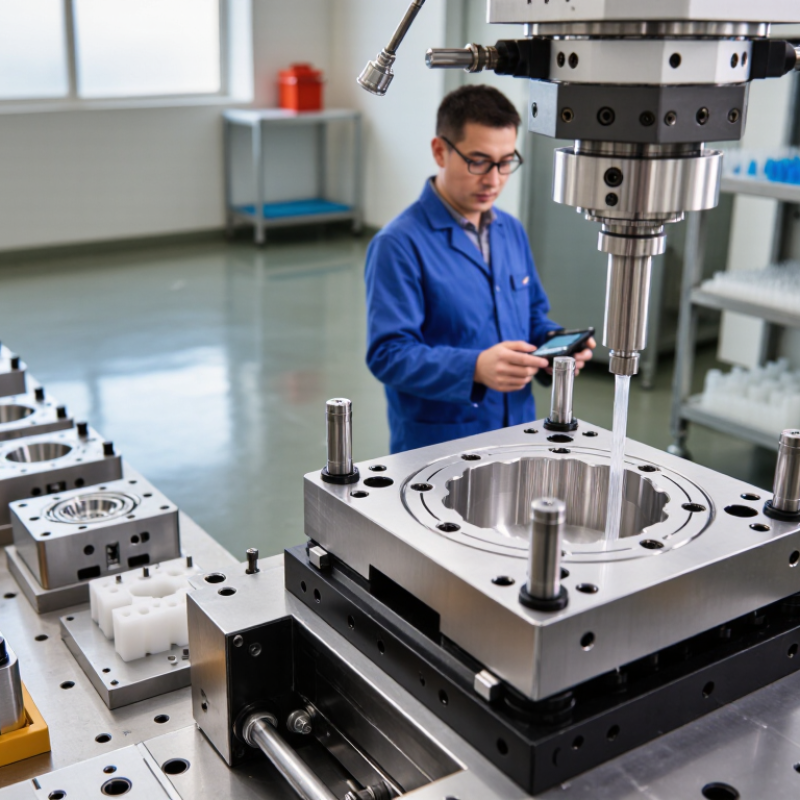
A custom medical mold is a purpose-built tool that shapes plastic or another selected material into a defined component. It may produce a small connector, a thin-walled housing, or a part with tiny channels. The mold is designed around the part’s geometry, material, production volume, and required tolerances. Small details matter. A narrow channel or delicate feature can affect both tool design and manufacturing difficulty.
The quoted cost may include design review, three-dimensional modeling, mold fabrication, and trial runs. It can also cover sample inspection, dimensional reports, and adjustments after testing. For medical components, teams may need additional documentation or process checks, depending on the product and its intended use. These activities are not always included in the tooling price, so a quote should state what is covered. Production resin, machine time, packaging, and ongoing maintenance may be separate charges.
Tool complexity, cavity count, steel selection, and expected output all influence cost. A single-cavity mold may suit a modest production run, while higher-volume plans can justify more complex tooling. The lowest initial quote is not always the least expensive option over time. A part may change after its first samples are reviewed; that can require extra machining or a revised insert. Early estimates can miss these details, especially before drawings and material requirements are settled.
Illustrative planning estimates in USD. Actual costs depend on part geometry, mold materials, cavity count, tolerances, and qualification requirements.
The chart separates common cost components: engineering, tooling, validation, and documentation. These illustrative totals are $27,000, $65,000, and $150,000; a supplier quote will vary with the project’s specifications.
Custom medical mold pricing is shaped by cavity count, geometry, tolerances, and expected production volume. A single-cavity tool with a simple parting line usually needs less machining than a multi-cavity mold with side actions, thin walls, or deep undercuts. Each slide, lifter, and precision insert adds design work and maintenance points. Tight tolerances can also require slower machining and more inspection. A tiny connector feature may take longer to finish than a large, flat surface.
Material choice changes both the upfront price and useful mold life. Hardened tool steel costs more to machine than aluminum, but may suit longer production runs or abrasive resins. Polished cavities, corrosion resistance, and specialized cooling channels add further cost. Separate tooling costs from cleanroom production costs: ISO 14644-1:2015 sets an ISO Class 7 limit of 352,000 airborne particles per cubic meter at 0.5 micrometers or larger. If controlled production handling is needed, qualification and packaging can raise project costs, even when the mold itself is unchanged. Estimates still have blind spots; resin behavior and late design changes can shift the final figure.
Tips: Share 3D files, resin specifications, annual volume, and critical dimensions when requesting quotes. Ask which features drive the price, and whether the quote includes mold trials, inspection, and maintenance. A cheaper tool is not always the cheaper choice.
A custom medical mold’s cost depends on geometry, resin, tolerances, and expected production volume. Basic tooling may cost several thousand dollars, while complex, multi-cavity molds can reach tens of thousands or more. The steel is only part of the bill. Design reviews, mold-flow analysis, trial shots, and adjustments can add weeks and expense. A small change to a thin wall or gate location may require another tool iteration.
Testing and validation add costs because teams must show that parts and processes perform consistently. Typical work can include dimensional checks, material assessments, sample runs, and process qualification. The scope depends on the device, its intended use, and the required quality system. Ask for a separate estimate for testing, documentation, and rework; these items are easy to underestimate. I would not assume one successful sample proves a stable process.
Tips: Request a written breakdown for tooling, sampling, validation, and ongoing maintenance. Confirm how many trial rounds are included, and who pays if a design change requires new inserts. Keep a few representative molded parts from each trial. They make comparison easier, though they cannot replace formal test records.
Planning estimates in USD for a custom injection-molded medical component. Actual costs depend on part geometry, material, cavity count, production volume, regulatory requirements, and supplier scope. These ranges are indicative, not quotations.
| Cost area | Typical planning range (USD) | What the cost can cover | Main cost drivers |
|---|---|---|---|
| Part design review and DFM | $2,000–$8,000 | Design-for-manufacturing review, draft and wall-thickness review, tooling concept, and design feedback. | Part complexity, number of design iterations, and documentation detail. |
| Prototype or bridge mold | $5,000–$20,000 | Lower-volume tooling used to evaluate fit, function, or early process settings before production tooling. | Tool material, expected shot life, part size, and whether the tool uses production-intent features. |
| Production mold: single cavity | $25,000–$80,000 | Mold base, cavity and core, machining, cooling, ejection, assembly, and initial tool trials. | Part size, steel grade, tolerances, undercuts, surface finish, and expected tool life. |
| Multi-cavity or complex production mold | $80,000–$250,000+ | Higher-cavity tooling, complex actions, tighter process control, or a hot-runner system where appropriate. | Cavity count, balancing, automation, hot-runner design, and dimensional requirements. |
| Tool trials and process setup | $3,000–$12,000 | Initial molding trials, parameter adjustment, sample production, and troubleshooting before qualification. | Number of trial rounds, machine time, material cost, and required sample quantities. |
| Dimensional inspection and mold qualification | $3,000–$12,000 | Inspection of specified part dimensions, measurement reports, and review of tool performance against requirements. | Number of critical dimensions, measurement method, sample size, and report format. |
| Process validation (IQ/OQ/PQ) | $8,000–$30,000 | Installation, operating, and performance qualification activities, protocols, execution, and reports when required by the quality system. | Validation scope, number of process variables, production runs, sample sizes, and documentation needs. |
| Material or biocompatibility testing | $2,000–$25,000+ | Material verification or selected biological evaluation tests, if needed for the device and intended use. | Patient-contact type and duration, test plan, existing material data, and laboratory scope. |
| Quality documentation and change control | $2,000–$10,000 | Tool records, approved specifications, traceability documents, validation records, and controlled design or process changes. | Customer requirements, quality-system procedures, and documentation depth. |
| Illustrative total: single-cavity project | Approximately $60,000–$150,000 | Example includes design review, production tooling, trials, inspection, applicable validation, and documentation. Optional testing and project-specific requirements can move the total outside this range. | |
Cost note: Testing and validation are not identical for every medical device. Confirm the intended use, applicable regulatory pathway, acceptance criteria, and supplier scope before comparing quotes; avoid counting the same qualification activity in multiple line items.
A custom medical mold estimate begins with the part geometry, but the manufacturing route often determines the final price. A simple, single-cavity design may need only standard machining and modest polishing. Thin walls, deep ribs, or undercuts can require specialty tooling, extra machining time, or moving mold sections. Every added feature has a cost.
The material and finish matter, too. Aluminum tooling can suit some short production runs, while hardened steel may be more practical for repeated cycles. The choice depends on expected volume, resin, and wear—not just the mold’s purchase price. Small surface defects can show up clearly on a molded part. That part is easy to underestimate.
Then comes testing. Engineers may inspect dimensions, run sample shots, adjust cooling, and refine the mold after seeing real parts. Medical applications can call for tighter documentation, traceability, or controlled production conditions, depending on the device and its requirements. These steps take time and should be discussed before quoting. A rushed estimate may omit them. I’ve seen teams focus on the tool alone, then discover that inspection and revisions also shape the budget. Clear drawings, realistic tolerances, and an agreed validation plan make estimates more useful. The process is not always linear. A first sample may expose a problem no drawing revealed.
A custom medical mold quote is only useful when its assumptions are clear. Compare the same part drawing, resin, annual volume, and tolerance requirements across suppliers. Check whether each price includes mold design, machining, sampling, inspection reports, and trial adjustments. One quote may exclude these items, making a low headline price misleading. Small details matter.
Ask how many cavities are included, what tool life is estimated, and which steel or aluminum grade is proposed. Request expected sample timing and the process for approving changes. For medical applications, confirm what documentation and cleanliness controls are actually required for your part; not every component needs the same level. Get exclusions in writing. A polished quote can still conceal uncertainty.
Build a budget beyond the mold price. Include design revisions, first-article inspection, maintenance, spare components, shipping, and production costs per part. Keep a contingency for adjustments after testing, especially when geometry or material performance is not fully proven. Compare total cost over your expected production volume, not just the initial tooling bill. I have seen planning miss this. The estimate should show assumptions, payment milestones, and what happens if trials reveal a problem. Revisit the budget when specifications change; an early estimate is not a promise.
It is a purpose-built tool that shapes plastic or another selected material. It can make parts such as small connectors, thin housings, or pieces with narrow channels.
A quote may cover design review, 3D modeling, mold fabrication, trial runs, inspections, and adjustments. Resin, machine time, packaging, and maintenance may cost extra. Check the breakdown.
Part geometry, tolerances, cavity count, steel choice, and production volume all matter. Thin walls, deep ribs, and undercuts can require extra machining or moving mold sections. Small details matter.
Testing may include dimensional checks, material assessments, sample runs, and process qualification. Documentation and rework can add time and expense. Ask for these costs separately.
No. One good sample cannot show consistent production. Compare parts from several trial rounds and keep representative samples. Formal test records still matter.
Aluminum may suit some shorter runs, while hardened steel can work better for repeated cycles. The right choice depends on volume, resin, and wear—not purchase price alone.
A revised wall thickness or gate location may need more machining or a new insert. Confirm how many trial rounds are included and who pays for design-related changes.
Provide clear drawings, realistic tolerances, material requirements, and an agreed validation plan. Include inspection and maintenance in the discussion. Early estimates can miss things.
The question “how much does a custom medical mold cost” has no single answer: the price depends on the mold’s design, materials, dimensions, expected production volume, and required precision. A complete estimate may include engineering and design work, mold fabrication, sampling, testing, and validation—not just the initial tooling. More complex geometries, tighter tolerances, specialized materials, and demanding quality requirements can increase both cost and lead time.
The manufacturing process also affects the final budget. Buyers should clarify how the mold will be made, what production and inspection steps are included, and whether revisions or maintenance are covered. When comparing quotes, look beyond the headline price: check assumptions, deliverables, testing scope, timelines, and any costs that may arise after sampling. A realistic budget accounts for the full path from design through validated production, while allowing room for adjustments if testing reveals that changes are needed.

Ohio Machine