How to Improve Surface Finish on Molded Plastics Efficiently?

Time:2026-08-05 Author:Charlotte
0%

Improving the surface finish on molded plastics is crucial for many industries. A smooth finish not only enhances aesthetics but also improves functionality. Manufacturers often seek effective ways to achieve this goal while minimizing costs.

To understand how to improve surface finish on molded plastics, one must consider various factors. The choice of material and molding technique plays a significant role. For instance, using high-quality resins can lead to better outcomes. Additionally, the mold design itself is vital; even small imperfections can affect the final product.

However, not all processes yield perfect results. There may be instances where surface flaws still occur despite following best practices. This prompts the need for continuous evaluation and adaptation in production methods. By focusing on details and refining techniques, businesses can work towards achieving the desired quality, ultimately benefiting both them and their customers.
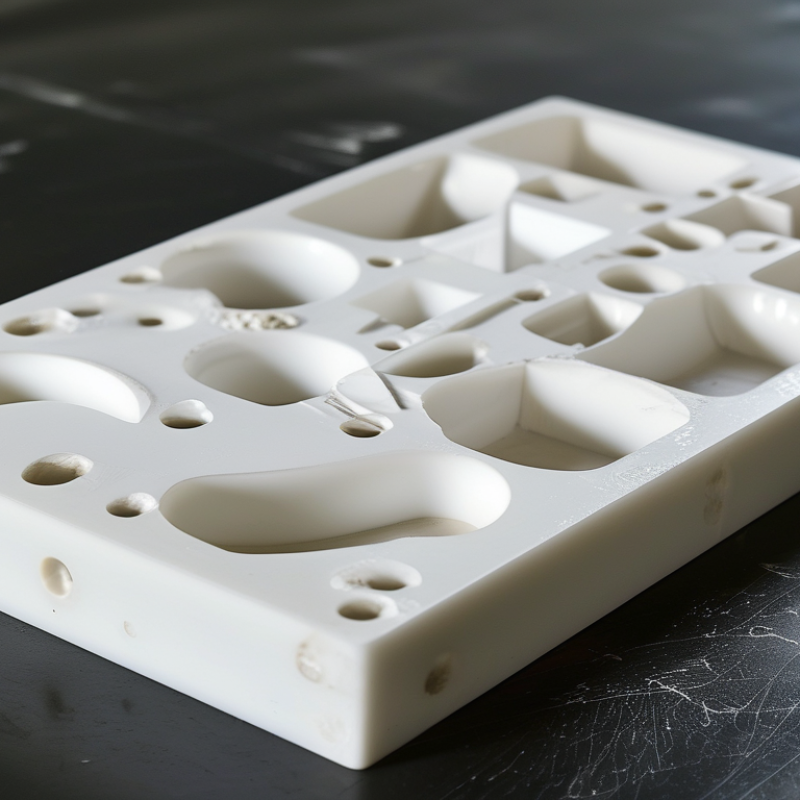
How to Improve Surface Finish on Molded Plastics Efficiently?

Factors Affecting Surface Finish in Molded Plastics

Achieving a superior surface finish in molded plastics is influenced by multiple critical factors. Material selection is paramount. Various polymers exhibit different surface characteristics after molding. For example, according to a 2022 report by the Plastic Industry Association, using ABS and polycarbonate can enhance the finish due to their inherent properties. The flow behavior of these materials during the molding process significantly impacts the final appearance.

Temperature management during molding is essential. As noted by the Society of Plastics Engineers, maintaining precise temperature control can reduce surface defects. A temperature variation of just a few degrees can lead to warping or blemishes on the part's surface. Additionally, cooling rates are crucial; too rapid cooling can cause internal stresses, negatively affecting surface quality.

Mold design also plays a crucial role. Poorly designed molds may lead to uneven surfaces, difficulties in ejecting parts, or excessive wear. A study by the American Injection Molding Institute stated that optimal gate design could enhance finish quality. Yet, many molds still face issues that require reassessment. Regular inspections and iterative design reviews are needed. By addressing these factors, manufacturers can work towards improving surface finishes in molded plastics effectively.

Techniques for Improving Surface Finish on Molded Parts

Achieving a high-quality surface finish on molded plastics is crucial for aesthetics and functionality. The surface finish impacts how a product feels and performs. According to the American Society of Mechanical Engineers (ASME), up to 70% of customer complaints are related to surface finish issues. Improving this aspect requires targeted techniques.

Incorporating advanced mold design is essential. Designing molds with smooth surfaces can significantly reduce imperfections. CNC machining is a common method that enhances mold precision. Additionally, utilizing electro-polishing can improve the mold surface, leading to smoother finishes on the final product.

Tip: Regular maintenance of molds can prevent degradation over time. A clean mold surface will produce better results.

Moreover, selecting the right plastic material also influences surface quality. Materials like polycarbonate tend to provide a better finish than others. It's important to consider how the material behaves during the injection process. Sometimes, adjustments in temperature and pressure during molding can help achieve a finer finish.

Tip: Conduct tests using varying settings to find the optimal combination for your production process.

In conclusion, refining surface finish requires careful consideration of design, material selection, and process optimization. Small adjustments can yield significant improvements, fostering better customer satisfaction and reducing complaints.

Materials and Their Impact on Surface Quality

The selection of materials significantly influences the surface quality of molded plastics. According to a report from the Society of Plastics Engineers, over 60% of surface defects stem from poor material choices. Materials like Polypropylene (PP) and Acrylonitrile Butadiene Styrene (ABS) can yield different surface finishes due to their inherent properties. For instance, ABS is known for better impact resistance and a smoother finish compared to PP. However, manufacturers often overlook how additives and fillers alter the final appearance.

Understanding the role of additives is crucial. A study published in the Journal of Applied Polymer Science highlighted that using mineral fillers can enhance surface finish but may also lead to rougher textures if not optimized correctly. The compounding process itself can introduce variability, affecting the consistency of finish. This unpredictability necessitates a careful selection of both base resins and additives. Manufacturers must also consider the processing conditions, which can exacerbate surface quality issues if materials are not suited for the intended method.

Incorporating innovative approaches may offer solutions. The use of advanced polymers and blends can help in achieving targeted surface characteristics. However, it is essential to balance performance with aesthetic qualities. Experimentation and thorough testing are often required to find the best combinations. This continuous improvement loop highlights the complexity involved and serves as a reminder that even minor changes in material composition can yield varying surface results.

Post-Processing Methods for Enhanced Surface Finish

Post-processing methods play a crucial role in enhancing the surface finish of molded plastics. One effective technique is polishing. By using various grades of abrasives, operators can gradually refine surfaces. This creates a smoother finish, but it can be time-consuming. The challenge lies in achieving consistency, as uneven pressure can lead to imperfections.

Another approach is chemical smoothing. This method involves applying specific solvents that dissolve the surface of the plastic. It provides a glossy finish and can hide minor defects. However, it requires careful control to avoid over-processing. Even a slight miscalculation can result in an undesirable outcome, such as warping or distortion.

In addition to these methods, bead blasting has gained popularity. This technique uses tiny glass or plastic beads to gently abrasive surfaces. It can eliminate small imperfections and achieve a satin finish. However, achieving a uniform application can be tricky. Inconsistencies may still occur, and operators must regularly check their results. Refining these post-processing methods can result in significant improvements, but there is always room for advancement in reliability and effectiveness.

Surface Finish Improvement Techniques for Molded Plastics

Evaluating Surface Finish: Measurement and Standards

Evaluating surface finish in molded plastics is critical for both aesthetic appeal and functional performance. Standards like ISO 1302 and ASTM D5252 guide manufacturers in measuring surface quality. These benchmarks provide metrics such as roughness average (Ra) and peak-to-valley height (Rz), ensuring products meet industry requirements. In a recent survey, over 70% of manufacturers reported that poor surface finish significantly affects customer satisfaction, highlighting the need for precise measurements.

To improve surface finish, consider employing advanced techniques like multi-step polishing and post-molding treatments. These methods can reduce imperfections, but they require careful execution. Industry studies show that utilizing a laser scanning method can enhance precision in measuring surfaces, enabling better quality control. However, balancing cost and quality remains a challenge for many.

Tip: Regularly calibrate measuring instruments to maintain accuracy. This practice helps in detecting issues early. It’s essential not to overlook the importance of operator training. Skilled workers can recognize flaws that machines may miss, contributing to a superior surface finish. Reflecting on these practices can lead to continuous improvements in quality and efficiency.

How to Improve Surface Finish on Molded Plastics Efficiently?

Measurement Method Typical Range Recommended Standard Impact on Surface Finish
Surface Roughness Measurement (Ra) 0.2 - 3.2 µm ISO 4287 Defines texture level; lower values indicate smoother finish.
Visual Inspection N/A ASTM D Fault Tree Analysis Quick evaluation of visible defects and gloss.
Contact Profilometry 0.1 - 10 µm ISO 5436 Provides detailed surface profile for improving machining parameters.
Optical Profilometry Sub-nanometer to several micrometers ISO 25178 Allows for non-contact scanning, useful for fragile materials.
Gloss Meter Measurement 10 - 100 GU ASTM D523 Measures gloss level, correlating to perceived finish quality.

FAQS

: Why is surface finish important for molded parts?

: Surface finish affects both aesthetics and functionality. It influences how a product feels and performs.

How can mold design impact surface quality?

Advanced mold design with smooth surfaces reduces imperfections in the final product.

What is a common method to enhance mold precision?

CNC machining is often used to improve mold accuracy, leading to better surface finishes.

What role does material selection play in surface quality?

The right material, like polycarbonate, often yields a superior finish compared to others.

How can temperature and pressure adjustments benefit surface finish?

Modifying temperature and pressure during molding can achieve a finer finish. Testing different settings is key.

What standards guide the evaluation of surface finish?

ISO 1302 and ASTM D5252 provide metrics like roughness average, helping ensure quality.

What are some effective techniques to improve surface finish?

Multi-step polishing and post-molding treatments can reduce imperfections but need careful execution.

Why is operator training important in quality control?

Skilled workers can detect flaws that machines might miss, enhancing overall surface quality.

How can manufacturers balance cost and quality in measuring techniques?

Investing in precise methods, like laser scanning, improves quality but can be expensive, which is challenging.

What can regular maintenance of molds prevent?

Ongoing mold maintenance helps prevent degradation, leading to better production results.

Conclusion

Improving surface finish on molded plastics involves understanding several key factors that influence the final quality of the product. These factors include the choice of materials, the design of molds, and the processing conditions used during manufacturing. Techniques such as optimizing mold temperature, using surface treatments, and adjusting injection speed can significantly enhance the surface quality.

Additionally, post-processing methods like sanding, polishing, or coating offer further opportunities to achieve a superior finish. It’s crucial to establish effective evaluation standards to assess surface quality, ensuring consistent results in production. By considering these elements, manufacturers can learn how to improve surface finish on molded plastics efficiently, leading to higher customer satisfaction and reduced post-production work.

Charlotte

Charlotte

Charlotte is a seasoned marketing professional with a deep understanding of the company's portfolio and a passion for elevating its presence in the market. With a keen eye for detail and a commitment to excellence, she ensures that our professional blog is regularly updated with insightful articles......