10 Tips to Prevent Overmolding Parts from Peeling Off?

Time:2026-07-31 Author:Liam
0%

In the world of overmolding, a common issue surfaces: peeling. "Why do overmolding parts peel off?" is a question that haunts many manufacturers. Dr. Emily Chen, a leading expert in polymer engineering, emphasizes the importance of understanding adhesion properties: "Successful overmolding requires more than just combining materials; it's about creating lasting bonds."

Peeling often occurs due to inadequate surface preparation. Uneven substrates can impair the bond, leading to failures. Additionally, improper material selection plays a crucial role. If the outer layer doesn’t match the inner material in thermal expansion, stress can lead to peeling. It’s essential for manufacturers to understand these nuances.

Moreover, environmental factors cannot be overlooked. Moisture and temperature fluctuations may compromise adhesion over time. Regular inspection and testing are necessary to catch potential issues early. Recognizing these challenges is vital for improving processes. A proactive approach can mitigate risks and enhance product longevity in the competitive manufacturing landscape.
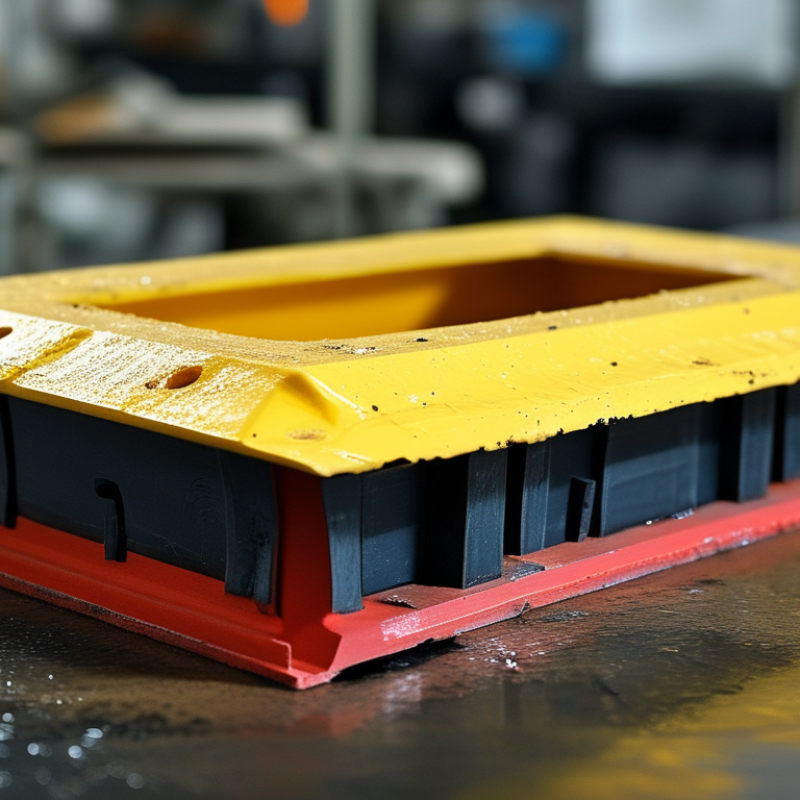
10 Tips to Prevent Overmolding Parts from Peeling Off?

Understanding Overmolding and Its Challenges

Overmolding is a popular technique in manufacturing, combining different materials to create a single part. However, peeling is a significant challenge. Reports indicate that up to 30% of overmolded parts fail due to adhesion issues. Understanding the causes of these failures can lead to better solutions.

One common issue is improper material selection. Materials must have compatible adhesion properties. For example, thermoplastic elastomers (TPE) often bond well with polycarbonate. Yet, choosing the wrong combination can lead to peeling. Additionally, the temperature during the molding process affects adhesion. Data shows that a 10-degree Celsius variation can result in a 20% increase in failure rates.

Another factor is the importance of surface preparation. Cleaning and treating surfaces can enhance the bond. Ineffective treatments often lead to weak adhesion. Various chemical treatments can be applied to enhance surface energy. Yet, some manufacturers overlook this step, leading to costly errors. Inconsistent processes can also contribute to variability in bond strength, causing further challenges. Being aware of these factors can help in designing more reliable overmolded parts.

Common Causes of Overmolding Parts Peeling Off

Overmolding is a popular technique in manufacturing, providing enhanced durability and aesthetics. However, parts can lose adhesion, leading to peeling. Understanding common causes is key to addressing this issue effectively.

One major reason for overmolding failures is improper surface preparation. If the substrate isn't cleaned well, contaminates can prevent bonding. This issue can manifest in tiny bubbles or gaps unnoticed at first glance. Material compatibility also plays a significant role. Using dissimilar materials may create stress points where peeling initiates. It's crucial to test the combination of substrates and overmolding materials for their chemical and thermal properties before production.

Temperature variations during the molding process can contribute to peeling. If the temperature fluctuates, it may lead to inconsistent material flow. Moreover, inadequate curing time can cause the outer layer to separate. An analysis of the entire process is essential. Even minor deviations can affect the final product. Regular inspections are necessary, yet they often get overlooked. A proactive approach can help identify these issues early.

Effective Surface Preparation Techniques for Better Adhesion

Effective surface preparation is vital for ensuring strong adhesion in overmolding processes. Properly preparing the substrate can significantly reduce the chances of peeling. Start by thoroughly cleaning the surface. Use solvents to remove oils and contaminants. This step may seem simple, yet it is often neglected.

Next, roughening the surface can enhance adhesion. Sandblasting or using coarse sandpaper can provide a better grip for the molding material. It creates micro-abrasions that increase the surface area. However, be cautious—overdoing it might compromise the structural integrity.

Another technique involves applying a primer. Primers are specially formulated to bond with both the substrate and the overmolding material. Applying it in multiple thin layers is advisable rather than one thick coat. This allows even distribution and enhances the final bond. Reflect on your methods; even small inconsistencies can lead to peeling over time. Pay attention to curing times as well, as improper curing can weaken the bond further.

Proper surface preparation is critical to avoiding costly mistakes in production and ensuring a durable final product.

Choosing the Right Materials for Overmolding Success

Choosing the right materials for overmolding is crucial for successful production. According to a report by the Society of Plastics Engineers, improper material selection can lead to a 25% failure rate in overmolding applications. This statistic emphasizes the necessity of understanding the properties of both substrates and overmolding materials.

When selecting materials, compatibility is key. For instance, thermoplastics like TPE and TPU often bond well with rigid thermoplastics. However, if the materials don't share similar coefficients of thermal expansion, peeling may occur. Proper adhesion is critical, as data shows that inadequate bonding leads to a 40% increase in part failures during environmental testing.

In addition, considering the environmental factors that parts face is essential. Humidity, temperature, and chemical exposure can all impact material performance. A study from the Polymer Science Journal found that 45% of overmolded parts failed due to environmental stress cracking. This highlights the importance of choosing materials that withstand specific conditions. Even with the best choices, engineers often encounter issues such as inconsistent quality and processing challenges. This reality invites a continual reassessment of material choices to enhance overmolding success.

Advancements in Overmolding Technology to Enhance Durability

Overmolding technology has significantly advanced, improving the durability of molded parts. New materials have emerged, offering better adhesion between layers. These innovations help prevent peeling, a common issue in traditional overmolding processes. Engineers can now choose more compatible materials, enhancing the bond strength.

The use of simulation software in design stages has also transformed the landscape. Designers can predict and resolve potential failures before production begins. However, despite these advancements, challenges remain. Some materials still do not bond as expected, leading to unexpected delamination. Continuous learning from these failures is essential for future success. Adapting to new techniques and staying updated on material science can bridge these gaps.

Testing and feedback loops are crucial. By systematically evaluating molded parts, manufacturers can identify weaknesses. These insights drive further innovation and development. The journey to flawless overmolding is ongoing, filled with learning opportunities. Each iteration brings us closer to achieving the desired durability and performance.

10 Tips to Prevent Overmolding Parts from Peeling Off

Tip No. Tips Description Expected Outcome
1 Choose the Right Material Select a substrate material that bonds well with the overmolding material. Improved adhesion and reduced peeling.
2 Optimize Surface Preparation Ensure surfaces are clean and free of contaminants before molding. Enhanced bonding and minimized risk of defects.
3 Control Molding Parameters Adjust temperature, pressure, and cycle time for optimal results. Consistent quality and reduced peeling.
4 Use Adhesion Promoters Apply chemical adhesion promoters to enhance bonding. Stronger bonds leading to durability.
5 Conduct Stress Testing Evaluate the parts under simulated stress conditions. Identify potential failure points early.
6 Implement Quality Control Put in place rigorous inspection processes. Early detection of defects, reducing waste.
7 Select the Right Overmolding Technique Choose techniques like co-injection or insert molding as needed. Improved performance and adaptability.
8 Optimize Cooling Times Ensure proper cooling to prevent warping. Better part integrity and assembly fit.
9 Consider Environmental Factors Ensure conditions are suitable for molding and curing. Increased reliability and performance.
10 Train Staff on Best Practices Educate all personnel on proper handling and production techniques. Reduction in human error and improved outcomes.

FAQS

: What is overmolding?

: Overmolding is a manufacturing technique that combines different materials into a single part.

What is a common challenge in overmolding?

Peeling is a significant challenge, with up to 30% of parts failing due to adhesion issues.

How does material selection affect overmolding?

Choosing compatible materials is crucial; incorrect selection can lead to peeling and adhesion problems.

Does temperature impact overmolding success?

Yes, a 10-degree Celsius change can increase failure rates by 20%, affecting adhesion quality.

Why is surface preparation important?

Proper cleaning and treatment enhance bond strength; overlooking this step can lead to weak adhesion.

What role does simulation software play in overmolding?

It helps designers predict and resolve potential failures before production, enhancing overall reliability.

What can be learned from overmolding failures?

Continuous learning from failures is essential; it drives innovations and improves future production processes.

How does testing contribute to overmolding?

Systematic evaluations help identify weaknesses; insights gathered guide further innovations and enhancements.

Are there still challenges in overmolding technology?

Yes, some materials may still delaminate unexpectedly, despite advancements in the field.

Is achieving flawless overmolding easy?

No, it involves ongoing learning and adaptation; each iteration reveals new opportunities for improvement.

Conclusion

Overmolding is a popular manufacturing technique that involves combining two or more materials in a single part, but many face challenges, particularly when it comes to the peeling off of the molded layers. Understanding why do overmolding parts peel off can help manufacturers address these issues effectively. Common causes include improper surface preparation and incompatible material choices which hinder adhesion.

To prevent these problems, effective surface preparation techniques, such as cleaning and texturing, should be employed to enhance bond strength. Additionally, selecting the right materials is crucial for achieving the desired durability and performance. With advancements in overmolding technology, manufacturers can further enhance the longevity of their products, ensuring that the overmolding process results in a reliable and robust end product.

Liam

Liam

Liam is a dedicated marketing professional with a profound expertise in the industry, where he excels at highlighting the unique advantages of our core products. With a keen understanding of market trends and consumer needs, Liam frequently updates our company’s professional blog, providing......