In the competitive field of thin wall food packaging, understanding how to prevent warping in thin wall food packaging molds is crucial. Renowned expert Dr. Emily Thompson, a leading specialist in packaging engineering, asserts, “Proper design and material selection are vital to avoid warping.” Her insights underscore the significance of precise molding techniques in achieving consistent quality.
Warping can lead to significant production losses and reduced product quality. Even minor deviations in temperatures during the molding process can cause troublesome deformations. These issues may often arise from factors like uneven cooling or poor mold design. By actively exploring preventative measures, manufacturers can enhance their products and minimize waste, showcasing their commitment to excellence.
Maintaining industry standards requires a focus on material properties and environmental conditions. Each detail matters, from mold temperature to material flow rates. A thoughtful approach not only curbs issues but also fosters innovation. To truly excel, it is essential to balance practical experience with continuous learning in the ever-evolving packaging sector.
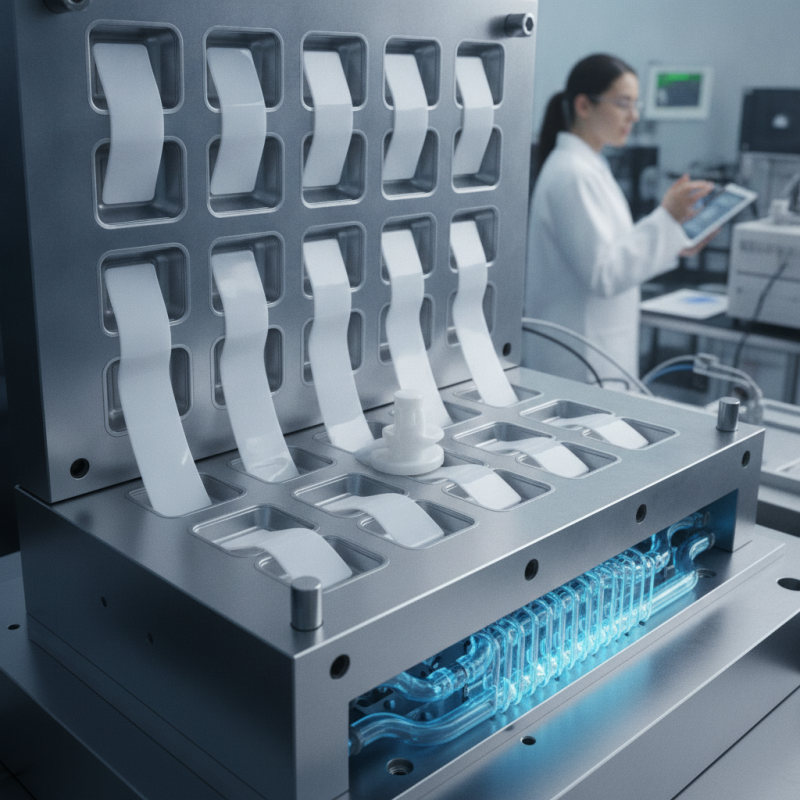
Warping in thin wall food packaging molds can be a significant issue. Proper understanding is crucial for manufacturers aiming for efficiency and quality. A study by the American Injection Molding Institute found that warping can lead to an increase in production costs by over 20%. This highlights the need for effective management of mold design and production processes.
When designing molds, it’s important to ensure uniform wall thickness. Thin areas are prone to warping due to uneven cooling. A controlled cooling rate is essential. This allows the material to solidify evenly. Additionally, consider using advanced materials that withstand greater thermal stress. Such choices can drastically reduce the chance of deformation.
Regular maintenance of molds also plays a key role. Inspect mold surfaces for wear, as damaged areas can lead to inconsistencies. Implementing a robust heating and cooling strategy can mitigate risks too. Ensure even distribution of temperature to avoid hotspots. These small adjustments can lead to significant improvements in product quality.
When selecting materials for thin wall food packaging molds, the choice significantly impacts performance and the risk of warping. Using high-quality, rigid polymers can help maintain the shape during the cooling process. Polypropylene (PP) is a common choice due to its excellent balance of flexibility and strength. It withstands the demands of food packaging while maintaining a low shrinkage rate.
Proper cooling strategies are vital. Inadequate cooling can lead to uneven solidification and warping. Always design your cooling channels efficiently. Another tip is to ensure uniform wall thickness. Thin walls are susceptible to thermal fluctuations, which may cause distortion. Monitor the molding temperatures closely to minimize these issues.
Equipment setup also plays a crucial role. Use precise gauges to measure temperatures and pressures during the molding process. It’s a common oversight to underestimate the impact of small variations. By prioritizing these details, manufacturers can reduce the chances of warping. Reliable mold performance begins with careful material selection and attention to every aspect of the molding process.
Designing thin wall food packaging molds requires careful consideration to prevent warping. Warping can compromise the functionality and appearance of the packaging. According to industry reports, warping is often caused by uneven cooling during the molding process, which leads to differential shrinkage in the material. A study by the Society of Plastics Engineers shows that improper cooling rates can increase the probability of warping by up to 40%.
To minimize warping, mold designers should focus on uniform wall thickness. A thickness variation of more than 10% can lead to significant stresses during cooling. Additionally, incorporating features such as cooling channels or optimizing the flow of the material can help maintain a consistent temperature across the mold. Proper material selection is also crucial, as some polymers are more prone to warping than others. Ensuring that the chosen material has a lower thermal expansion coefficient can make a substantial difference.
Despite these strategies, challenges remain. The balance between weight reduction and structural integrity is difficult to achieve. Designers often grapple with trade-offs that may inadvertently introduce the very warping they seek to avoid. Continuous monitoring and adjustment of the mold design, as indicated in various professional studies, are essential for achieving optimal results in food packaging applications.
| Tip Number | Tip Description | Expected Outcome |
|---|---|---|
| 1 | Use uniform wall thickness | Reduces internal stresses during cooling |
| 2 | Optimize cooling channels | Ensures even cooling, minimizing warping |
| 3 | Select appropriate materials | Enhances thermal stability and reduces warping |
| 4 | Control injection speed | Prevents formation of air pockets and warps |
| 5 | Implement a gate design review | Improves material flow and minimizes defects |
| 6 | Use venting techniques | Reduces trapped air and associated warping |
| 7 | Limit cycle times | Enhances cooling effectiveness, reducing warping |
| 8 | Perform regular mold maintenance | Maintains precision and prevents defects |
| 9 | Monitor ambient conditions | Ensures consistent temperatures for molding |
| 10 | Utilize simulation software | Predicts potential warping and optimizes processes |
Temperature control is critical during the molding process of thin wall food packaging molds. Keeping consistent temperatures can significantly reduce warping. Heat can cause materials to expand, leading to deformation as they cool. So, utilizing advanced temperature monitoring tools helps ensure even heat distribution.
Another aspect to consider is cooling time. Short cooling times can lead to internal stress, resulting in warping. It’s important to find the right balance. Experimenting with varying cooling times can yield different results. Remember, not every mold will respond the same way; adjustments may be necessary.
Additionally, consider the temperature of both the mold and the injected material. A hot mold can lead to material sticking. If that happens, it could compromise mold integrity. Reflecting on these variables can lead to improvements. A meticulous approach to temperature control can help avoid warping issues effectively.
Regular maintenance of molds is crucial for preventing warping in thin wall food packaging. A study by the International Journal of Advanced Manufacturing Technology highlights that up to 30% of mold-related defects can be attributed to inadequate maintenance. Regular cleaning helps remove debris and residue that can affect mold integrity. Keeping molds well-lubricated is essential to minimize friction and heat, which are significant contributors to deformation.
Additionally, performing routine inspections allows for early detection of wear and tear. According to a report by the Society of Plastics Engineers, 55% of molds suffer from unseen damage, which can lead to larger issues over time. Ensuring that temperature controls work effectively is vital, as even slight fluctuations can cause warping. Simple measures, such as monitoring cooling channels and maintaining consistent temperature settings, can significantly enhance mold longevity.
However, it's not always easy to implement these practices. Staff training may be lacking, resulting in unreliable maintenance schedules. Moreover, financial constraints can hinder investment in optimal equipment. A direct focus on upkeep, alongside addressing these challenges, is essential for improving mold performance in food packaging production.
: Warping is a deformation issue that affects the shape and functionality of packaging molds.
Uniform wall thickness prevents uneven cooling, reducing the likelihood of warping during the molding process.
Choosing materials with lower thermal expansion coefficients can significantly decrease the chances of warping.
Consistent temperature control is crucial; uneven heat can lead to material expansion and subsequent deformation.
Implementing cooling channels and optimizing material flow enhances temperature consistency to minimize warping.
Inspecting for wear and damage is vital, as it helps maintain mold integrity and product quality.
Short cooling can create internal stresses, which are often a direct cause of warping in the final product.
Balancing weight reduction and structural integrity can inadvertently introduce warping.
Hotspots can cause uneven cooling, which contributes to warping and defects in the packaging.
Continuous monitoring and adjustments are essential for improving mold performance and reducing warping risks.
Warping in thin wall food packaging molds can significantly impact product quality and manufacturing efficiency. To address this issue, it is crucial to understand the causes of warping, which often stem from material properties and design flaws. Selecting the right materials is a fundamental step in how to prevent warping in thin wall food packaging molds, as the choice can enhance mold stability and performance.
Design considerations also play a vital role; employing techniques that distribute material evenly and incorporating features to accommodate thermal expansion can minimize warping. Additionally, effective temperature control throughout the molding process is essential to ensure uniform cooling and solidification. Regular maintenance practices, such as inspecting and repairing molds, can further reduce the risk of deformation. By following these strategies, manufacturers can effectively mitigate warping and maintain high-quality production of thin wall food packaging.

Ohio Machine