How to Reduce Cooling Time in Automotive Injection Molding?

Time:2026-06-22 Author:Mason
0%

In the competitive world of automotive manufacturing, optimizing production processes is essential. One key area to focus on is cooling time in injection molding. Experts like Dr. Emily Johnson, a leading authority in polymer processing, state, “Reducing cooling time not only increases efficiency but also improves product quality.” Understanding how to optimize cooling time in automotive injection molding can greatly impact both productivity and sustainability.

Cooling time directly affects cycle time in injection molding. Shorter cooling times can lead to faster production rates. However, this must be balanced against the risk of part defects. It's crucial to analyze the mold design, material properties, and cooling system efficiency. Small changes in these areas can yield significant improvements. Many companies struggle with cooling time optimization. They often overlook the importance of iterative testing and process adjustments. Continuous improvement is vital.

Finding the right approach to optimize cooling time in automotive injection molding requires experimentation. It's not just about speeding up processes but also ensuring quality. The journey may include unexpected challenges, but with expert insights, better solutions can emerge. Embracing innovation in cooling strategies can lead to noteworthy benefits in the automotive industry.
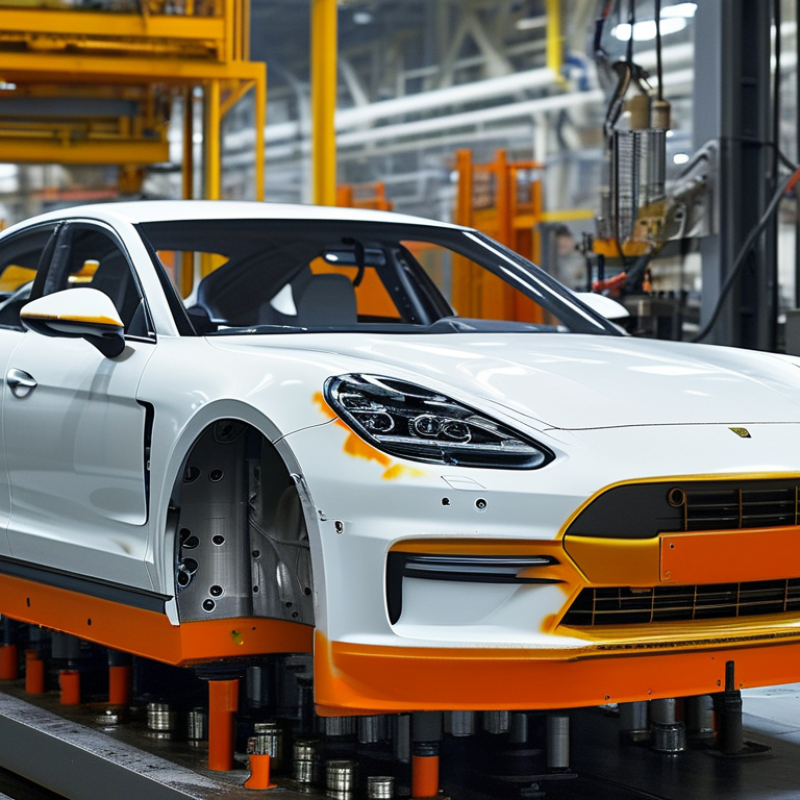
How to Reduce Cooling Time in Automotive Injection Molding?

Understanding Cooling Time in Automotive Injection Molding

Cooling time in automotive injection molding is a critical factor affecting production efficiency. The cooling phase accounts for 60% or more of the cycle time in this process. According to industry reports, optimizing this phase can drastically shorten overall cycle times. Adjusting cooling channel design and utilizing advanced cooling techniques can enhance heat transfer, leading to faster solidification of the material.

Understanding the factors influencing cooling time is essential. Temperature control and flow of cooling fluids play a vital role. Researchers indicate that using conformal cooling channels can improve cooling efficiency by up to 30%. However, achieving the ideal cooling configuration is often challenging. Engineers must balance between cooling efficiency and the complexity of mold design.

Another important aspect is the material used. Some polymers cool faster than others. Data from recent studies suggest that using materials with lower thermal conductivity can inadvertently increase cooling time. This highlights the importance of selecting the right material based on application requirements. While advancements in technology provide solutions, engineers often face trials and errors in optimizing cooling strategies. The evolving landscape of automotive manufacturing urges continuous improvement in cooling methodologies.

Cooling Time in Automotive Injection Molding

Factors Influencing Cooling Time in Injection Molding

Cooling time is a critical factor in automotive injection molding. It directly impacts productivity and the final quality of molded parts. Several elements influence this cooling phase. One significant factor is the part thickness. Thicker parts typically require longer cooling times. Understanding the balance between thickness and cooling is essential for efficient production.

Another aspect to consider is the mold design. Molds with optimized cooling channels significantly reduce cooling time. Well-placed channels facilitate better heat transfer, making the entire process smoother. However, not every mold design achieves this efficiency. It's essential to continually assess and adjust mold configurations to ensure optimal cooling and minimize delays.

Temperature control during the injection process also plays a vital role. The initial melt temperature influences cooling rates. If the material is too hot, it takes longer to cool. Conversely, cool materials can lead to defects. Hence, finding the right melt temperature is crucial for quick and effective cooling. This balancing act is often overlooked, leading to inefficiencies.

Strategies for Reducing Cooling Time Effectively

Reducing cooling time in automotive injection molding is crucial. Efficient cooling influences production speed and part quality. Several strategies can help industry professionals optimize this process.

One effective method is to enhance the cooling channel design. Utilize conformal cooling systems that closely follow the mold shape. This ensures more uniform cooling of the part. Consider the material flow dynamics when designing these channels. Poor channel placement can lead to uneven cooling and defects.

Another tip is to choose the right cooling medium. Water is commonly used, but alternatives like oils or special coolants may provide better thermal conductivity. Monitor the temperature of the cooling medium regularly. Fluctuations can affect cooling time and overall efficiency.

Experiment with cycle times cautiously. Reducing cooling time too much can lead to warping. Balancing speed and quality is essential. Regularly review cycle data to identify trends. Continuous improvement comes from learning from these insights.

Technological Innovations for Enhanced Cooling Efficiency

In automotive injection molding, cooling time is crucial for efficiency. Innovations in technology can significantly enhance cooling processes. One effective method is the use of conformal cooling channels. These channels, designed to closely follow the contours of the mold, can improve heat transfer rates. This allows for a more uniform cooling process, reducing overall cycle time.

Tip: Explore the benefits of 3D printing for mold design. It enables complex shapes that traditional methods cannot achieve. Ensure your designs are optimized for heat flow, as this can create bottlenecks in cooling.

Advanced cooling techniques like heat pipes or thermoelectric devices offer another layer of efficiency. By actively managing temperature, these systems can shorten cooling periods. However, installation might require more upfront investment and may lead to maintenance challenges in the long run.

Tip: Keep a close eye on your cooling system's performance. Regular monitoring can reveal areas needing improvement. Don't hesitate to iterate on your designs based on the data collected. Continuous refinement often yields the best results. Finding the right balance between innovation and practicality is essential in achieving optimal cooling efficiency.

Evaluating the Impact of Cooling Time on Product Quality and Cost

In automotive injection molding, cooling time significantly impacts both product quality and production costs. Research shows that cooling accounts for up to 70% of the total cycle time. Longer cooling times can lead to higher operational expenses. These expenses arise from increased energy consumption and machine idle times, ultimately affecting profitability.

The relationship between cooling time and product quality is complex. Insufficient cooling can result in warping and dimensional inaccuracies. A study conducted by the Society of Plastics Engineers highlights that even a 10% reduction in cooling time can improve output quality by reducing defects. However, optimizing cooling time is challenging. It requires careful control of cooling rates and mold design—a reflection of the precision needed in the industry.

Focusing solely on reducing cooling time may also lead to unintended consequences. For instance, a reduction might cause stress in the molded part, affecting overall durability. Companies must reflect on these trade-offs. Balancing cooling time reduction with maintaining product integrity is essential. This iterative process demands expertise and consistent evaluation of production parameters.

How to Reduce Cooling Time in Automotive Injection Molding? - Evaluating the Impact of Cooling Time on Product Quality and Cost

Parameter Impact on Quality Impact on Cost Cooling Time (sec)
Cooling Channel Design Improves heat dissipation, reduces warping Higher initial setup cost, but long-term savings 30
Material Selection Affects flow properties and final product strength May increase raw material costs 28
Mold Temperature Control Ensures uniform cooling, reduces defects Decrease in cycle times offsets energy costs 25
Cooling Time Optimization Improves overall efficiency, less scrap Reduces labor costs due to faster cycle 20
Cycle Time Reduction Techniques Minimizes thermal stress in parts Initial investment for technology 22

FAQS

: How does part thickness affect cooling time in injection molding?

: Thicker parts generally require longer cooling times, impacting production efficiency and quality.

What role does mold design play in cooling efficiency?

Optimized mold designs with well-placed cooling channels can significantly reduce cooling time.

Why is temperature control important during injection?

The initial melt temperature affects cooling rates. Hot materials extend cooling, while too cool can cause defects.

How can cooling channel design be improved?

Utilizing conformal cooling systems helps achieve uniform cooling across the part, reducing cooling time effectively.

What cooling mediums can enhance efficiency?

Water is common, but oils or special coolants may provide better thermal conductivity for cooling.

What risks come from reducing cooling time too much?

Excessive cooling time reduction can cause warping or stress, affecting part quality and durability.

How do cooling times impact production costs?

Longer cooling times can lead to higher energy consumption and increased operational expenses, affecting profitability.

What should companies consider when reducing cooling time?

Companies must balance cooling time reduction with maintaining product integrity to avoid unintended consequences.

How often should production parameters be reviewed?

Regular reviews of cycle data are essential for continuous improvement and minimizing defects in production.

What does the relationship between cooling time and quality entail?

Insufficient cooling can lead to warping, while even a slight reduction in cooling time can enhance output quality.

Conclusion

Reducing cooling time in automotive injection molding is essential for enhancing production efficiency and product quality. Understanding the dynamics of cooling time, including the factors that influence it, is crucial for manufacturers. Effective strategies involve optimizing mold design, adjusting cooling channel layouts, and utilizing advanced materials that facilitate faster heat dissipation. Innovations in technology, such as the development of conformal cooling systems and enhanced thermal conductivity materials, are also pivotal in achieving better cooling efficiency.

To evaluate how to optimize cooling time in automotive injection molding effectively, manufacturers must consider the impact of cooling time on both product quality and production costs. A careful balance between rapid cooling and maintaining dimensional accuracy is vital to ensure that the final products meet industry standards while reducing cycle times, ultimately leading to cost savings and increased competitiveness in the market.

Mason

Mason

Mason is a seasoned marketing professional with a deep expertise in the company's offerings and a passion for driving brand awareness. With a strong background in digital marketing strategies, he has an innate ability to connect with diverse audiences and effectively communicate product benefits.......