Top 10 Ways to Reduce Flash in Plastic Injection Molding?

Time:2026-06-02 Author:Madeline
0%

In the competitive realm of plastic injection molding, minimizing defects is crucial. One prevalent issue is flash, which can compromise product quality and aesthetics. Understanding how to reduce flash in plastic injection molding is essential for manufacturers aiming for optimal results.

Flash occurs when molten plastic escapes the mold cavity during injection. This can happen for various reasons, such as improper clamping force or material issues. Addressing these factors is vital for efficiency and precision. By examining specific methods to prevent flash, manufacturers can improve their processes significantly.

Controlling variables such as temperature and pressure plays a key role in reducing flash. It's important to remain vigilant and refine your techniques. Many experienced professionals acknowledge that small adjustments can lead to significant improvements. This continuous pursuit of excellence is what drives the industry forward, although not all attempts may yield successful outcomes. Embracing a mindset of reflection and learning is necessary for lasting success.
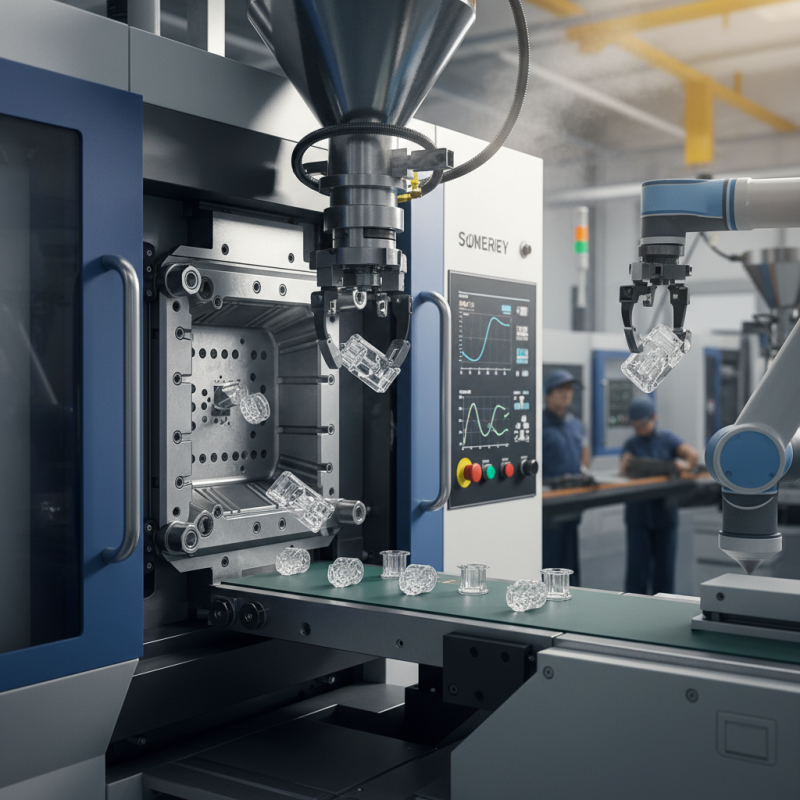
Top 10 Ways to Reduce Flash in Plastic Injection Molding?

Understanding Flash in Plastic Injection Molding

Flash is a common issue in plastic injection molding that can affect the final product's quality. It refers to excess material that flows outside the mold’s intended cavity. This defect can lead to costly rework and dissatisfaction among customers. To truly understand flash, it's essential to explore its causes, such as improper clamping force and insufficient cooling. Addressing these factors can help enhance production efficiency.

Reducing flash involves careful attention to mold design and maintenance. Worn or misaligned molds are often culprits. Regular inspections can reveal potential issues early on. Additionally, optimizing injection speed and pressure is crucial to control material flow. Adjusting these parameters helps maintain the desired dimensions of the final product. Experimentation and testing different settings often result in improved outcomes. Embracing a proactive approach also includes training operators to recognize signs of flash effectively.

It's important to acknowledge that even with the best strategies, flash may still occur. Continuous reflection and adjustments are necessary. Regular feedback loops from production can provide insights into persistent issues. Engaging with experienced professionals in the field can offer valuable guidance. Collaboration and open communication within teams lead to continual improvement in reducing flash.

Top 10 Ways to Reduce Flash in Plastic Injection Molding

Method Description Effectiveness Cost
Adjust Mold Design Modify the mold to allow better material flow and minimize trapped air. High Moderate
Optimize Injection Speed Adjust the injection speed to reduce turbulence and flash. Medium Low
Control Cooling Rates Ensure uniform cooling to prevent stress and warping in the mold. High Medium
Increase Clamping Force Use higher clamping force to ensure that the mold remains shut during injection. High High
Use Proper Venting Add vents in the mold to allow air escape, preventing flash. Medium Low
Select Suitable Materials Choose materials with appropriate viscosity for the application. High Low
Monitor Temperature Keep proper temperature settings for both mold and melt. Medium Medium
Regular Maintenance Perform regular maintenance on molds to ensure proper function. High Medium
Adjust Injection Pressure Optimize pressure settings to minimize flash without causing defects. Medium Low
Review Cycle Time Analyze and optimize cycle time to reduce flash occurrence. Medium Medium

Common Causes of Flash Formation in Injection Molding

Flash formation in plastic injection molding is a challenging issue that affects product quality. This problem can be attributed to multiple factors. One significant cause is improper mold alignment. Even a slight misalignment can lead to excess material leaking from the mold cavity, resulting in unwanted flash.

Another common reason for flash is high injection pressure. When the pressure exceeds the mold's capability, it can force materials out of the intended areas. A study published by the Society of Plastics Engineers states that 25% of flash issues stem from inadequate pressure control. Controlling the injection speed can also minimize the chances of flash. Slow injection rates allow the material to fill the mold more evenly, reducing the risks of defects.

Temperature variations play a crucial role as well. If the temperature is too high, the molten plastic can become overly fluid, increasing the risk of flash. Conversely, low temperatures can cause incomplete filling, leading to gaps and inconsistencies. Addressing these parameters requires careful monitoring and adjustments based on real-time data during production. An iterative approach can help manufacturers identify recurring deficiencies, but achieving consistent results remains an ongoing challenge.

Techniques to Optimize Mold Design and Reduce Flash

Flash in plastic injection molding can significantly impact product quality. It arises when molten plastic escapes the mold cavity during filling. Optimizing mold design is crucial to addressing this issue.

One effective approach is adjusting the mold’s parting line. A well-placed parting line can minimize excess material from escaping. Traditionally, industry reports suggest that a 1 mm shift can reduce flash occurrence by up to 30%. Another technique involves fine-tuning the mold temperature. High mold temperatures can cause excessive flow, increasing flash. Studies indicate that maintaining optimal temperatures can lead to a 15% reduction in flash-related defects.

Incorporating venting systems is also vital. Proper venting allows trapped air to escape, preventing flash. Interestingly, a recent survey revealed that improper venting contributed to 40% of flash issues in various manufacturers. Finally, regular mold inspection and maintenance can identify wear that leads to flash. Many professionals overlook this, yet it can enhance production quality significantly. An agile approach to mold design can pave the way for improved injection molding practices.

Adjusting Injection Parameters to Minimize Flash

Adjusting injection parameters is crucial to minimizing flash in plastic injection molding. Flash occurs when molten plastic seeps into unwanted areas of the mold. This often leads to more trimming and higher production costs. One effective way to reduce flash is by optimizing the injection speed. A faster injection can create pressure that forces the material away from the seam lines, reducing flash potential. However, if the speed is too high, it can lead to defects.

Another important factor is temperature control. High mold temperatures can lead to material expansion, which increases the likelihood of flash. Conversely, too low a temperature can cause poor flow. Finding the right balance is key. Additionally, adjusting the hold pressure can help. Too low a hold pressure can allow material to flow back into the area, while too high a pressure might cause other issues. Monitoring these parameters diligently is essential but challenging, as each material may require unique settings. Regular evaluations and adjustments can lead to better results over time.

Post-Processing Solutions for Flash Removal in Molding Products

In the realm of plastic injection molding, flash is an ongoing challenge. The phenomenon occurs when molten plastic escapes the mold during compression, leading to excess material at the parting line. This flaw can impact the visual appeal and functionality of molded products. Reports indicate that up to 30% of production time can be consumed by dealing with flash issues. The need for effective post-processing solutions has never been greater.

Effective strategies for flash removal include manual trimming and automated cutting. Manual trimming, while precise, can be labor-intensive and time-consuming. Automation technology has advanced significantly, offering faster and more consistent results. A study by industry analysts shows that automated systems can reduce flash processing time by up to 50%. However, investment in new machinery may not always be feasible for all companies, and retraining staff can pose challenges.

Other methods such as solvent wiping and heat treatment also yield positive results. Solvent wiping is quick but may not remove every imperfection. Heat treatment can soften the excess material, allowing for easier removal but runs the risk of altering the part’s properties. Companies must weigh the effectiveness against potential downsides. There is no one-size-fits-all solution in flash removal, thus emphasizing the need for continuous evaluation and adaptation in post-processing practices.

Top 10 Ways to Reduce Flash in Plastic Injection Molding

FAQS

: What causes flash in injection molding?

: Flash occurs due to improper mold alignment, high injection pressure, and temperature variations.

How does mold alignment affect flash formation?

Even slight misalignment can cause material to leak from the mold, creating unwanted flash.

What role does injection pressure play in flash issues?

Excessive injection pressure can force materials into unintended areas, leading to flash.

How can injection speed minimize flash?

Optimizing injection speed allows for a more even fill and reduces the risk of defects.

Why is temperature control important in injection molding?

High temperatures can cause excessive fluidity, while low temperatures may lead to incomplete filling.

What is the impact of hold pressure on flash?

Low hold pressure may let material flow back, whereas high hold pressure can create different issues.

How often should adjustment evaluations occur?

Regular evaluations are crucial, but finding the right settings can be challenging and requires diligence.

Can using too high a speed create problems?

Yes, if injection speed is too high, it can lead to defects despite reducing flash potential.

Is it easy to achieve consistent results in injection molding?

No, achieving consistency is challenging and often requires ongoing adjustments and monitoring.

Do all materials require the same injection settings?

No, each material may have unique requirements, making customization essential for optimal results.

Conclusion

In the realm of plastic injection molding, understanding how to reduce flash is crucial for enhancing product quality and efficiency. Flash is often a result of improper mold design, material behavior, or injection process parameters. Common causes include insufficient clamping force, poor mold alignment, and excessive material temperature. To mitigate these issues, optimizing mold design by ensuring precise fit and using appropriate materials can be effective. Additionally, adjusting injection parameters such as speed, pressure, and cooling time plays a significant role in minimizing flash formation.

Beyond the design and injection process, post-processing solutions can also help eliminate any residual flash, ensuring a smoother final product. Techniques such as trimming or sanding can be applied to remove flash after molding. By implementing these strategies, manufacturers can significantly improve production quality and reduce waste, ultimately leading to better operational efficiency in plastic injection molding.

Madeline

Madeline

Madeline is a dedicated marketing professional with a wealth of expertise in our company's core offerings. With a keen understanding of the industry, she brings a unique perspective to her role, consistently delivering high-quality content that highlights the superior aspects of our products. As......