Transitioning from prototype to mass molding is a critical phase for manufacturers. Understanding how to scale production from prototype to mass molding requires both careful planning and execution. Various challenges surface during this journey, including resource allocation, quality control, and technology integration.
Achieving efficiency in production demands a clear strategy. Each step must be analyzed for potential pitfalls. For instance, common issues like supply chain delays can disrupt timelines. Addressing these obstacles early is essential to maintain momentum.
In this guide, we will explore effective methods and real-world examples. We acknowledge that not all approaches will work universally. Reflecting on past experiences allows companies to adapt and refine their processes. By sharing insights, we aim to foster a better understanding of scalable production in 2026.
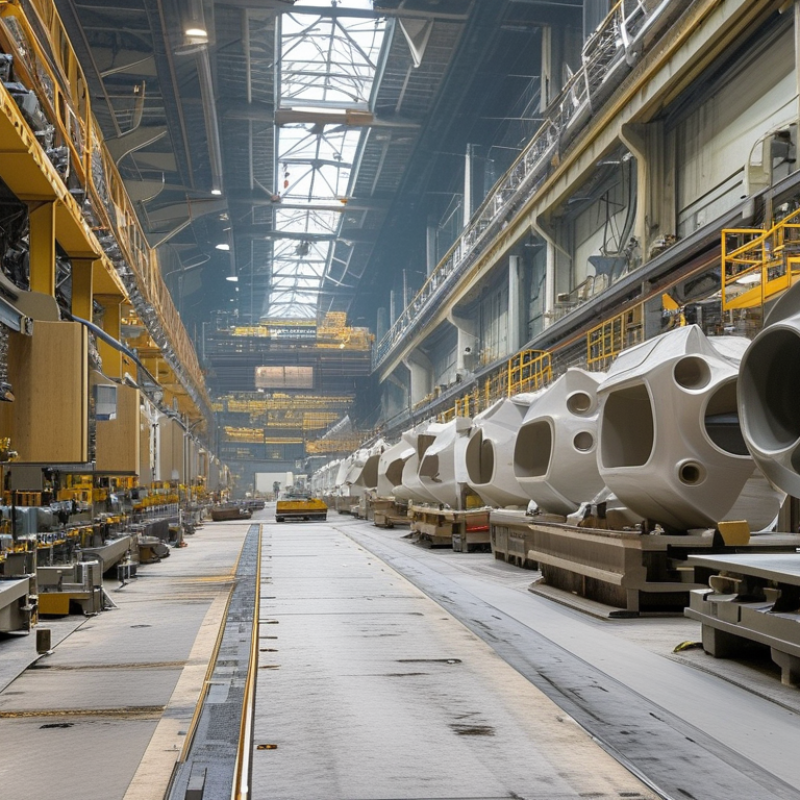
Scaling production from prototype to mass molding requires a clear understanding of the changes involved. When dealing with prototypes, the focus is on innovation and flexibility. Prototyping allows designers to test concepts and make adjustments. This phase often involves small batches with high experimentation. However, the shift to mass molding introduces complexity. Production needs to be efficient and consistent, which can clash with the creative approach of prototyping.
One crucial element is the adjustment of materials. Prototypes may use different materials that are not viable for mass production. Planning must include sourcing materials that are cost-effective and meet production demands. Moreover, the design must be refined to accommodate mass production techniques. Adjustments in design can sometimes lead to challenges. Manufacturers might discover that certain features are too complicated or expensive to replicate on a larger scale.
Quality control also becomes paramount during this transition. Monitoring processes ensures that the final product meets the required standards. At this stage, manufacturers often encounter unexpected issues. There might be defects that were not apparent during the prototype phase. Continuous feedback loops and adaptations become essential for successful scaling. Producing at scale tests both the product and the team behind it. Each challenge presents an opportunity for improvement, but it requires vigilance and adaptability.
| Stage | Duration (Months) | Key Activities | Challenges | Estimated Cost (USD) |
|---|---|---|---|---|
| Prototype Development | 6 | Design iterations, user testing | Material selection, design flaws | $15,000 |
| Tooling & Mold Design | 4 | Mold design, CAD simulations | Precision requirements, cost overruns | $50,000 |
| Pilot Production | 3 | Batch production, quality testing | Quality control, production delays | $30,000 |
| Mass Production Setup | 5 | Full-scale manufacturing, supply chain setup | Supply chain logistics, scaling issues | $100,000 |
| Launch Phase | 2 | Market entry, promotional activities | Market competition, consumer acceptance | $20,000 |
: Prototypes prioritize innovation and flexibility. They facilitate testing concepts and allow for adjustments based on feedback.
The shift introduces complexity, requiring efficiency and consistency, which can conflict with the creative aspect of prototyping.
Prototypes use varied materials that may not work for mass production, necessitating cost-effective sourcing for larger volumes.
Quality control is vital; unexpected defects may emerge, making monitoring processes essential to meet established standards.
Efficiency boosts production, often through automation. However, machinery costs must be balanced with skilled labor for best results.
Companies should adopt recycling methods and biodegradable materials to minimize their environmental footprint during mass production.
High investment costs and lack of training for staff on sustainability can create significant challenges for companies.
Sharing best practices among companies helps bridge knowledge gaps, enhancing overall sustainability and reducing environmental impacts.
Training builds expertise, ensuring products meet consumer expectations and maintain quality throughout the production cycle.
Initial investments are often high, and many companies neglect raw material and labor costs when budgeting for mass production.
The article "How to Scale Production from Prototype to Mass Molding in 2026" delves into the essential strategies and insights necessary for companies looking to expand their manufacturing capabilities. It highlights the critical factors involved in transitioning to mass production, including cost management, efficiency optimization, and maintaining high quality standards. Furthermore, it provides a thorough analysis of current market trends that influence scalable molding solutions, ensuring businesses remain competitive.
Technological innovations are examined, showcasing how advancements can enhance production capabilities in 2026, while sustainability strategies are also discussed to address the environmental impacts of mass molding processes. Ultimately, this comprehensive guide elucidates how to scale production from prototype to mass molding effectively, aligning with industry advancements and sustainability goals.

 Ohio Machine