Selecting the right gating system is crucial for achieving optimal results in mold design. According to Dr. John Taylor, a renowned expert in molding technology, "The right gating system can make or break the integrity of your final product." This highlights the importance of making informed choices.
When considering how to select the best gating system for your mold, various factors come into play. The material type, mold design, and production volume are all vital components. It’s easy to overlook critical aspects, leading to inefficiencies. A well-chosen gating system not only enhances flow but also minimizes defects, ensuring better quality.
However, selecting a system is not always straightforward. Each project presents unique challenges. Sometimes, experimentation and adjustments are necessary. Engaging with industry experts and gathering insights can illuminate the path forward. Ultimately, understanding how to select the best gating system for your mold transforms your overall production process.
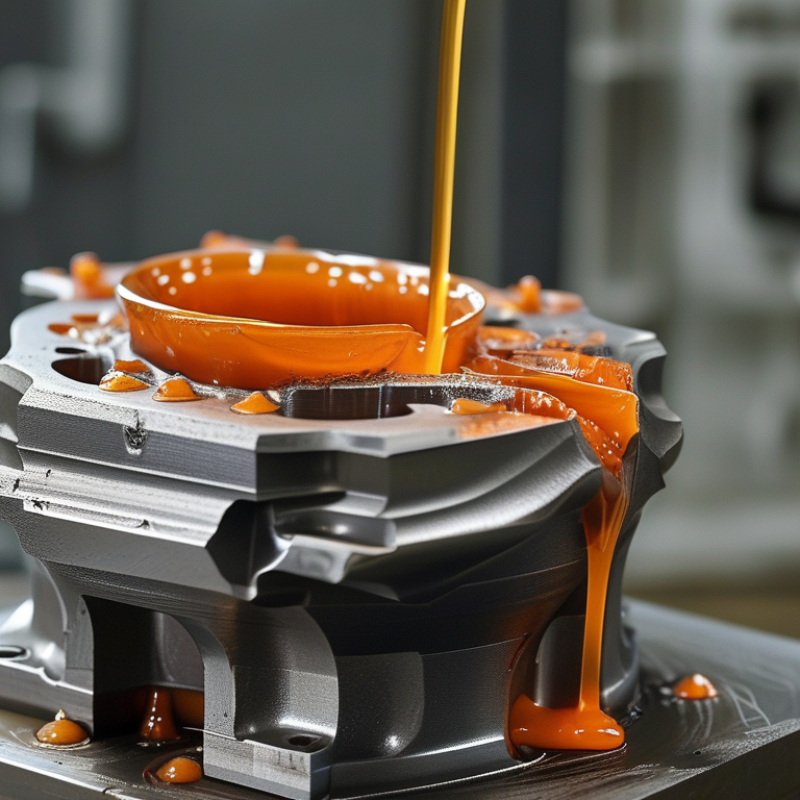
Understanding Different Types of Gating Systems in Molding
Choosing the right gating system for molding can significantly impact the final product's quality and efficiency. Different types of gating systems have unique characteristics that affect how the molten material flows. The most common types include edge gates, submarine gates, and hot runner systems. Each option has its strengths and weaknesses.
Edge gates are popular due to their simplicity, but they can create visible marks on the part. Submarine gates are less noticeable but can lead to more complex ejection issues. Hot runner systems help reduce waste and improve cycle times but are typically more expensive and require precise temperature control. Selecting the right type requires careful consideration of the design and function of the molded component.
Evaluating a gating system also involves understanding potential imperfections. Sometimes, defects like insufficient filling or uneven cooling arise from the chosen gating strategy. It’s essential to balance productivity and quality. Experimentation with different configurations can reveal unexpected results. Reflecting on past projects can guide future choices, making it vital to document each trial for better insights.
Factors to Consider When Choosing a Gating System
When choosing a gating system for your mold, several factors play a crucial role. Understanding these elements can greatly affect the quality of your final product.
Consider the part geometry and size. A complex shape may require multiple gates or a specific gate location. Take time to visualize how the material will flow. This helps in determining gate placement for optimal production.
Tips: Always prototype various gating options. Testing can reveal unanticipated flow issues. Use simulations to analyze cooling and filling patterns.
Material selection also influences your decision. Different plastics behave differently under heat and pressure. Know the melting temperature of your material. This information is essential for choosing the right gate design.
Tips: Consult with material data sheets. They often provide insights about performance characteristics. These details can aid in making informed choices.
Lastly, think about production efficiency. A well-placed gating system minimizes scrap and reduces cycle time. Reflect on how adjustments might improve output. Balancing efficiency with quality can be challenging but worthwhile.
How to Select the Best Gating System for Your Mold? - Factors to Consider When Choosing a Gating System
| Factor |
Description |
Impact on Production |
Recommended Gating System |
| Material Type |
The type of material being molded affects the choice of gating system. |
High impact on cycle time and quality of the final product. |
Hot Runner System |
| Part Geometry |
Complex shapes may require specific gating techniques. |
Critical for achieving even fill and minimizing defects. |
Submarine Gate |
| Production Volume |
Expected quantity of parts influences gating choice. |
High volume can justify investment in more complex systems. |
Hot Runner or Multi-Gate Systems |
| Cycle Time |
The duration of the molding process is influenced by the gating system. |
Shorter cycle times improve production efficiency. |
Cold Runner System |
| Part Quality |
Quality requirements dictate precision in the gating system. |
Directly affects customer satisfaction and product returns. |
Fine-Gate or Pin Gate Systems |
Evaluating the Impact of Gating Design on Mold Performance
The gating design in a mold is crucial for final part quality. A well-thought-out gating system ensures uniform material flow. It influences the cooling rate and the overall cycle time. When selecting a gating system, consider the part geometry. A complex shape may require multiple gates to achieve even filling. Improper design can lead to issues like warping or incomplete filling.
Every gating option has its pros and cons. For example, edge gates work well for flat designs but can create stress points. Similarly, pin gates can trap air, affecting the final product quality. Evaluating these factors is essential, as they can impact the performance of the mold over time. An experienced mold designer knows that experimentation is key. Testing various designs helps identify the best fit for specific applications.
Reflecting on past projects can highlight design errors. Learning from inadequate gating choices can lead to improved designs. The ideal system may not result in a perfect mold right away, but it will contribute to better production outcomes. Engaging in thoughtful analysis of gating systems is vital for enhancing mold performance.
Common Mistakes to Avoid in Gating System Selection
Selecting the right gating system for your mold can be challenging. Many newcomers make critical mistakes during this process. A common pitfall is overlooking the part design. Often, the chosen gate can restrict flow or cause defects. Understanding the geometry of the part is essential to ensure proper filling.
Another mistake is not considering the material properties. Different materials have different flow characteristics and cooling times. Choosing a gating system without this knowledge can lead to issues like warping or uneven cooling. Conducting thorough tests can help identify the most suitable design.
Additionally, many forget to factor in demolding. A poorly positioned gate can complicate the removal of the finished part. It is crucial to evaluate how the gating method impacts the demolding process. Taking the time to reflect on these aspects can prevent costly errors and improve overall efficiency.
Testing and Optimizing Your Chosen Gating System for Efficiency
Selecting the right gating system for your mold can greatly impact efficiency. Testing and optimizing your choice is crucial. This process starts with understanding the flow characteristics of the material. It’s important to ensure that the gate design supports even distribution. Uneven flow can lead to defects. Small adjustments can make a significant difference in the final product quality.
During testing, measure the flow rate and pressure variations. These metrics help identify potential bottlenecks. Conduct experiments with different gate sizes and configurations. Observe how each design affects cycle time and scrap rates. Sometimes, a simple change provides a clearer path for material flow, which enhances performance.
Optimization is an iterative process. Data collected during testing should inform future choices. Feedback loops are vital here. Discuss findings with your team to refine approaches. It’s also useful to revisit older designs. Continuous improvement leads to better efficiency and reduced waste. This journey demands patience, but the rewards can be substantial.
Conclusion
When considering how to select the best gating system for your mold, it's essential to understand the different types of gating systems available. Each type offers unique advantages and disadvantages, influencing factors like flow rate and pressure drop during the molding process. Additionally, evaluating how gating design impacts overall mold performance is crucial for achieving desired outcomes.
In making your decision, consider various factors such as material type, part geometry, and production volume. Common mistakes, like overlooking the cooling requirements or not testing the system adequately, can lead to inefficiencies. Finally, ongoing testing and optimization of your chosen gating system are vital to ensure maximum efficiency and performance throughout the production cycle.

 Ohio Machine