Top 10 Tips to Maintain High Precision in 3C Electronic Molds?

Time:2026-06-29 Author:Sophia
0%

Maintaining high precision in 3C electronic molds is crucial for achieving quality in production. With the rapid advancements in consumer electronics, the demand for precision has never been higher. This requires a thorough understanding of various factors that influence mold precision. Many manufacturers struggle with fluctuations in precision due to wear, environmental conditions, and material choices.

To tackle these challenges, it’s essential to adopt effective strategies. The goal is to ensure accuracy while also managing costs and production time. For example, regular maintenance can significantly extend the lifespan of molds and improve their performance. However, not all manufacturers prioritize this aspect, leading to decreased precision over time.

Understanding how to maintain high precision in 3C electronic molds involves both technical expertise and practical knowledge. Manufacturers must balance innovation with proven practices. Reflecting on past experiences and outcomes can guide future decisions. The right approach can transform mold-making processes.
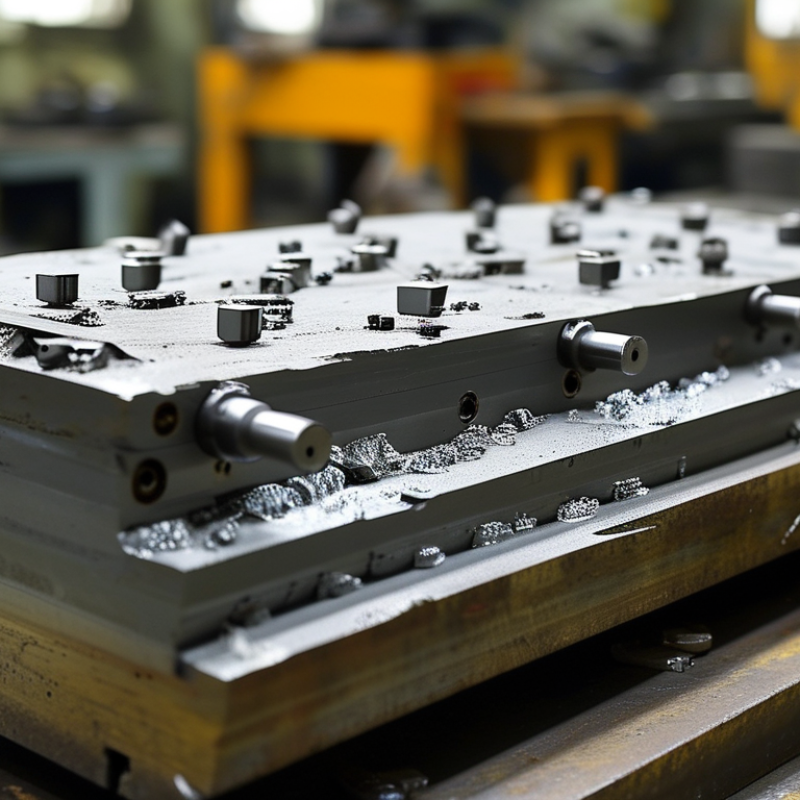
Top 10 Tips to Maintain High Precision in 3C Electronic Molds?

Essential Design Considerations for High Precision Molds

Designing high precision molds for 3C electronics is critical for product performance. The accuracy of these molds directly impacts the final product quality. According to a recent industry report, precision tolerances in mold design can be as tight as ±0.01mm. Achieving such precision involves careful consideration of several design factors.

Material selection plays a vital role. Choosing the right alloys and composites can enhance durability while ensuring accurate reproduction of designs. Furthermore, the mold’s cooling system must optimize thermal conductivity to prevent warping. A 2022 study revealed that improperly cooled molds can lead to defects in up to 15% of productions.

Surface finish is another essential aspect. A well-defined finish can reduce friction during ejection, which in turn minimizes wear on the mold. Inadequate attention to these details can lead to higher reject rates and increased costs. Crafting high precision molds demands both technical know-how and meticulous attention to detail. The industry must continuously reflect on these elements to ensure ongoing improvement and reliability in production processes.

Material Selection for Enhanced Mold Performance

Material selection plays a crucial role in enhancing the performance of 3C electronic molds. Choosing the right materials can significantly affect precision, durability, and overall mold life. Different materials exhibit unique properties that can impact the final product's quality. For instance, using high-grade steel can enhance wear resistance, while specialty alloys might offer better thermal stability.

However, selecting materials isn't a straightforward process. One must consider factors such as the intended application and environmental conditions. Not all materials perform equally in all situations. Some may warp under heat, while others could be too brittle under stress. It's essential to match the material properties with the performance requirements of the mold.

Another point to consider is the potential for quality inconsistencies in various materials. This can lead to precision issues during the molding process. Regular testing and validation of materials help ensure that their properties align with the desired performance standards. Even a minor oversight in material selection can result in significant production challenges later on. Understanding these intricacies is vital for anyone involved in mold design and manufacturing.

Importance of Regular Calibration and Maintenance Procedures

Regular calibration and maintenance are crucial for the performance of 3C electronic molds. Precision can be compromised when tools aren't regularly assessed. Standard procedures can help detect wear and misalignment before they become bigger issues. Frequent checks can improve overall reliability. These practices ensure that molds perform at their best, avoiding costly downtime later.


Maintenance is not just about timing; it’s also about accuracy. Qualified technicians should carry out calibrations. They bring experience and can spot subtle changes that others might overlook. Detailed records of each maintenance session should be kept. This data can reveal patterns or recurring issues. Understanding these patterns can guide future maintenance efforts.


Some companies underestimate the need for routine checks. They may wait until problems arise, thinking it saves time or money. This approach often leads to more significant complications. High precision in molds is not achieved solely through initial setup. Ongoing diligence is required to maintain that precision in the face of everyday wear. Regular maintenance is a commitment that pays off in the long run.

Effective Cooling and Heating Techniques for Mold Stability

Effective cooling and heating techniques play a crucial role in maintaining mold stability in 3C electronic products. The right temperature control is vital. Studies show that optimal temperature fluctuations should be within 2°C to enhance the mold’s lifespan. When temperatures spike, defects like warping occur, leading to costly reworks. It’s essential to implement uniform heating methods during the processing phases. High-precision molds require these methods to ensure accuracy.


Cooling rates also significantly impact mold performance. A rapid cooling process can undermine the material properties, potentially causing cracks. Reports indicate that maintaining a consistent cooling rate of around 1°C per minute can improve the durability of the molds. Investing in advanced cooling systems could be beneficial but requires a careful balance. Not every facility can afford such upgrades, leading some to compromise on quality due to budget constraints.


To optimize mold stability, regular monitoring is essential. Environmental factors can disrupt the heating and cooling processes. For instance, sudden changes in ambient temperature can introduce unexpected variables. Regular training for technicians can enhance responsiveness to these issues. However, relying solely on technology without skilled personnel can be a pitfall. Combining technology with human expertise is often the best approach to achieve high-precision results.

Implementing Quality Control Measures Throughout the Production Process

In the production of 3C electronic molds, implementing robust quality control measures is crucial. According to a 2023 industry report, companies that prioritize quality control see a 20% reduction in defects. These measures help in maintaining high precision during production. Regular inspections and testing at every stage are vital to catch errors early.

Tip 1: Automate measurement processes if possible. Advanced tools improve accuracy and reduce human error. Reliable calibration of these tools is essential.

Quality assurance must extend beyond initial checks. Continuous monitoring should be part of the workflow. A well-documented process allows for traceability. In fact, research shows that 75% of companies with strong quality documentation achieve better precision outcomes.

Tip 2: Invest in staff training. When employees understand quality standards, they contribute to better outcomes. Regular workshops keep the team updated with best practices, ensuring everyone is on the same page.

Yet, system flaws can still occur. A meticulous review of production line efficiency is beneficial. Organizations often overlook minor adjustments that could enhance mold precision. A culture of continuous improvement drives long-term success in quality control.

Top 10 Tips to Maintain High Precision in 3C Electronic Molds

This chart represents the effectiveness of various quality control measures implemented throughout the production process of 3C electronic molds. Each bar reflects the level of precision maintained when specific practices are followed.

FAQS

: Why is material selection important in mold design?

: Material selection affects precision, durability, and mold life. Different materials perform differently under various conditions.

What happens if the cooling system is not optimized?

Improper cooling can lead to defects in up to 15% of productions. This can significantly impact final product quality.

How does surface finish influence mold performance?

A well-defined surface finish reduces friction during ejection, minimizing wear on the mold. Poor finishes could raise reject rates.

What role does quality control play in mold production?

Strong quality control measures can reduce defects by 20%. Regular inspections help catch errors early in the production process.

Why should measurement processes be automated?

Automation improves accuracy and reduces human error. Reliable calibration of tools is needed for precise measurements.

How can staff training improve outcomes in production?

Trained employees understand quality standards better. Regular workshops keep teams updated with best practices, boosting overall quality.

What common oversight can lead to production challenges?

Minor oversights in material selection can result in significant issues later. Regular testing helps align material properties with performance standards.

How does continuous monitoring improve production processes?

Continuous monitoring allows for traceability and error catching. Companies with strong documentation achieve better precision outcomes.

What is a challenge in the mold design process?

Matching material properties to performance requirements isn't straightforward. Not all materials work well under every condition.

Why is a culture of continuous improvement important?

Continuous improvement drives long-term success in quality control. Organizations should regularly review production line efficiency for enhancements.

Conclusion

In the pursuit of how to maintain high precision in 3C electronic molds, several essential factors must be considered. Firstly, the design of the mold itself plays a critical role; precision must be incorporated from the initial concept through to completion. Material selection is equally vital, as the right materials enhance durability and performance, significantly affecting the mold's longevity and precision.

Moreover, implementing regular calibration and maintenance procedures ensures mold integrity over time. Effective cooling and heating techniques are necessary to maintain thermal stability during the molding process, which directly influences precision. Finally, establishing stringent quality control measures throughout the production process helps identify potential issues early on, thereby maintaining high standards of precision in 3C electronic mold manufacturing. By focusing on these key areas, manufacturers can effectively achieve and sustain high levels of precision in their molds.

Sophia

Sophia

Sophia is a dedicated marketing professional with an exceptional depth of knowledge about her company's products and services. With a keen understanding of market trends and customer needs, she crafts insightful blog posts that not only inform but also engage readers, enriching the company’s online......