Top 10 Causes of Weld Lines in Plastic Molded Parts?

Time:2026-07-02 Author:Sienna
0%

Weld lines are a common issue in plastic molded parts, impacting both aesthetics and structural integrity. According to the Plastics Industry Association, weld lines can reduce tensile strength by up to 20%. Understanding what causes weld lines in plastic molded parts is essential for manufacturers aiming for quality. Expert Dr. Sarah Thompson, a material science specialist, states, "Weld lines often indicate poor flow characteristics in the mold."

When molten plastic flows into the mold, it can encounter various obstacles. These can include sharp corners, sudden thickness changes, or poorly designed gates. As the material cools, it may not fully fuse, leading to visible lines. The effectiveness of the mold design can significantly influence weld line formation. Many manufacturers are unaware of the subtle design flaws that could lead to these defects.

It's essential to analyze both the material selection and processing conditions. Certain polymers are more prone to weld lines due to their flow characteristics. Addressing these factors can enhance product quality and performance. Rethinking production methods and mold designs could prevent common pitfalls. The goal is clear: eliminate weld lines efficiently while maintaining production speed.
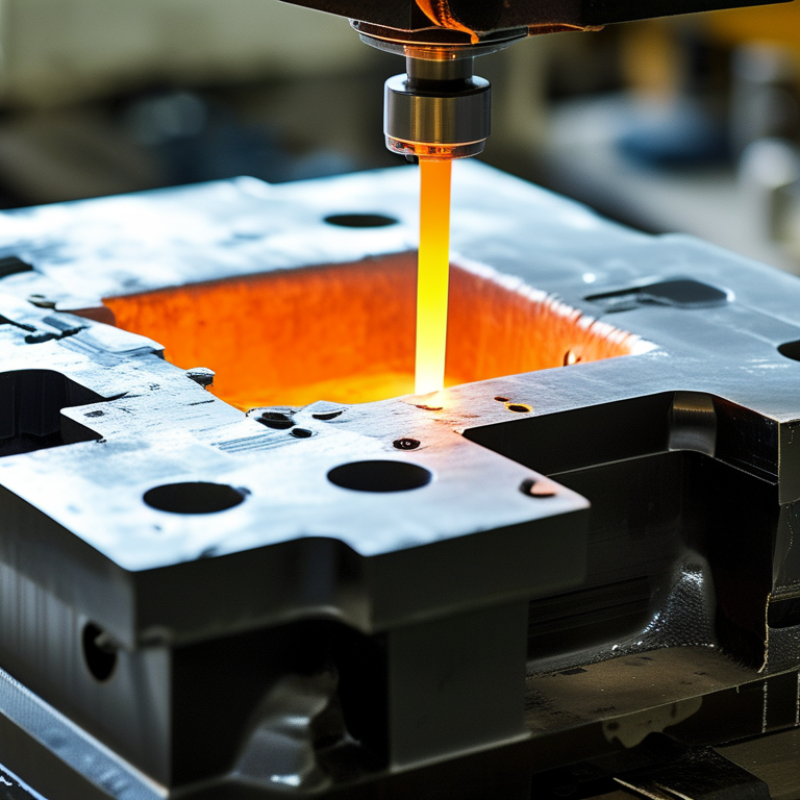
Top 10 Causes of Weld Lines in Plastic Molded Parts?

Overview of Weld Lines in Plastic Molded Parts

Weld lines are critical defects that can impact the quality of plastic molded parts. They occur when two flow fronts merge during the injection process. These lines often result in weak points that can compromise the integrity of the final product. According to the Society of Plastics Engineers, over 60% of molded parts experienced issues related to weld lines, revealing their prevalence in the industry.

Understanding the formation of weld lines is essential for manufacturers. Various factors contribute to their appearance, such as injection speed, melt temperature, and mold design. A study published in the Journal of Polymer Science indicated that adjusting processing parameters can reduce weld line visibility by up to 50%. However, many manufacturers still overlook these adjustments. They often prioritize cycle time over quality, leading to products that may not meet durability standards.

Testing different materials can also play a role in minimizing weld line effects. Some polymers have better flow properties than others, reducing the likelihood of weld lines. Mismatched material properties can lead to visibility issues and mechanical weaknesses. It’s crucial to experiment with material selections responsibly. Neglecting to account for these aspects can result in expensive recalls and customer dissatisfaction.

Understanding the Formation of Weld Lines

Weld lines are common in plastic molded parts and result from the flow of molten plastic. Understanding their formation helps in identifying their causes. These lines appear when two or more flow fronts meet during the injection process. When the plastic cools, it solidifies, leaving behind a visible line. This can affect the part's strength and aesthetics.

Factors leading to weld lines include improper mold temperature and inadequate injection speed. A low mold temperature can delay cooling, causing the two fronts to cool too rapidly before merging. On the other hand, a slow injection speed may not generate enough pressure, leading to incomplete filling. The material's viscosity also plays a role; highly viscous materials are more likely to form weak weld lines.

Identifying the root cause of weld lines isn't always straightforward. Even minor adjustments in process parameters can impact the final product. Inspecting mold designs and flow paths helps in understanding these imperfections. Regular testing and material selection can improve quality, but variability in production processes often leads to unexpected outcomes. Analyzing failed parts can provide insights, but the solutions are not always clear-cut.

Top 10 Causes of Weld Lines in Plastic Molded Parts

Key Factors Contributing to Weld Line Development

Weld lines are common in plastic molded parts. These lines form when two flow fronts merge during cooling. Several factors contribute to their development, and understanding these can help improve product quality.

One key factor is mold temperature. If the mold is too cool, the material solidifies quickly. This rapid cooling leads to poor fusion at the weld line. Flow rate also plays a significant role. When the flow rate is low, the material may not reach optimal temperatures for a strong bond. A slow injection can create visible weld lines.

Material choice is vital as well. Some plastics are more prone to weld lines due to their viscosity. Additionally, the geometry of the part can affect how flows meet. Complex shapes often lead to multiple flow fronts, increasing the likelihood of defects. Addressing these issues requires careful consideration of each aspect of the molding process. Reflection on past productions can reveal areas for improvement.

Impact of Processing Conditions on Weld Lines

Weld lines in plastic molded parts can significantly impact the aesthetics and structural integrity of the final product. One of the major contributors to weld lines is the processing conditions during injection molding. Variables such as injection speed play a crucial role. If the speed is too slow, it can lead to poor fusing, resulting in visible weld lines.

Temperature control is another critical factor. Maintaining optimal melt temperatures helps achieve better flow and reduces the formation of weld lines. If the material is too cool, the molten plastic may not bond well as it enters the cavity. Additionally, cooling time should be adjusted. Insufficient cooling can create uneven shrinkage, exacerbating weld lines and affecting the part's overall quality.

In exploring these factors, it's important to consider how variations might lead to unforeseen issues. Each mold design is unique, which may require tailored processing adjustments. Engineers often face challenges in striking the right balance. Monitoring these conditions can be complex, and sometimes, despite careful planning, unexpected weld lines appear. Adapting to these challenges fosters learning and improvement in plastic molding processes.

Methods for Minimizing Weld Line Issues in Production

Weld lines are common in plastic molded parts. They occur when molten plastic flows together and cools, creating a visible line or mark. These lines can compromise the strength and appearance of the finished product. Addressing weld line issues requires careful planning and execution in production.

One effective method to minimize weld lines is optimizing the mold design. Ensuring uniform flow of material is crucial. Using flow leaders or risers can help guide the plastic and reduce turbulence. Additionally, adjusting the injection speed can lead to better material consistency. Monitoring temperature is essential as well; too high or too low can create problems.

Post-processing techniques like surface finishing can also improve aesthetics. While this may enhance appearance, it doesn't eliminate the issue. Understanding that some weld lines may still appear highlights the need for continuous evaluation. It's vital to assess mold performance regularly. By embracing these methods, manufacturers can significantly reduce weld line occurrences, leading to better product quality.

FAQS

: What are weld lines in plastic molding?

: Weld lines are visible lines where molten plastic flows together and cools, impacting aesthetics and strength.

How does injection speed affect weld lines?

A slow injection speed can cause poor fusing, resulting in prominent weld lines. It's important to optimize speed.

Why is temperature control critical in injection molding?

Maintaining optimal melt temperatures ensures better flow and reduces weld line formation. Cool material may not bond well.

What role does cooling time play in weld lines?

Insufficient cooling can create uneven shrinkage, worsening weld lines and overall part quality. Adjusting cooling time is essential.

How can mold design minimize weld lines?

Optimizing mold design for uniform material flow can reduce turbulence, minimizing weld lines. Using flow leaders can be beneficial.

Are there any post-processing methods to address weld line issues?

Surface finishing can improve the appearance of weld lines. However, it may not eliminate them entirely, requiring ongoing evaluation.

What challenges do engineers face with weld lines?

Engineers must balance multiple factors, such as speed and temperature. Unexpected weld lines can result despite careful planning.

How often should mold performance be evaluated?

Regular assessments of mold performance are crucial for continuous improvement. This helps in identifying issues with weld lines early.

Can weld lines be entirely eliminated in production?

While efforts can reduce their occurrence, some weld lines may still appear, indicating a need for ongoing reflection and learning.

What is a common misconception about reducing weld lines?

Some believe that surface finishing solves the problem. It only enhances appearance but doesn't remove the weld lines.

Conclusion

Weld lines in plastic molded parts are critical issues that can affect both the aesthetic and mechanical properties of the final product. Understanding what causes weld lines in plastic molded parts hinges on recognizing the formation process, where two or more flow fronts meet during the molding cycle. Key factors contributing to this phenomenon include material flow rates, injection speeds, and temperature variations, all of which play a significant role in weld line visibility and strength.

Processing conditions have a profound impact on weld line development; improper settings can exacerbate the problem. Therefore, it is essential to implement effective strategies for minimizing weld line issues in production. Techniques such as optimizing mold design, adjusting processing parameters, and selecting appropriate materials can significantly reduce the occurrence and implication of weld lines, leading to higher quality molded parts.

Sienna

Sienna

Sienna is a skilled marketing professional with a deep expertise in our company’s core products and services. With a passion for innovation and detail, she plays a pivotal role in crafting insightful blog posts that not only highlight the unique features of our offerings but also provide valuable......