Injection molding is a critical process in manufacturing, particularly for producing high-demand consumer products. As reported by the Plastics Industry Association, injection molding has improved efficiency by 30% over the past decade. However, challenges persist, particularly around short shots. Industry expert Jane Doe, a recognized authority in molding technology, emphasizes, "Identifying the root causes of short shots is crucial for maintaining product quality."
Short shots can lead to significant production setbacks and increased costs. Knowing how to troubleshoot short shots in injection molding is vital for manufacturers striving for excellence. Common causes include inadequate material flow, miscalibrated equipment, and improper temperature settings. For example, if a mold temperature is too low, it may prevent the material from filling the cavity completely.
Reflection on past production issues is essential. Many companies have faced unexpected waste due to short shots. They must analyze and adjust their processes accordingly. By implementing systematic troubleshooting methods, manufacturers can enhance efficiency and reduce defects, ultimately leading to superior product outcomes.
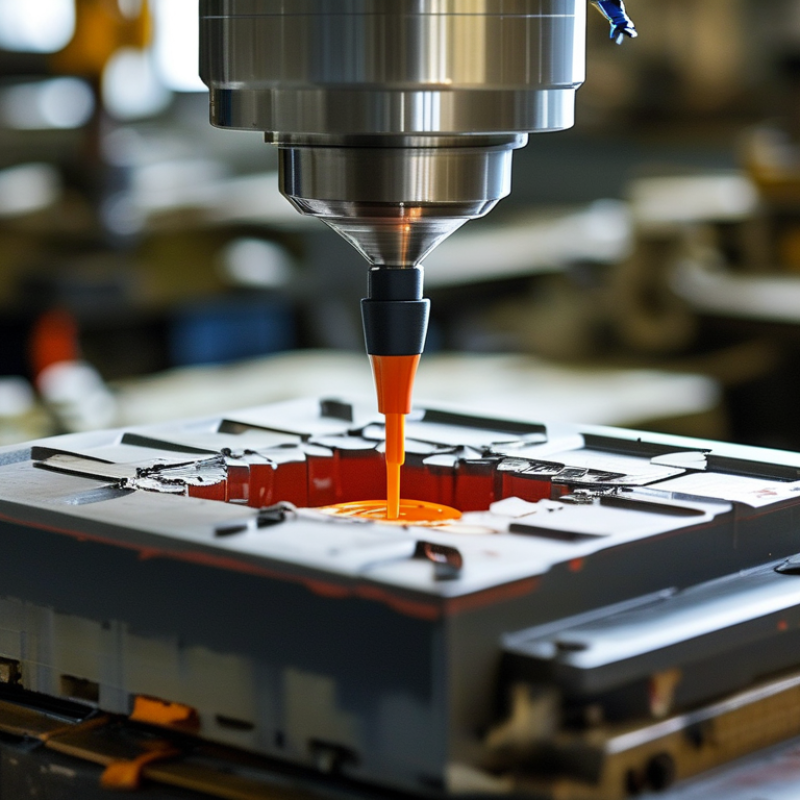
Understanding short shots in injection molding is crucial for manufacturers aiming to enhance production efficiency. A short shot occurs when molten plastic fails to fill the entire mold cavity, leading to incomplete parts. Industry reports show that short shots account for nearly 20% of production defects in injection molding processes. Addressing this issue requires a systematic approach, as it can significantly impact product quality and market competitiveness.
One common cause of short shots is inadequate injection pressure. If the pressure is too low, the material won't reach every part of the mold. Another factor is improper material temperature. If the plastic isn't heated enough, it won’t flow correctly. It’s essential to monitor these parameters closely. Adjustments to temperature and pressure can often resolve the problem quickly.
**Tips:** Always conduct routine maintenance on your injection molding machines. Clogged nozzles can also contribute to short shots, so regular cleaning can prevent this issue. Implementing a robust quality control process helps catch these discrepancies early. Don’t overlook the role of mold design; it should facilitate proper filling and venting. Reflecting on these aspects can lead to substantial improvements in production and reduce costly waste.
Short shots in injection molding present a common challenge in manufacturing. These defects occur when the molten plastic fails to fill the mold entirely. This issue can arise from several factors. One often overlooked cause is inadequate material flow. When the material is too thick or has insufficient pressure, it may not reach all areas of the mold.
Temperature plays a crucial role in the injection process. If the material is not heated adequately, it can solidify too quickly, preventing a complete fill. Additionally, mold design impacts flow rates. Poorly designed gates or runners can restrict the movement of material, leading to short shots.
Regular audits of both temperature and mold designs could help identify these issues.
Another frequently encountered reason is moisture in the material. Water can create inconsistencies that affect the flow. It's essential to ensure proper drying prior to processing. An experienced operator may spot these signs quickly, but even skilled personnel can overlook these details. Continuous training and vigilance are vital to minimize defects like short shots.
Diagnosing short shot issues in injection molding is crucial for ensuring high-quality production. A short shot occurs when the mold does not fill completely. This can lead to defects and increased costs. Several factors contribute to this problem, including inadequate material flow, low injection pressure, or insufficient material temperature.
Examine the material choice carefully. The viscosity of the polymer can impact fill patterns. A high-viscosity material may not flow well, resulting in short shots. Additionally, check the mold design. Poor ventilation or complex geometries can trap air pockets, preventing complete filling. Adjustments in gate size or location might be necessary.
Sometimes, the issue lies with the machine settings. Incorrect injection speed or pressure can lead to uneven material distribution. Operators should regularly calibrate equipment for optimal performance. Regular quality checks will help detect patterns and prevent recurring issues. Addressing these factors can significantly improve the consistency of your production.
Short shots in injection molding can lead to costly production delays. It's crucial to understand how to prevent them effectively. One common reason for short shots is insufficient material flow. If the flow is restricted, it compromises the fill of the mold.
Tips to ensure proper fill are essential. Monitor the material temperature closely. If the temperature is too low, the material may not flow adequately. Also, check the injection pressure settings. Setting the pressure too low can prevent complete mold filling.
Another factor to consider is mold design. Design flaws can lead to uneven filling. It's vital to assess the gating system’s efficiency. Poor gate placement can trap air and create voids in the mold. Regular inspection of the mold can help identify issues. Sometimes, small adjustments can yield significant improvements. Remember, even minor tweaks might require multiple reflections to achieve the desired results.
This chart illustrates the short shot rate for various top products projected for 2026. A lower short shot rate indicates better efficiency in the injection molding process, suggesting areas for improvement and preventive measures to reduce such issues.
Troubleshooting short shots in injection molding can be challenging. This issue occurs when the mold does not fill completely, leading to product defects. To tackle this problem effectively, understanding the root causes is essential. Factors such as inadequate material flow, improper temperature settings, and insufficient injection pressure often contribute to incomplete filling.
One effective practice is to analyze the mold design. Are there issues with the gate location or size? Adjusting these can enhance the flow of the polymer. Additionally, monitoring the barrel temperature and checking for consistent material viscosity can help prevent short shots. Regular maintenance of the injection molding machine is crucial too. It can ensure that the components are functioning optimally.
Another area to reflect on is the materials used in production. Some resins may not flow well under specific conditions. Experimenting with various materials or additives might lead to improvements. Operators should keep detailed records of these experiments. Being aware of past failures can provide insights for future troubleshooting.
Recognizing these imperfections can turn challenges into opportunities for improvement.
: A short shot occurs when the mold does not fill completely, leading to potential defects.
Factors include inadequate material flow, low injection pressure, or insufficient material temperature.
High-viscosity materials may not flow well, resulting in incomplete mold filling.
Poor ventilation or complex shapes can trap air, causing uneven filling and short shots.
Incorrect injection speed or pressure can lead to uneven material distribution inside the mold.
Monitor material temperature and ensure injection pressure settings are appropriate to promote proper fill.
Regularly inspecting the mold can identify design flaws or gate placement issues that contribute to filling problems.
Yes, trying different materials or additives may improve flow and reduce short shot occurrences.
Regular calibration helps maintain optimal machine performance, preventing short shots and defects.
Keeping detailed records of past failures can provide insights for future improvements in the process.
The article titled "Troubleshooting Short Shots in Injection Molding for 2026 Top Products" provides a comprehensive guide on how to troubleshoot short shots in injection molding, a common issue that can compromise product quality. It begins by defining short shots and discussing their impact on manufacturing efficiency. Common causes, such as insufficient material flow or improper temperature settings, are also explored, enabling manufacturers to pinpoint potential problems.
The article emphasizes the importance of diagnosing short shot issues effectively and outlines preventative measures to avoid these occurrences. Best practices for troubleshooting short shots, specifically tailored for the unique challenges of 2026 products, are also shared, equipping readers with practical approaches to enhance production processes. By understanding these key factors, manufacturers can significantly reduce the frequency of short shots, ensuring higher quality outputs.

Ohio Machine