Why choose overseas mold manufacturers for mass production? The answer is rarely limited to lower tooling prices. It involves capacity, engineering depth, production speed, and long-term supply stability. An experienced overseas partner may combine mold design, CNC machining, EDM, polishing, assembly, and trial production under one roof. That can reduce handoffs and expose fewer communication gaps.
John G. Bozzelli, a respected injection-molding educator and industry consultant, has stated, “The mold is the heart of the process.” His point remains practical. A poorly designed mold can create flash, short shots, uneven cooling, and repeated production delays. A carefully engineered mold can support stable cycles and consistent parts. That difference becomes significant when production reaches hundreds of thousands of units.
The strongest reason to work overseas is controlled scalability. Skilled manufacturers can use DFM reviews, Moldflow analysis, hardened steel, interchangeable inserts, and documented inspection standards. Some facilities also provide video trials and dimensional reports before shipment. These details make remote cooperation more measurable.
But overseas sourcing is not automatically safer or cheaper. It can fail when specifications are vague, timelines are unrealistic, or quality checks happen too late. That uncomfortable truth deserves attention. Buyers should audit capabilities, clarify tolerances, protect design information legally, and approve samples before mass production. Time zones may slow decisions. Freight may complicate urgent changes. Yet, with transparent communication and staged validation, overseas mold manufacturers can offer strong value, repeatable quality, and production capacity that local suppliers may not always provide.
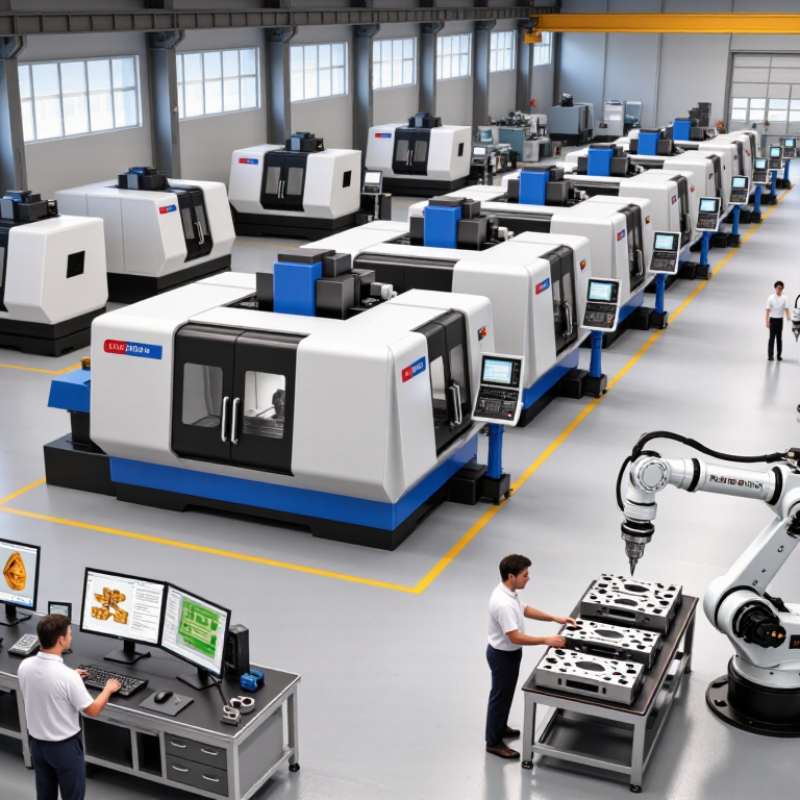
Overseas mold manufacturers are companies located outside a buyer’s home country that design and produce molds for making parts at scale. A mold is a shaped tool, often made from hardened steel or aluminum, that guides plastic or metal into a repeatable form. For example, a plastic housing mold may include a cavity, cooling channels, and moving sections to release each finished part.
These manufacturers may offer design review, mold construction, sample runs, and production support. Their teams can assess details such as wall thickness, draft angles, and expected production volume before cutting steel. Communication and time zones matter, too. A clear drawing helps, but it cannot replace confirming material, tolerances, and inspection methods together. Small misunderstandings can become expensive rework.
Tips: Request a sample part, a mold maintenance plan, and clear inspection records. Ask who owns the mold and how changes are approved. Check how the supplier reports wear or defects. Keep key decisions in writing.
Overseas production can provide access to specialized equipment and experienced toolmakers, but distance makes oversight harder. Video calls and progress photos are useful, though they may not reveal every issue. A practical partnership needs agreed milestones, measurable quality checks, and realistic shipping time. Even a careful process has gaps; plan for them rather than assuming every first sample will be perfect.
Overseas mold manufacturers can help turn a validated design into repeatable production by combining tooling expertise with scalable capacity. Their teams may support mold-flow review, steel selection, machining, and trial shots before a tool enters full production. These checks matter: a small cooling imbalance can leave a visible sink mark or extend cycle time across thousands of parts. Clear drawings, agreed tolerances, and documented sample approval help keep decisions traceable across distance.
Digital coordination is increasingly relevant. Deloitte’s 2024 Smart Manufacturing Survey, based on responses from 600 manufacturing executives, found that 86% expected smart manufacturing to be a primary driver of competitiveness within five years.
For mold programs, shared inspection records and production updates can help buyers track tool changes, defects, and output without relying only on occasional calls. Useful detail. Yet overseas sourcing does not remove production risk.
Time zones can slow urgent decisions, and a polished first sample does not prove long-run consistency. Buyers should review trial-run data, cavity balance, maintenance plans, and spare-part availability before committing to volume. The process can still feel awkward when feedback crosses languages; written measurements and marked-up photos often clarify more than another meeting.
Overseas mold manufacturers can reduce mass-production costs through lower labor rates and established tooling networks. In many industrial regions, skilled mold technicians, CNC operators, and polishing teams work within the same supply chain. This reduces outsourcing delays and lowers handling fees. Some suppliers also purchase mold steel, hot-runner components, and standard parts in bulk. Those savings may appear in the initial quotation.
Production scale creates another advantage. A factory producing hundreds of molds yearly can spread machine maintenance, engineering software, and inspection costs across many orders. Experienced teams may also improve cooling layouts and reduce cycle times. Even a two-second cycle reduction can matter when machines run continuously. However, the cheapest quote is not always the best value.
Shipping, import duties, currency changes, and corrective machining can alter the final cost. A mold that requires repeated adjustments may consume savings quickly. I recommend comparing landed cost, not only the tool price. Ask for steel certification, dimensional inspection records, mold-flow analysis, and a clear maintenance plan. These details show whether the supplier controls quality professionally. Communication also affects cost. A missed tolerance or unclear texture requirement can cause weeks of rework.
Overseas sourcing is not effortless. Time-zone gaps can slow approvals. A lower hourly rate cannot repair weak engineering control. Cost planning should include sampling, freight, spare components, and possible modifications. That is the part many buyers underestimate. Reliable suppliers usually explain these risks before production begins, even when the explanation makes their quotation look less attractive.
Normalized cost index by major mold-production cost category
The chart uses a normalized index where a local production benchmark equals 100. Overseas sourcing can reduce labor, machining, and project-management costs, while freight and customs may add expense. Actual savings depend on mold complexity, material requirements, order volume, quality standards, and delivery terms.
Choosing an overseas mold manufacturer can support mass production, but distance makes evaluation more important. Quality should be proven through records, not promises. Request material certificates, dimensional reports, maintenance logs, and recent samples from comparable projects. A factory should explain its tolerance control, steel selection, cooling design, and inspection methods clearly. Ask whether measurements come from calibrated equipment, such as coordinate measuring machines. Small details matter.
Technology affects both mold life and production stability. Review the manufacturer’s design software, machining equipment, EDM capability, and trial-shot process. During a mold trial, inspect part weight, surface finish, flash, warpage, and cycle time. Ask for a report showing cavity balance and repeated measurements. One successful sample proves little. Real experience appears in how the team investigates defects and adjusts process settings. Their answers should include evidence, not vague confidence.
Production capacity needs careful verification. Check the number of available machines, average utilization, skilled technicians, and backup equipment. A large workshop may still miss deadlines if scheduling is weak. Request a realistic production plan with toolmaking, sampling, corrections, and delivery dates. Communication deserves testing too. Send a technical question and observe the response time and accuracy. No evaluation is flawless. A low quote can still look attractive, and judgment sometimes slips there. Visit the facility remotely or in person when possible, then compare observed capability with written commitments.
Why Choose Overseas Mold Manufacturers for Mass Production?
Choosing an overseas mold manufacturer is not only a price decision. Buyers should examine process control, engineering experience, and communication discipline. Deloitte’s 2023 Global Chief Procurement Officer Survey reported that cost management and supply assurance remain major procurement priorities. This matters because a cheaper mold can create expensive delays, unstable dimensions, or repeated tool repairs.
Request evidence, not promises. Review sample inspection reports, material certificates, machine lists, and corrective-action records. Ask how the supplier controls steel hardness, cooling channels, polishing, and mold-life expectations. ISO 9001 certification can support consistency, but certification alone does not prove practical skill. The 2024 ASQ Quality Progress survey showed that quality professionals continue to focus heavily on preventing defects rather than correcting them later. That principle fits mold sourcing well. A small design error can multiply across thousands of parts.
Tips: Compare total cost, not quotation price. Include tooling, sampling, freight, maintenance, and revision costs. Confirm ownership of drawings and mold assets in writing. Set measurable acceptance criteria before production begins. Use video audits when travel is difficult. Ask for a trial run and inspect actual parts. Communication can still fail, even with skilled teams. Time zones, unclear files, and optimistic delivery dates deserve careful review. I have found that a supplier’s response to a small problem often reveals more than a polished factory tour.
Lower labor rates and established tooling networks can reduce production costs. Skilled technicians, CNC operators, and polishers may work nearby. Bulk purchases of steel and standard components also lower expenses. The lowest quotation is not always the lowest final cost.
Calculate shipping, import duties, currency changes, sampling, spare parts, and possible modifications. Corrective machining can quickly consume early savings. Compare the complete landed cost. That is often missed.
Request steel certificates, dimensional reports, maintenance logs, and comparable recent samples. Ask whether measurements use calibrated equipment. A coordinate measuring machine can support more reliable inspection data. Promises alone are weak evidence.
Review design software, machining equipment, electrical-discharge machining, cooling layouts, and trial-shot procedures. Ask how the supplier controls tolerances and selects mold steel. Small details reveal engineering discipline. Sometimes, judgment still slips.
Check part weight, surface finish, flash, warpage, and cycle time. Inspect cavity balance and repeated measurement results. One attractive sample proves very little. Defects matter more than polished presentations.
Verify machine numbers, current utilization, skilled technicians, and backup equipment. Ask for a schedule covering toolmaking, sampling, corrections, and delivery. A large workshop can still miss deadlines. Scheduling quality matters.
Time-zone gaps can delay approvals and technical decisions. Unclear texture requirements or missed tolerances may cause weeks of rework. Send a detailed technical question before ordering. Measure response speed and accuracy.
A remote or physical visit can reveal equipment, workflow, and inspection practices. Compare observed capability with written commitments. No evaluation is perfect. Keep questioning the attractive quote.
Overseas mold manufacturers can help businesses turn product designs into molds and components at the volumes needed for mass production. They may offer competitive pricing through efficient operations, specialized expertise, and access to established manufacturing resources. Their capabilities can also include design support, mold making, testing, and production coordination, helping buyers manage the process from initial specifications to repeatable output.
When considering why choose overseas mold manufacturers for mass production, buyers should look beyond the quoted price. Evaluate material and process expertise, quality-control procedures, equipment, available capacity, communication practices, lead times, and the supplier’s ability to scale production consistently. Clear specifications, sample reviews, realistic schedules, and agreement on inspection criteria can reduce misunderstandings. A careful comparison of costs, quality, technical fit, and production reliability helps buyers select a supplier suited to their product and long-term manufacturing needs.

Ohio Machine