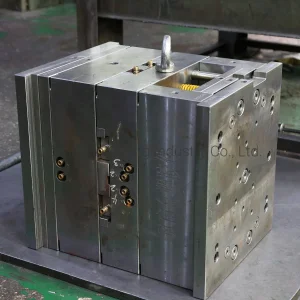
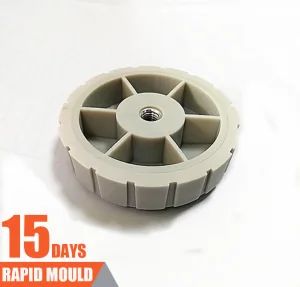
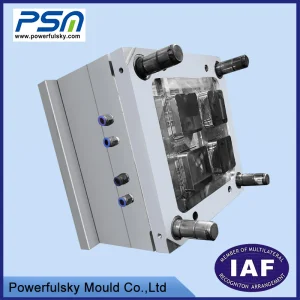
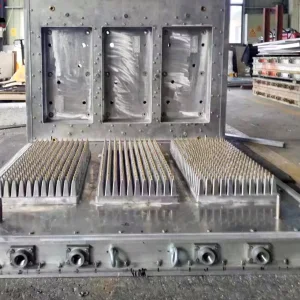
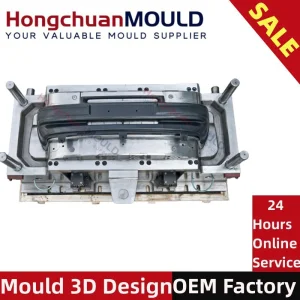
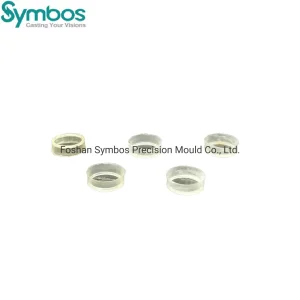
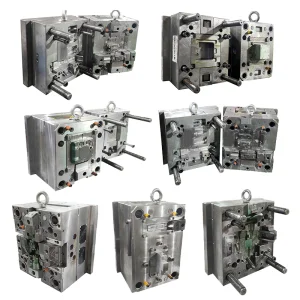
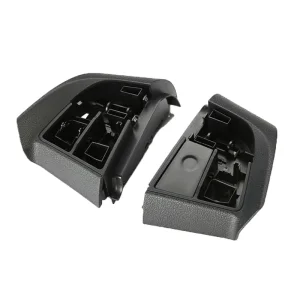
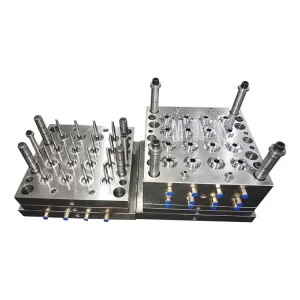
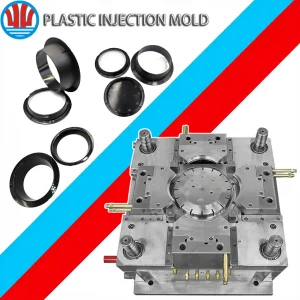
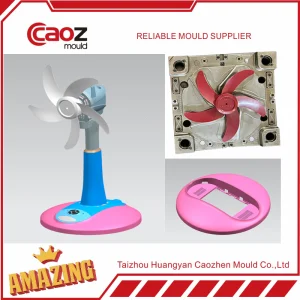
As industrial manufacturing enters the era of Industry 4.0, Liquid Silicone Rubber (LSR) has emerged as the material of choice for high-performance applications. The global demand for LSR is driven by its exceptional biocompatibility, thermal stability, and chemical resistance. In China, leading manufacturers like Suzhou Ohio Machinery Co., Ltd. are at the forefront of this revolution, bridging the gap between raw material excellence and high-precision mold engineering.
Modern procurement strategies now prioritize "Information Gain"—the ability of a supplier to provide not just a product, but technical foresight. For global exporters, this means mastering the complexities of two-shot molding (LSR/Thermoplastic), flash-less injection, and ultra-short cycle times that optimize ROI for multinational corporations.
Leveraging medical-grade and food-grade silicone that meets stringent FDA and LFGB standards for global compliance.
Maintaining tolerances within ±0.01mm using state-of-the-art CNC and EDM processes for complex LSR geometries.
Waste reduction through cold runner systems and energy-efficient injection cycles, supporting ESG goals of global partners.
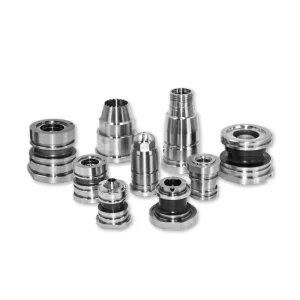
Suzhou Ohio Machinery Co., Ltd. is a professional manufacturer and supplier dedicated to precision machinery components, mold manufacturing solutions, and high-quality industrial materials. Located in Suzhou, one of China's most advanced manufacturing hubs, the company serves customers worldwide with reliable products, advanced technology, and comprehensive engineering support.
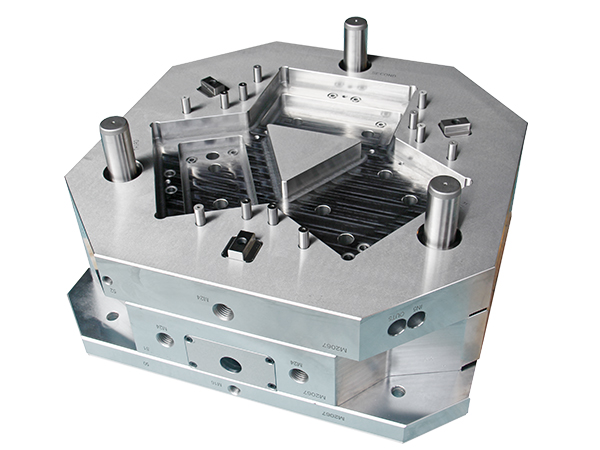
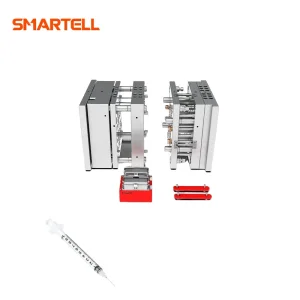
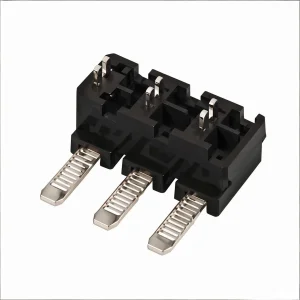
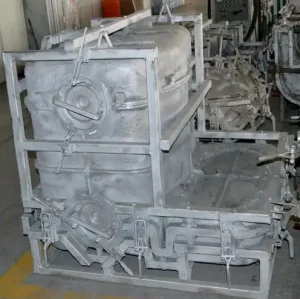
The company specializes in the production and processing of high-precision mold bases, customized mold components, precision machined parts, and related industrial products. Its products are widely used in various industries, including consumer electronics (3C), medical devices, food packaging, cosmetics, automotive manufacturing, home appliances, office supplies, and other precision engineering sectors.
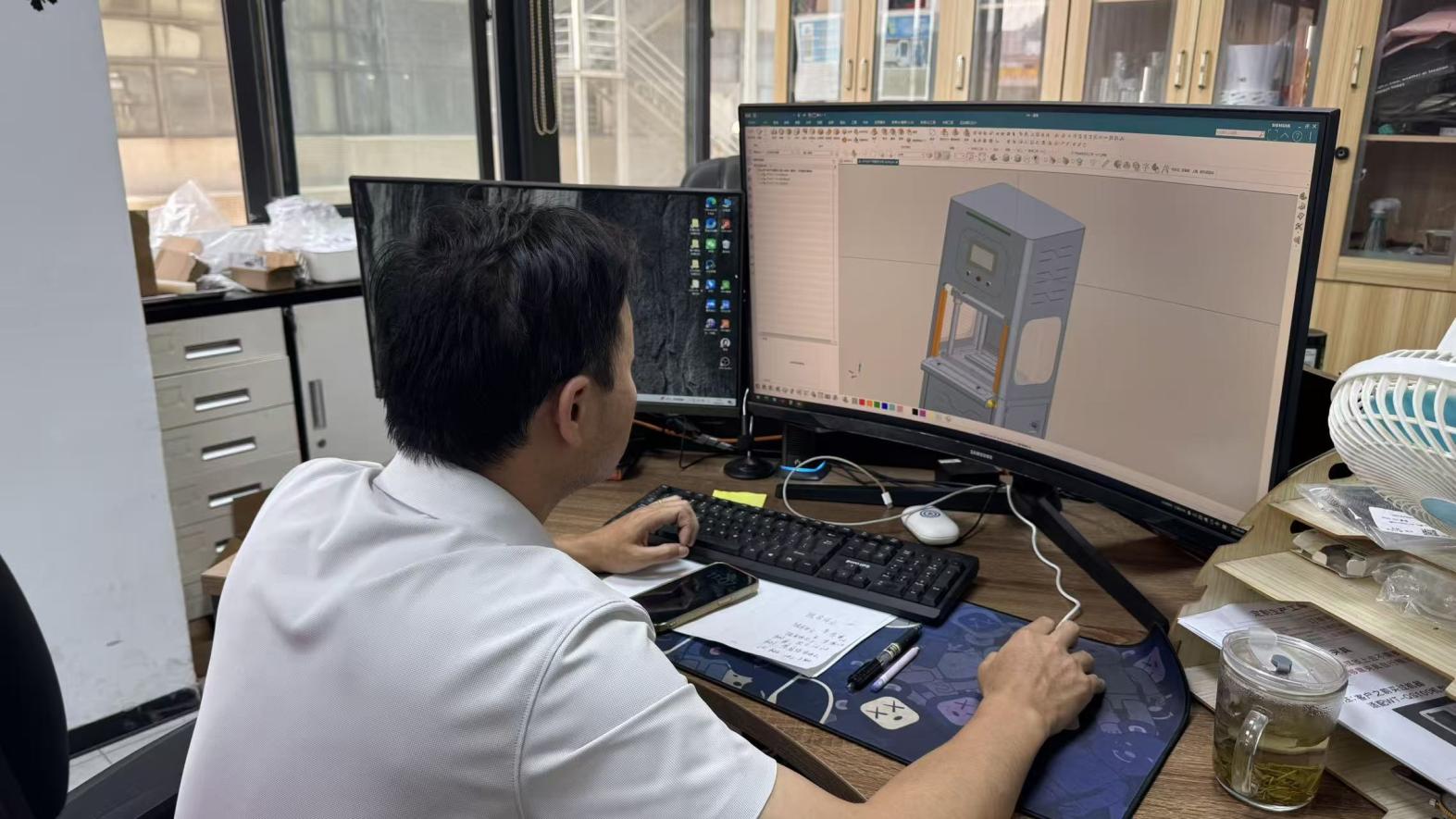
R & D
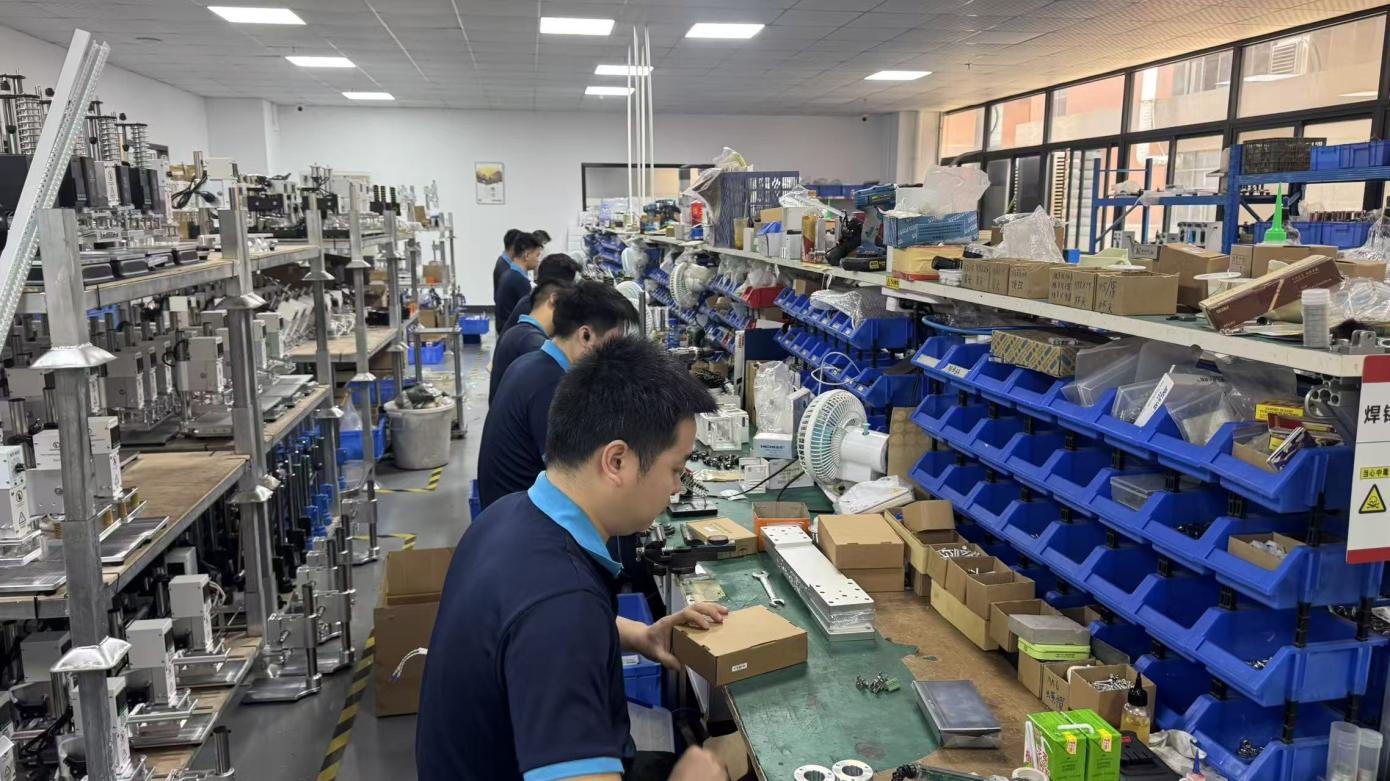
Assembly
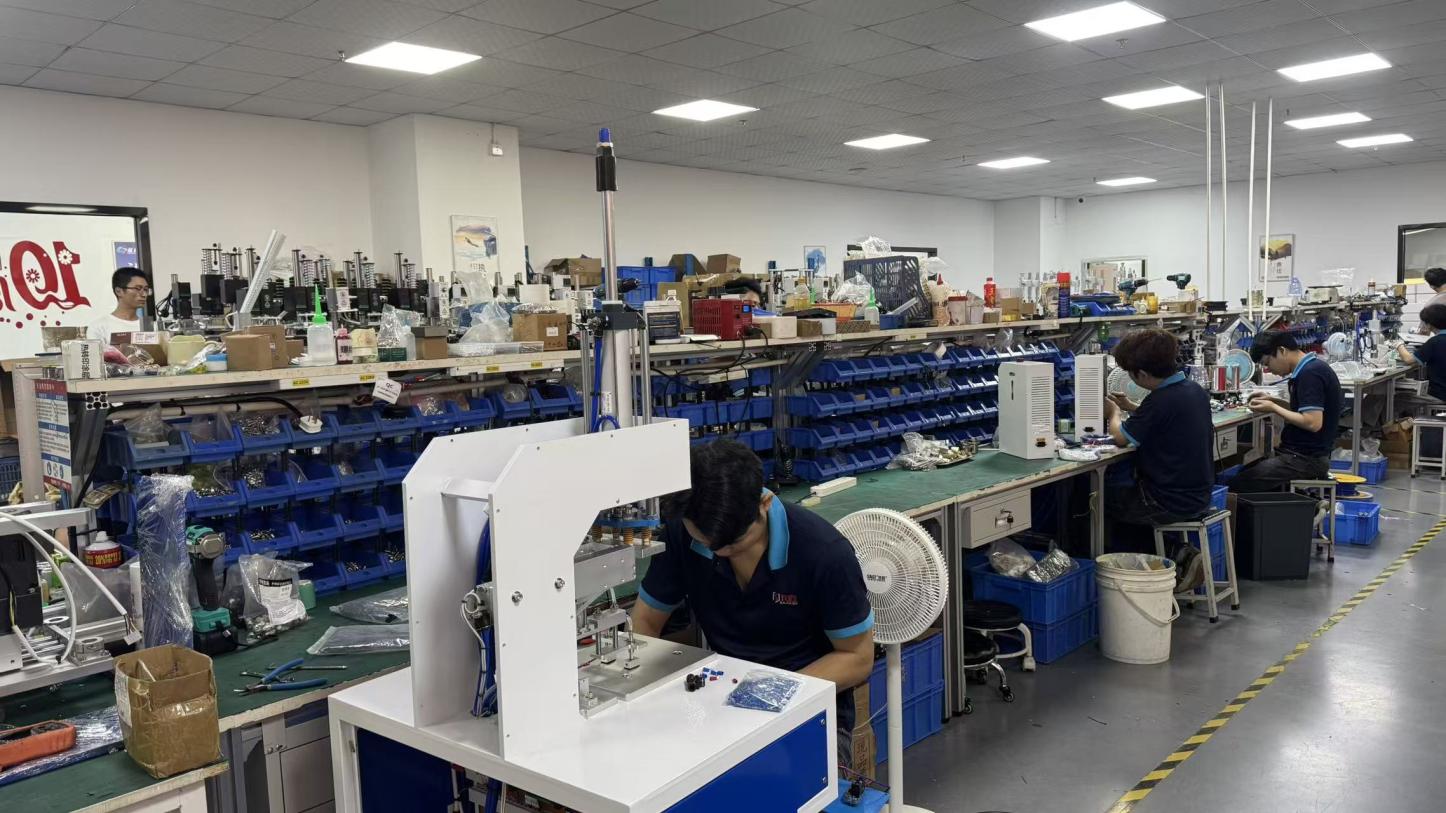
Assembly
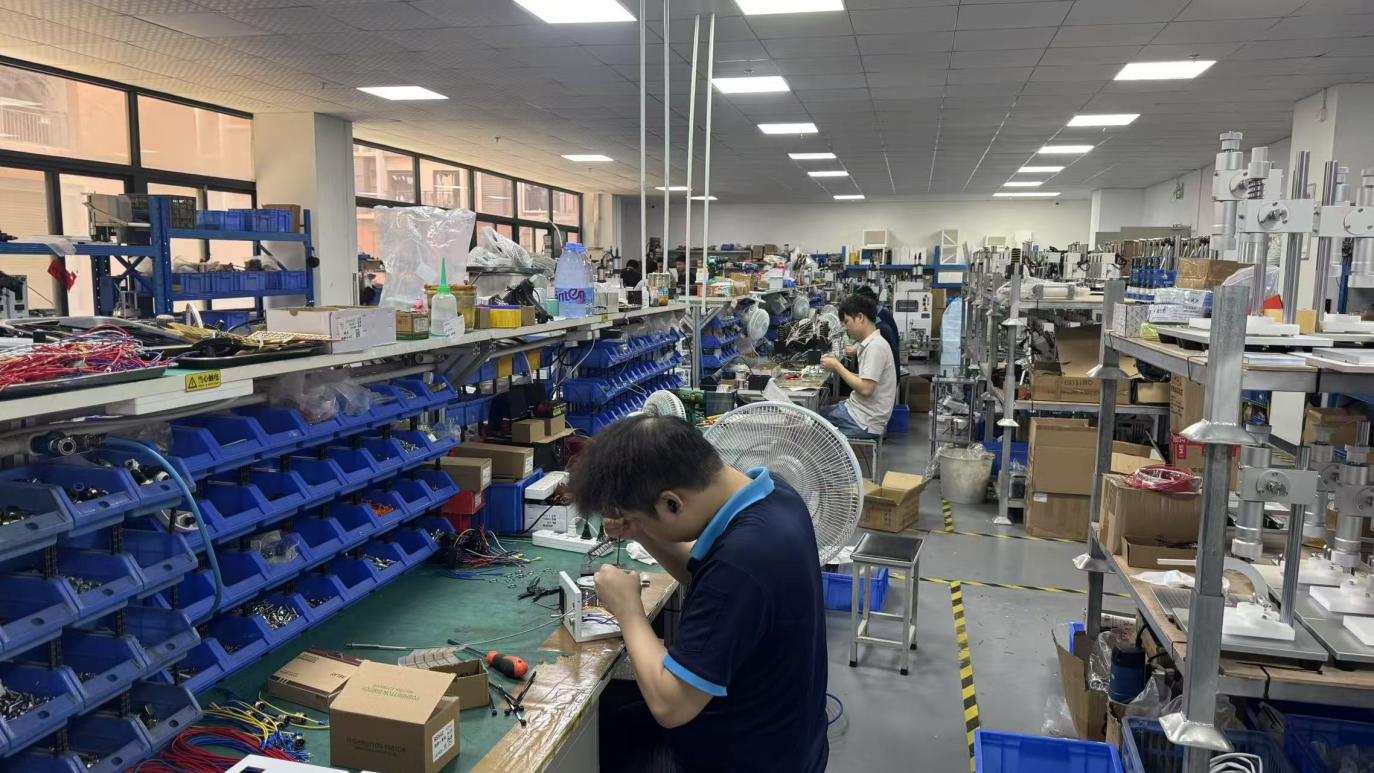
Assembly
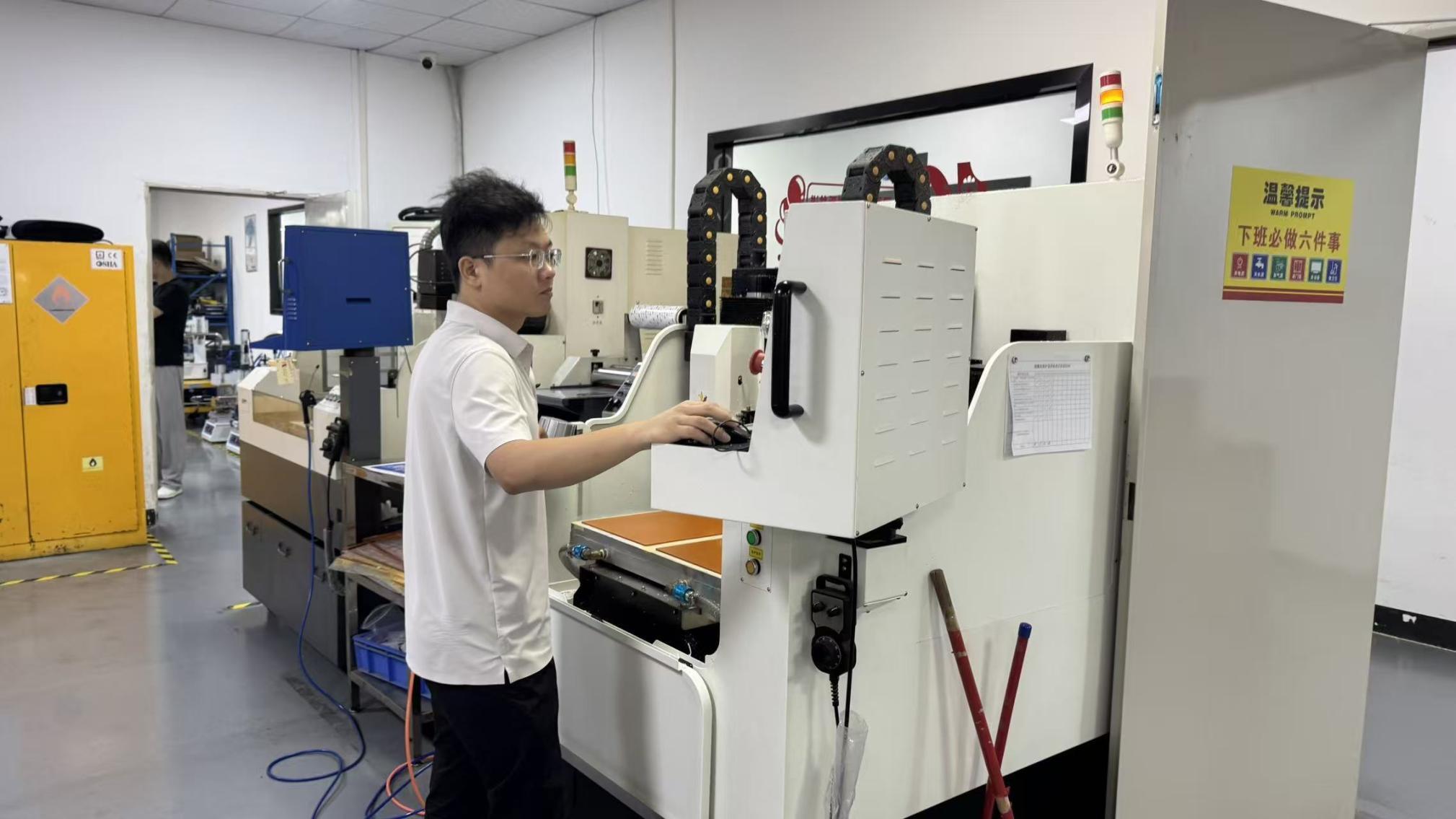
Engraving
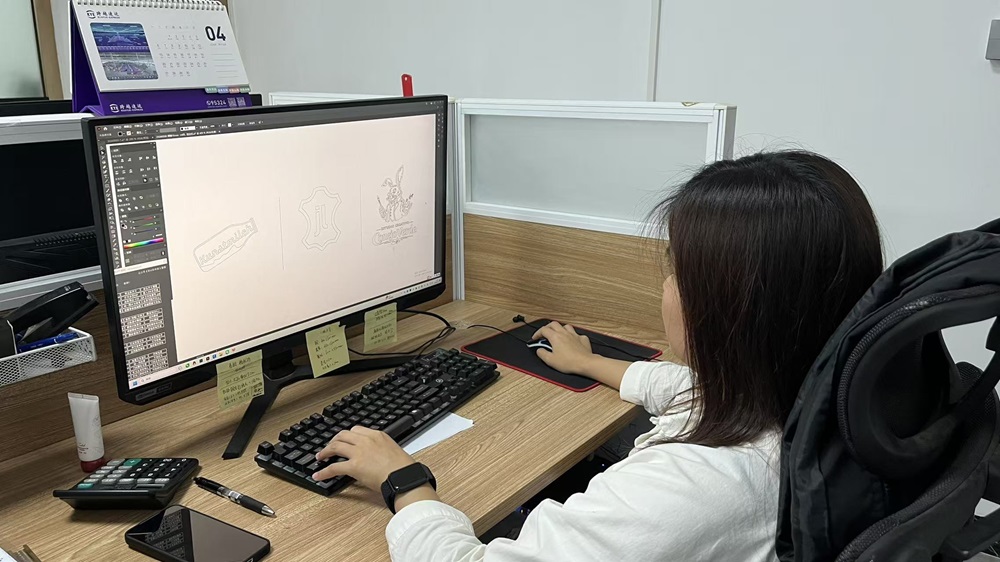
Design
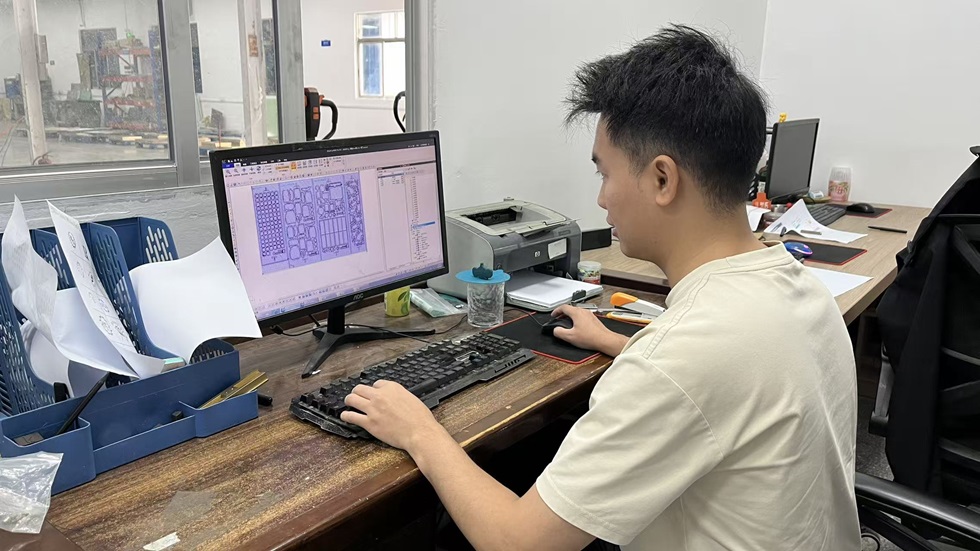
Programming
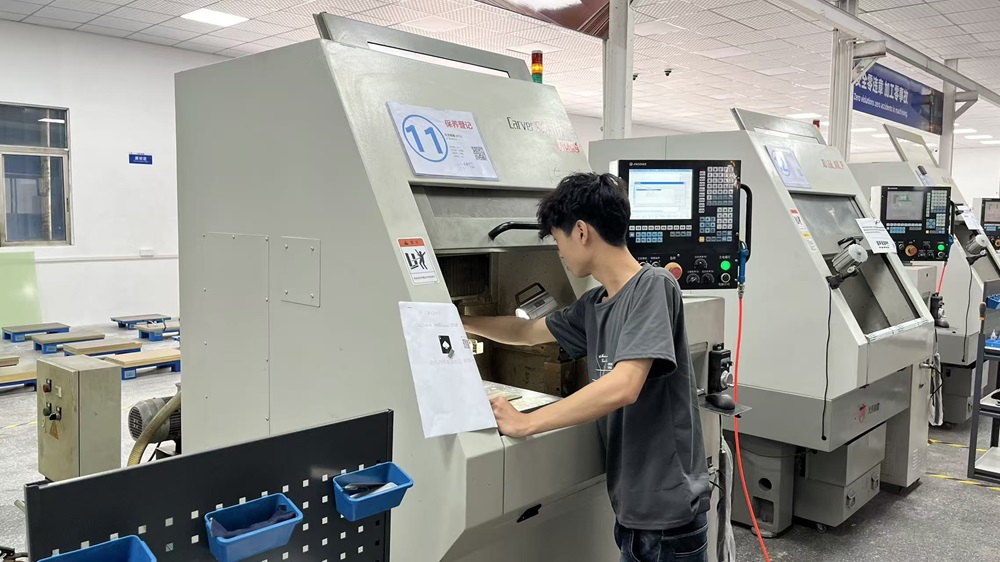
Finish Machining
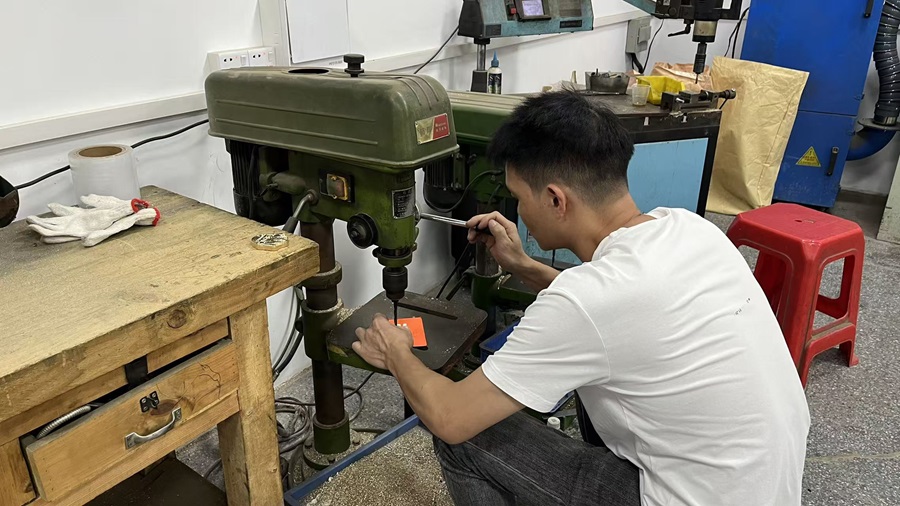
Drilling
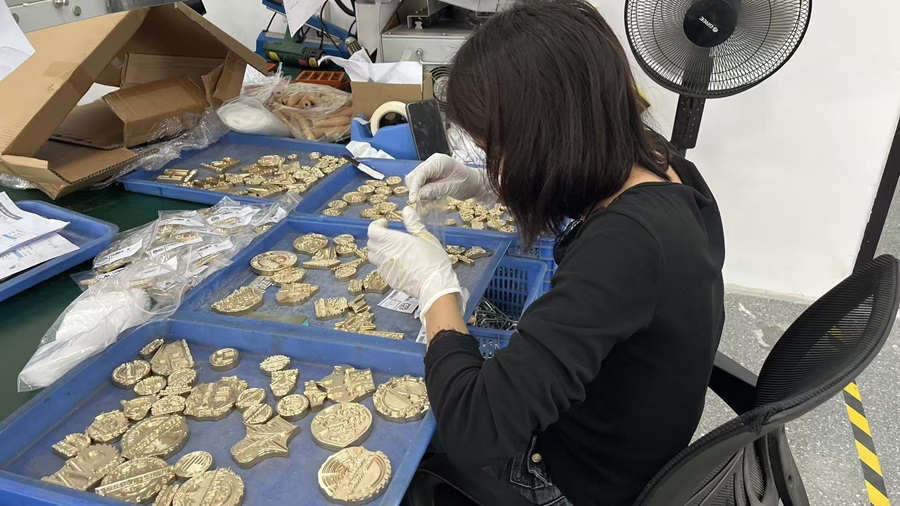
Quality Inspection
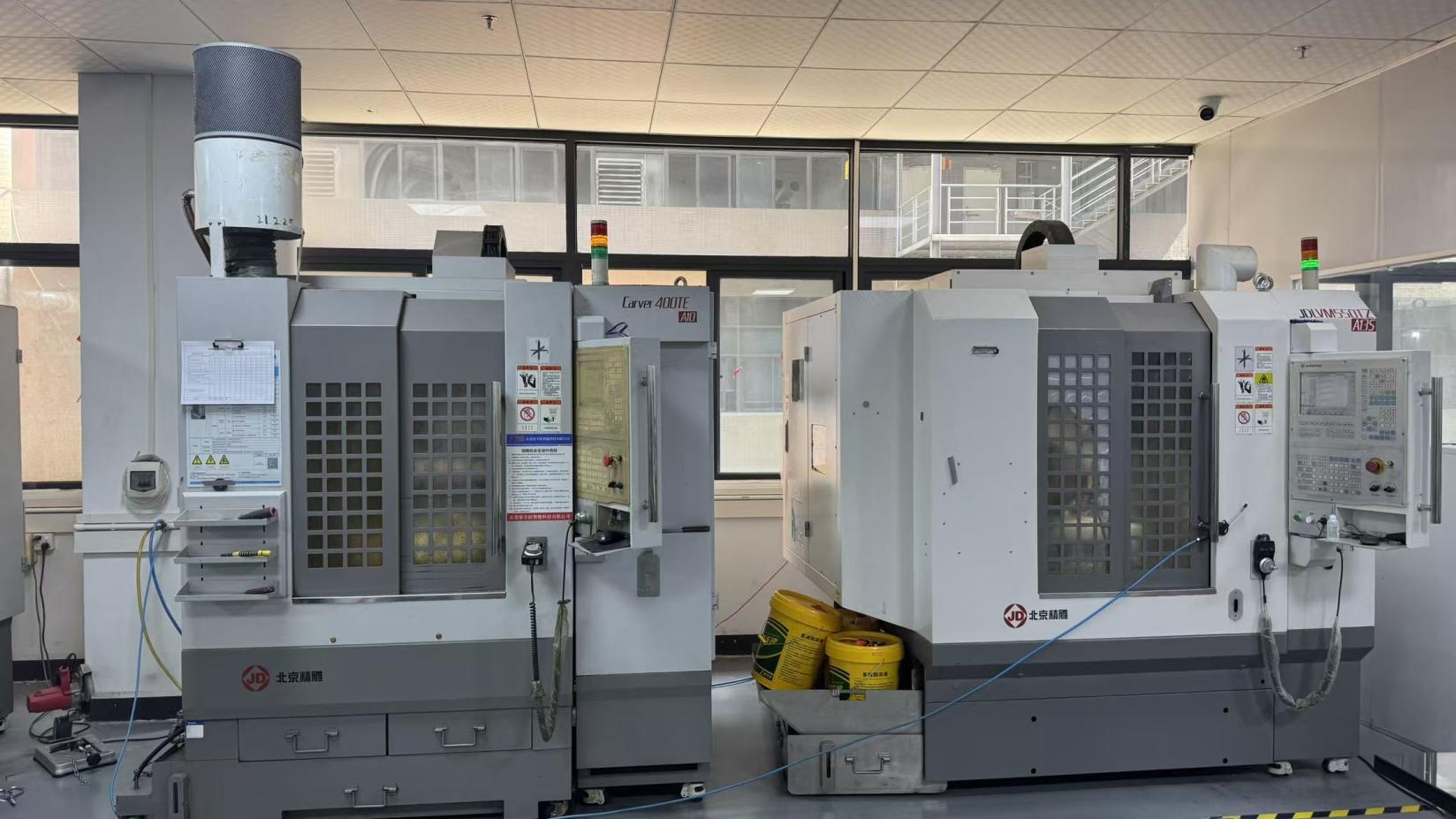
CNC Machining
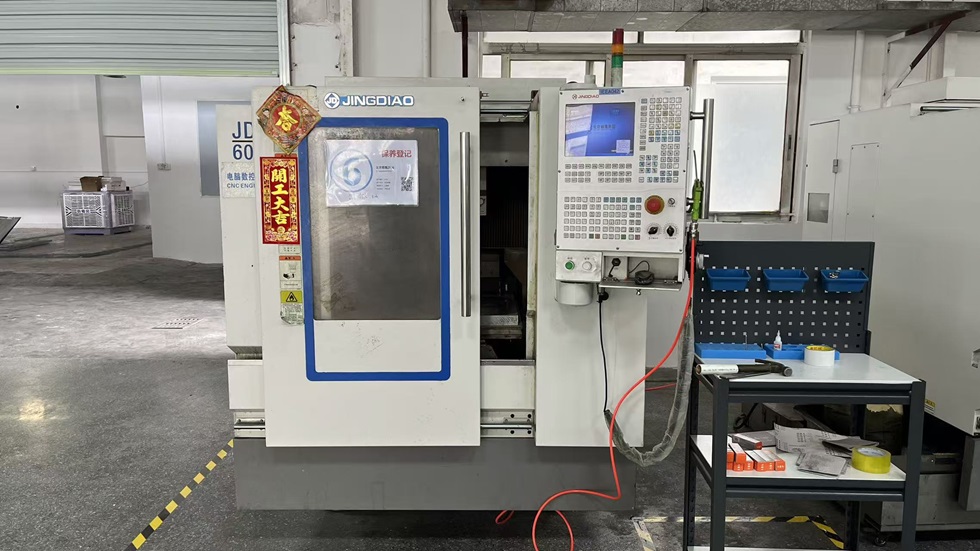
Engraving Machine
The future lies in Overmolding. Combining LSR with high-performance plastics (PA66, PBT) in a single cycle to create robust, leak-proof electronic housings.
Implementing smart sensors in molds to monitor pressure and temperature in real-time, ensuring zero-defect production for medical implants.
Scaling down to components weighing less than 0.1g for the next generation of wearable tech and minimally invasive surgical tools.
| Industry | Key Applications | Requirement Standards |
|---|---|---|
| Automotive | Connector seals, gaskets, spark plug boots, O-rings | IATF 16949, Heat resistance (-50°C to 200°C) |
| Medical | Respiratory masks, valves, syringe stoppers | ISO 13485, Class 10k Cleanroom, Biocompatibility |
| Consumer Electronics | Smartwatch bands, waterproof seals, earbud tips | RoHS, REACH, Skin-contact safety |
| Industrial Packaging | Vibration dampening, high-pressure gaskets | Chemical resistance, Long-term durability |
Navigating the complex landscape of international trade requires a partner who understands both engineering and regulation. Suzhou Ohio Machinery ensures that every mold and part exported from China complies with the destination country's legal frameworks. From REACH and RoHS in Europe to FDA compliance in the USA, our quality management system is built on the principle of "Reliability First."
Our localized support includes DFM (Design for Manufacturing) reports in English, seamless logistics coordination, and after-sales engineering support that bridges time zones, providing a frictionless procurement experience for global buyers.
LSR offers faster cycle times, automated processing (reducing labor costs), and superior precision for complex geometries compared to traditional compression molding of HCR.
We use high-grade imported mold steels (such as S136 or H13) and apply advanced surface treatments to resist the abrasive nature of certain additives, ensuring hundreds of thousands of cycles.
Yes, we specialize in multi-component mold design, which allows for the chemical or mechanical bonding of silicone to various thermoplastics in a single manufacturing cell.
Depending on complexity, prototype molds can be delivered in 2-3 weeks, while high-cavitation production molds typically take 6-8 weeks, including full T1 sampling.
 Ohio Machine