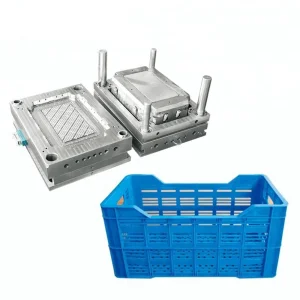
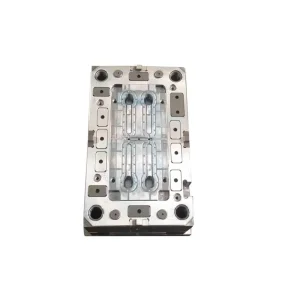
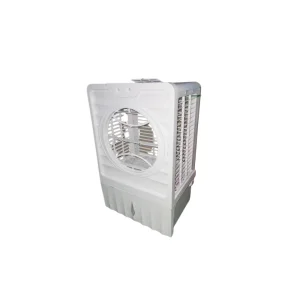
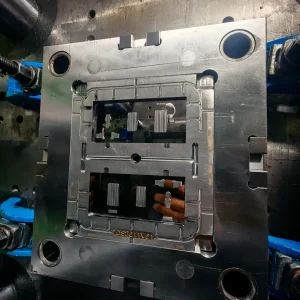
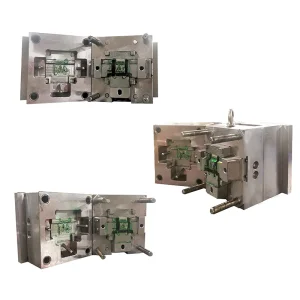
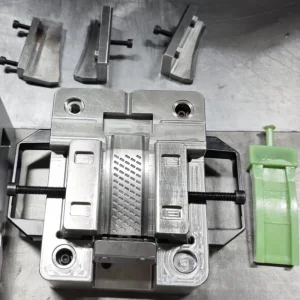
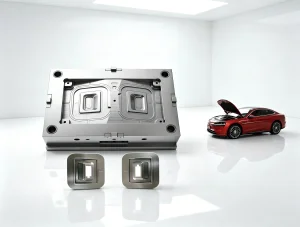
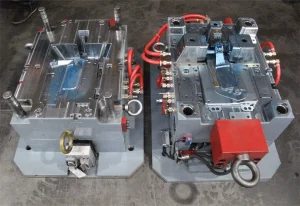
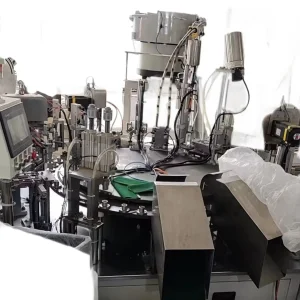
Advanced tooling, injection molds, and structural components manufactured under stringent tolerances to assure deployment-readiness.
Suzhou Ohio Machinery Co., Ltd. is a premier manufacturing hub and technical authority specializing in high-precision aerospace molds, complex machinery components, and customized tooling solutions. Positioned within the high-technology manufacturing cluster of Suzhou, China, we leverage a world-class manufacturing ecosystem to serve global markets, specializing in critical subassemblies, interior cabin elements, and aero-engine structural components.
Our state-of-the-art facility integrates core R&D with advanced precision machining, producing tooling systems that satisfy strict mechanical tolerance thresholds. From aerospace composites to advanced metal castings, our production paradigms utilize premium domestic and imported tool steels, including hot-work, cold-work, high-speed, and specialized alloy matrices. Backed by rigorous quality management frameworks and an agile engineering configuration, we optimize supply chains to build resilient pathways for our global tier-1 aviation partners.
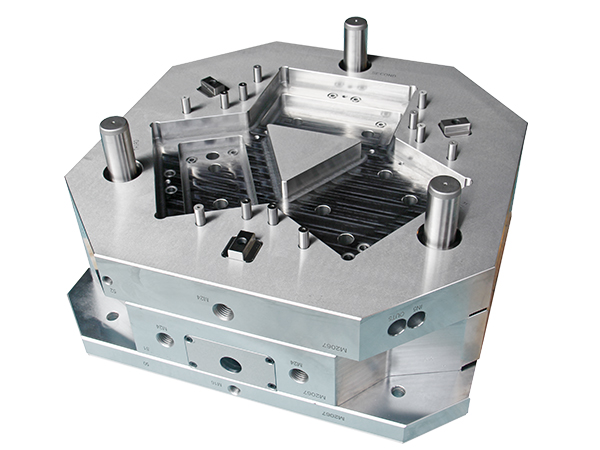
A visual breakdown of our operations, quality standards, and technical achievements.
How we address structural engineering requirements, weight reduction challenges, and critical manufacturing requirements for next-generation aviation platforms.
Our solutions for internal structural partitions, ducting, overhead bins, and flight deck consoles require high-performance thermoplastics. By utilizing specialized resins (such as ULTEM, PEEK, and glass-filled polycarbonates), we manufacture components that offer structural integrity and weight reduction without sacrificing fire, smoke, and toxicity (FST) compliance.
For engine blades, stators, and compressor housings, we design single-blade and multi-blade tooling solutions for casting. Using high-conductivity hot-work steel configurations, we ensure uniform thermal gradients during casting solidification, reducing voids, crack propagation, and structural fatigue in high-stress engine parts.
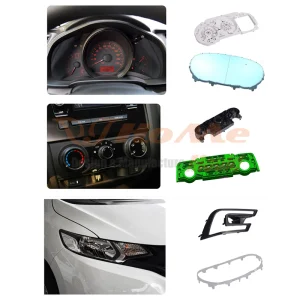
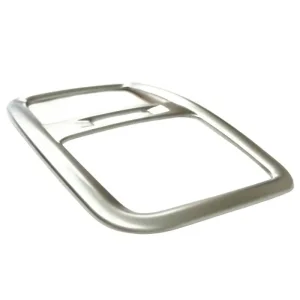
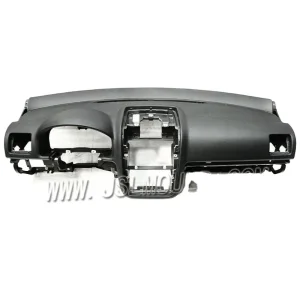
Leveraging our extensive automotive interior trim injection molding experience (under PPAP III protocols with SPI A2 finishes), we apply Class-A surface finish methodologies to commercial airliner cabin components, ensuring high-quality aesthetics alongside structural resilience.
"Precision in aerospace molding is not just about keeping dimensions in check. It's about how raw material matrices behave under stress. By implementing multi-zone heat controls and proprietary mold flow analysis, we lock in polymer structures, eliminating internal knit lines and residual stress concentrations that could compromise component integrity at high altitudes."
A decadal view of how Suzhou Ohio Machinery integrates next-gen materials, smart sensors, and green chemistry into aerospace tooling systems.
Traditional structural components in aerospace are shifting away from milled aluminum toward carbon-fiber-reinforced polyetheretherketone (PEEK) and polyphenylene sulfide (PPS). Our tooling designs incorporate ultra-high-temperature oil heating channels (capable of running up to 220°C) to facilitate proper polymer crystallization during molding, ensuring structural strength and thermal stability.
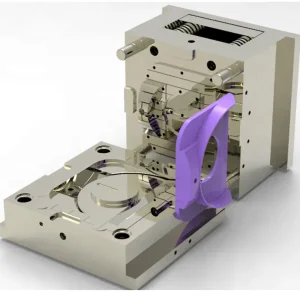
By leveraging additive manufacturing (3D metal printing) to insert conformal cooling channels directly into complex mold cores, we reduce thermal delta across the cavity to less than 2°C. This eliminates thermal warping, optimizes dimensional stability, and yields a cycle-time reduction of up to 35% compared to straight-drilled cooling systems.
In response to global sustainability initiatives, we are expanding our research into biodegradable paper pulp and packaging molds. This technology is applied to protecting precision instrument modules during transit, replacing single-use expanded plastics with high-strength, eco-friendly molded fibers.
Step-by-step transparency from engineering design and multi-axis CNC machining to final CMM verification and logistics dispatch.
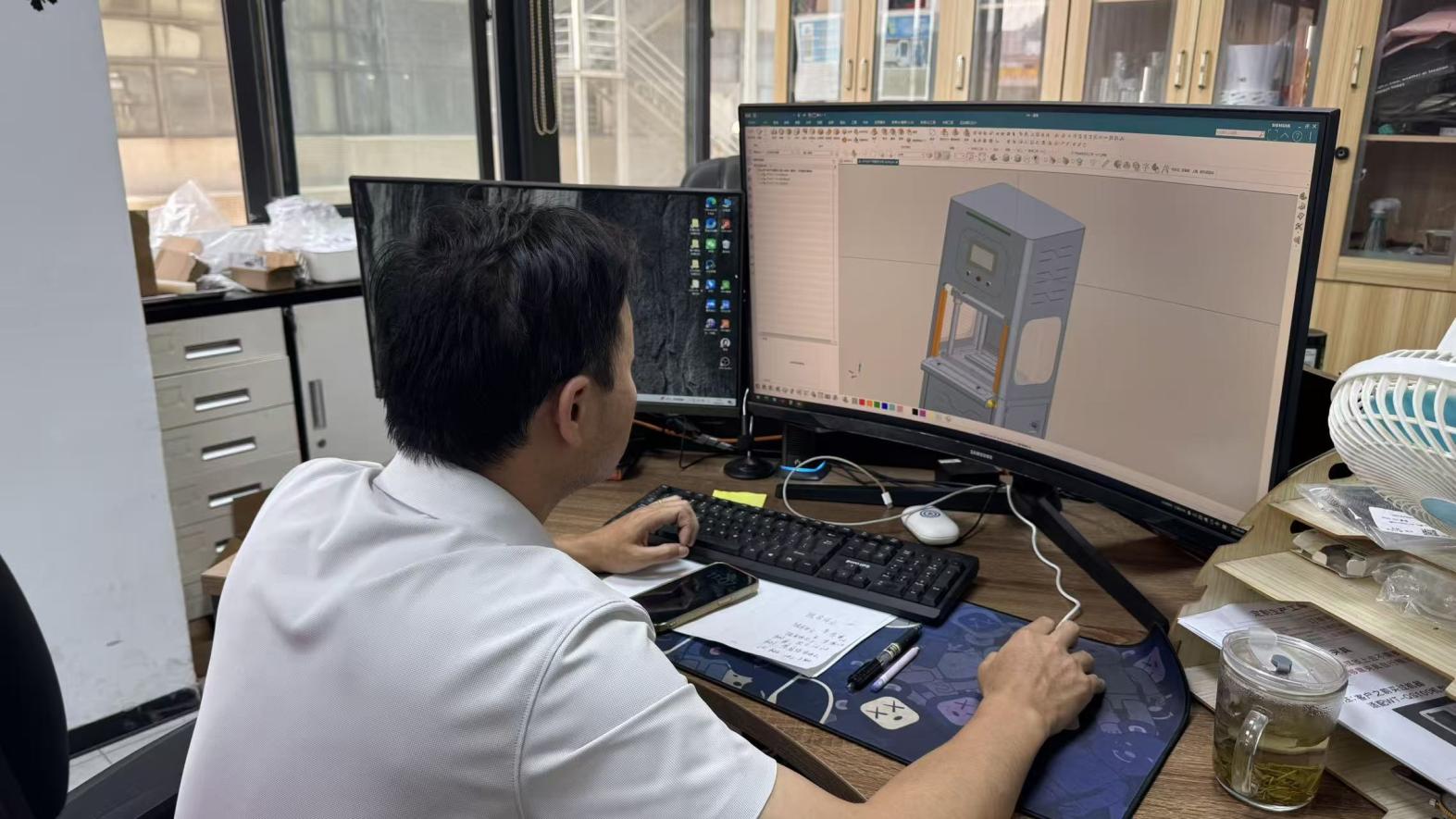
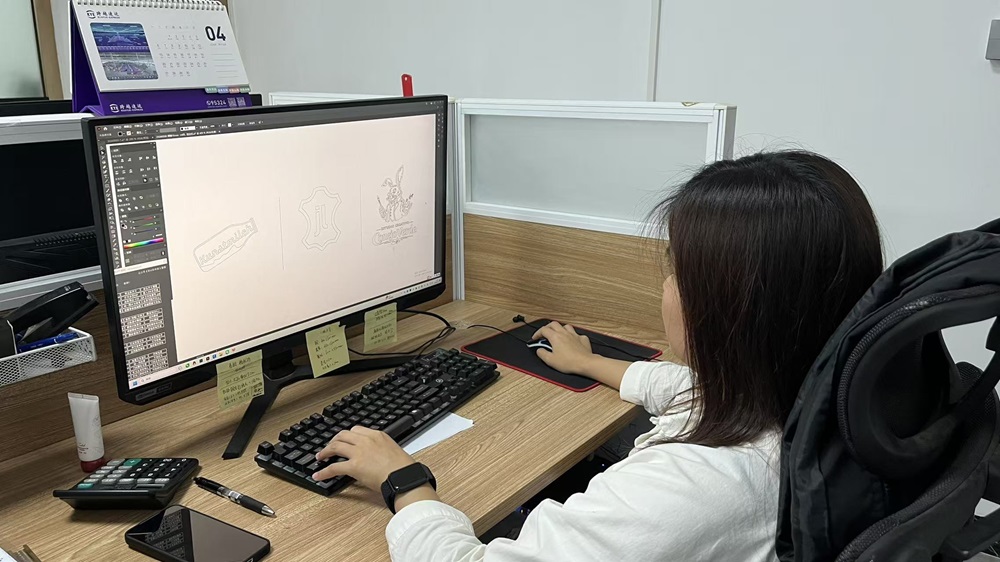
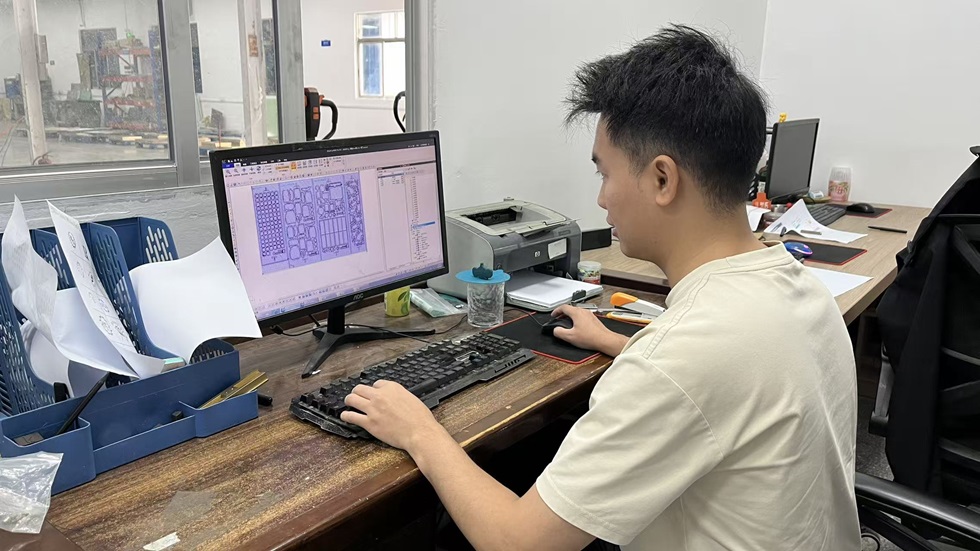
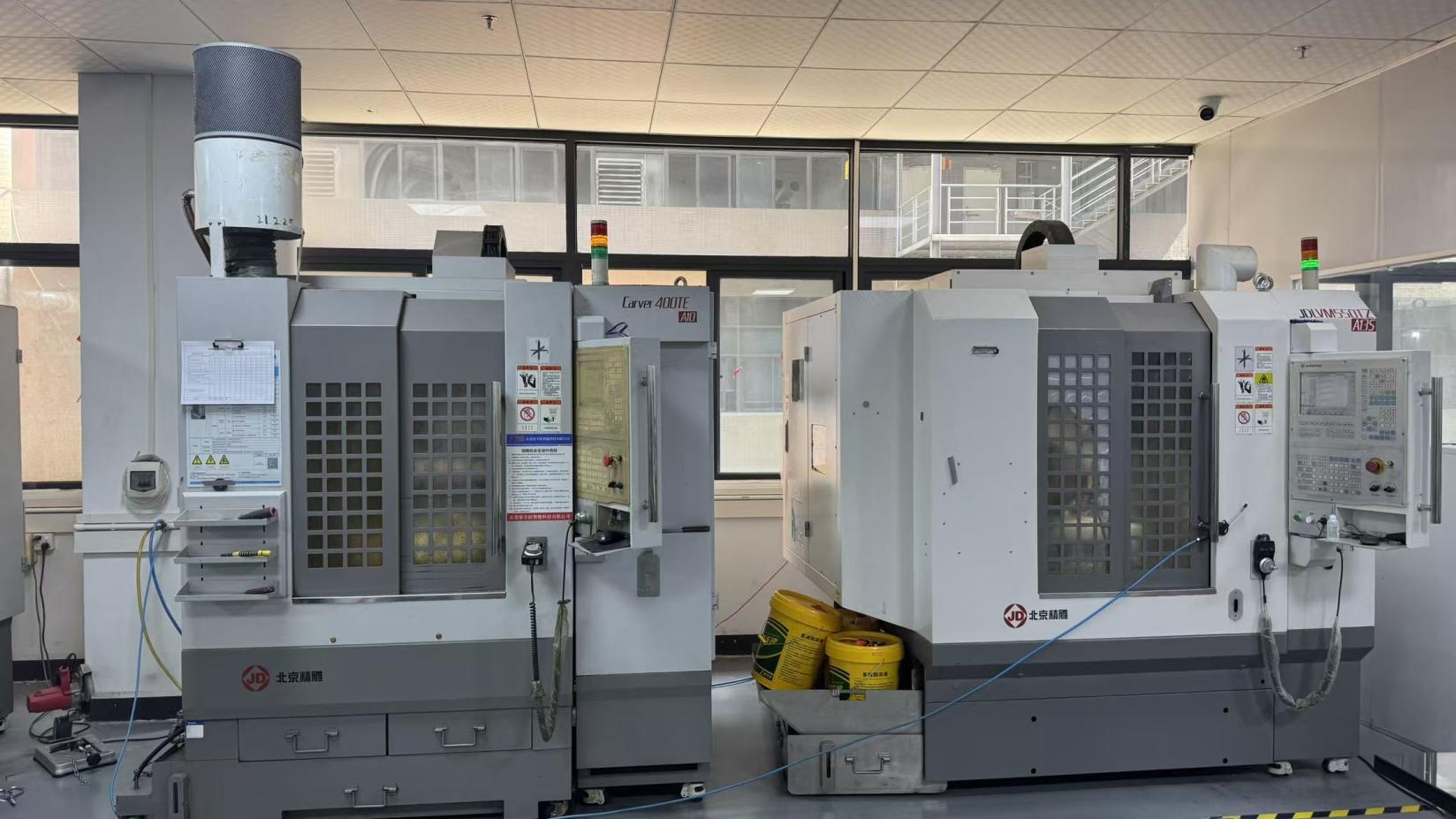
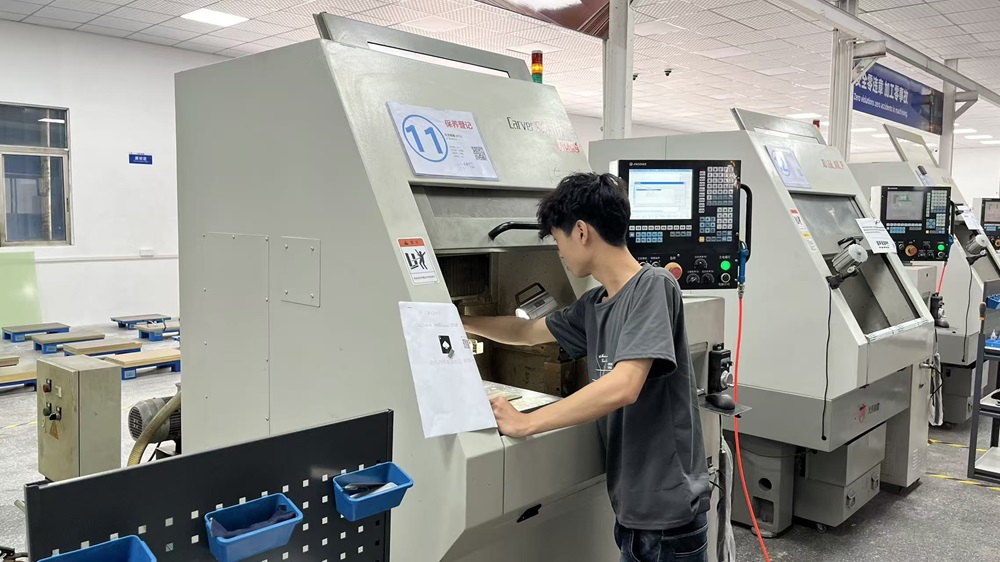
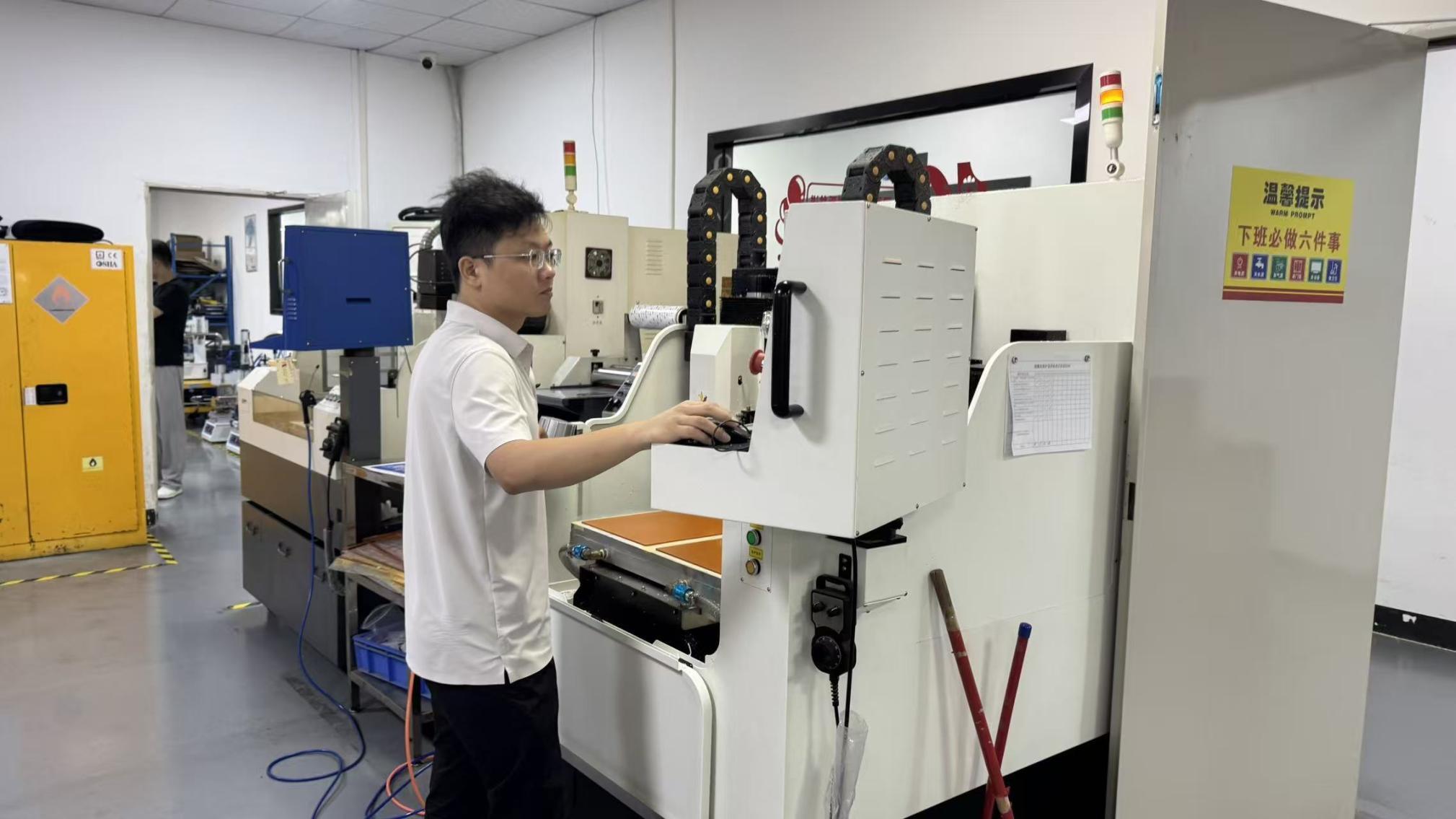
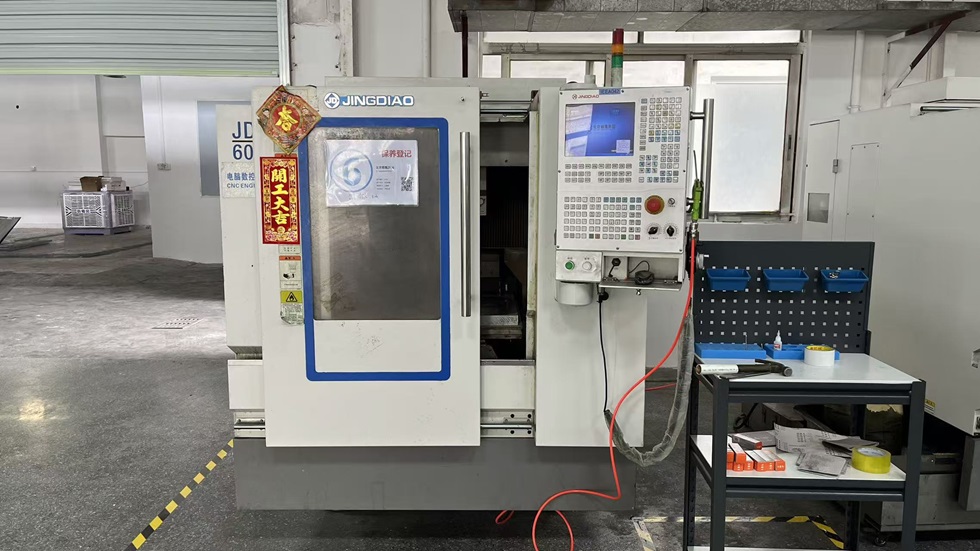
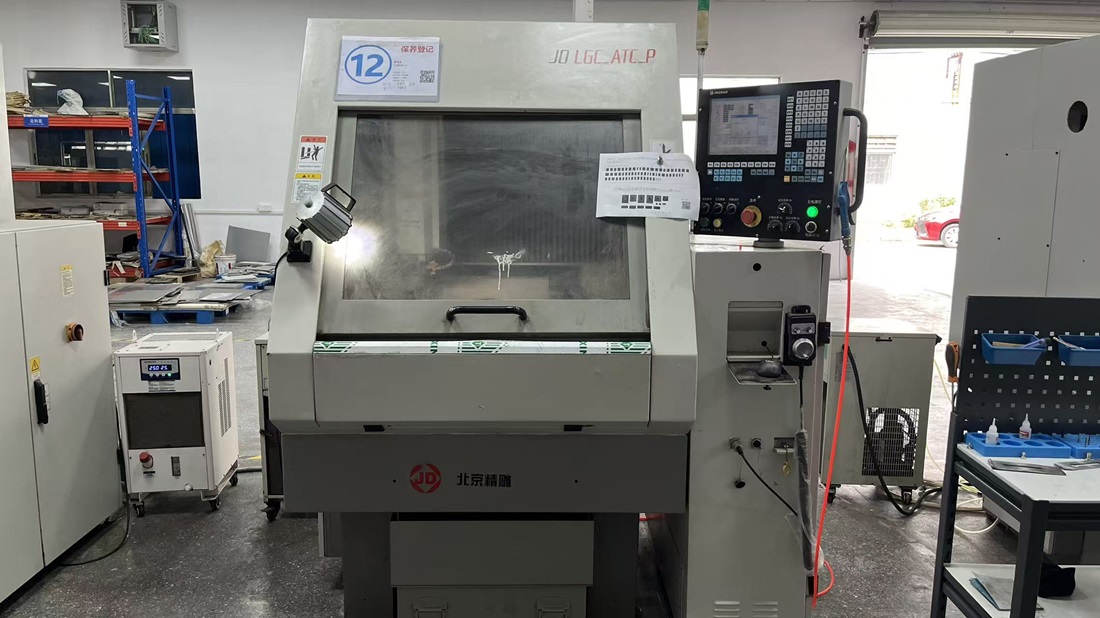
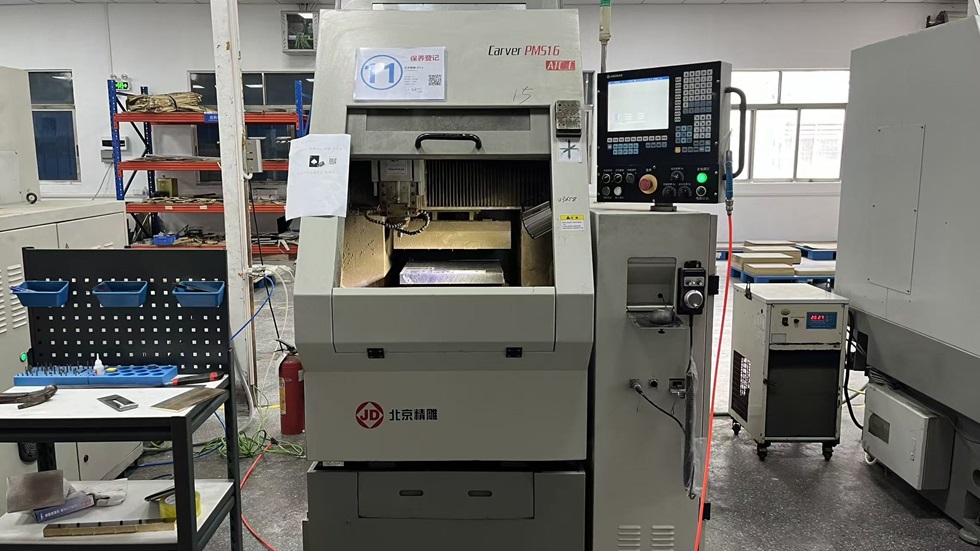
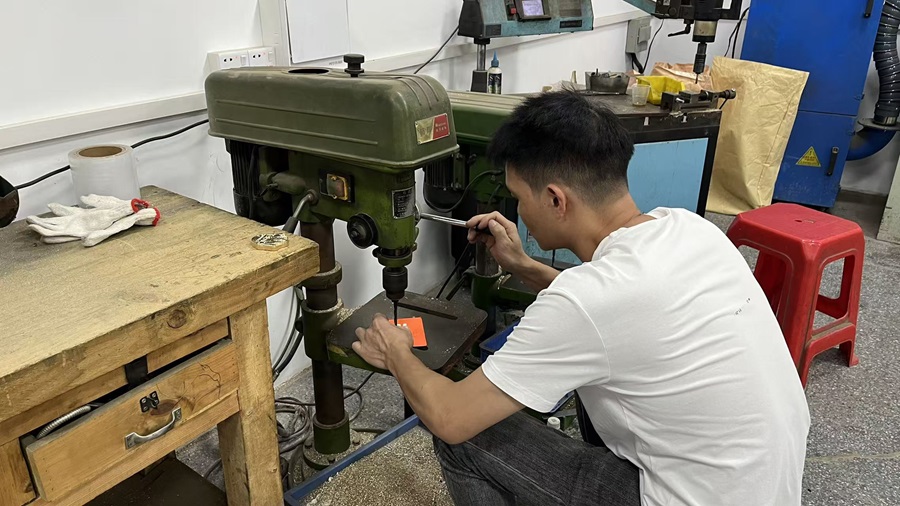
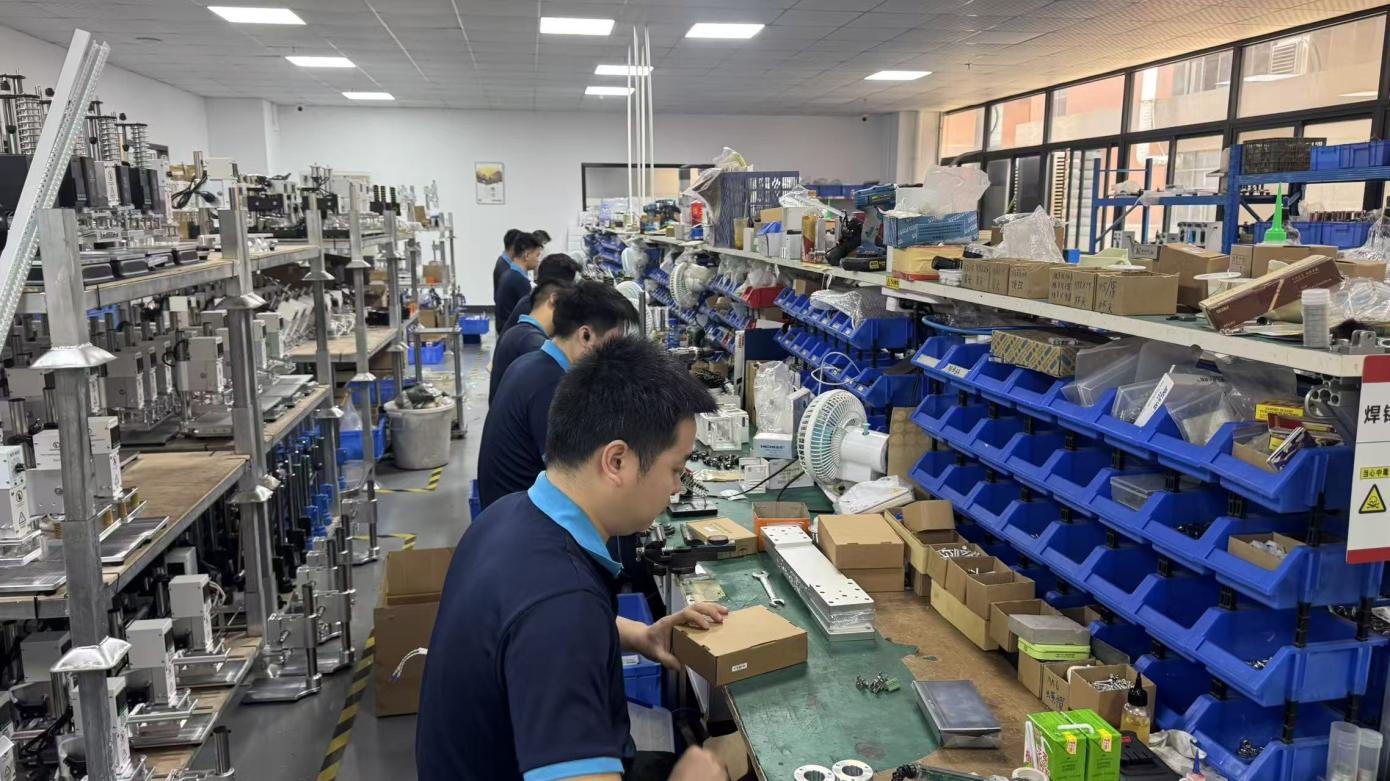
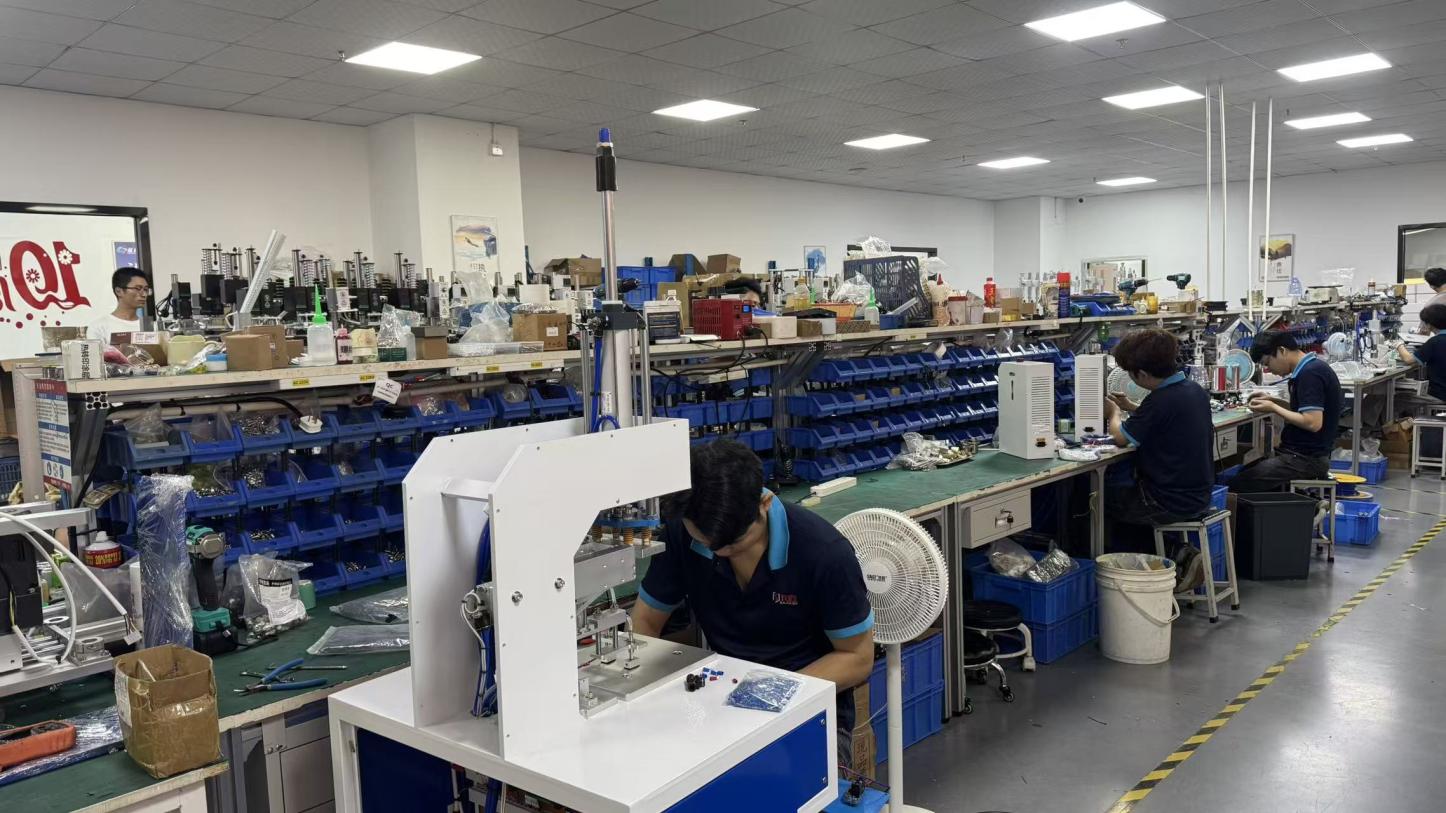
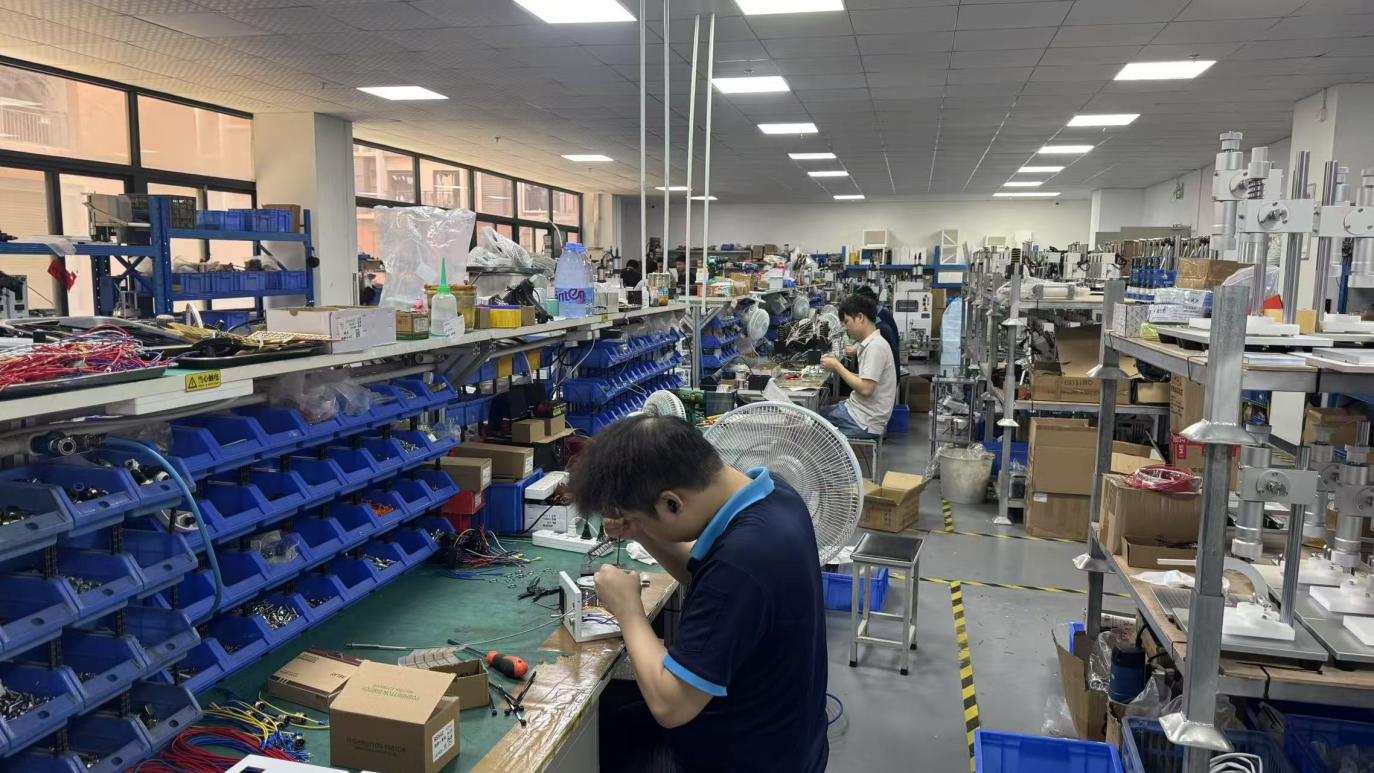
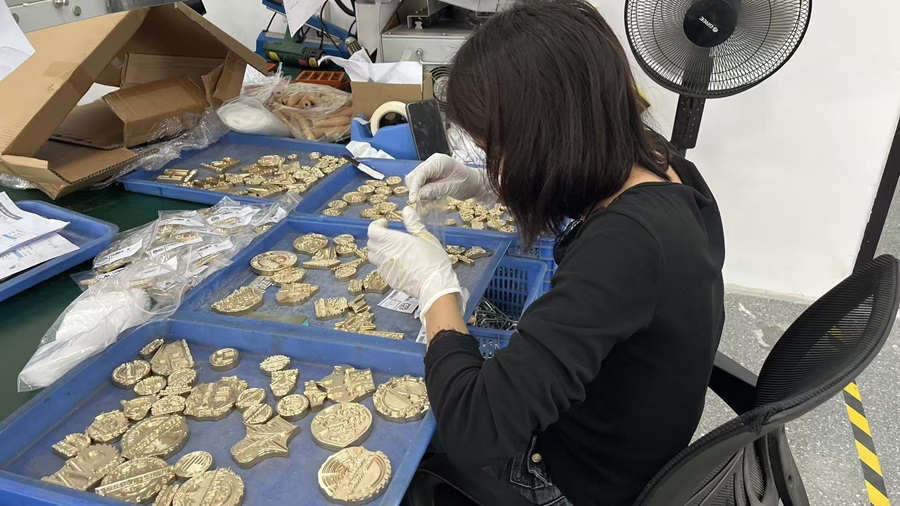
Our Suzhou facility integrates these fourteen distinct cells into an optimized Factory 4.0 data loop. When an order is placed, CAD data flows from our design team directly to the programming and multi-axis CNC cells. Progress is tracked digitally, ensuring dimensional verification before components proceed to the final assembly bays. This integrated workflow helps prevent production bottlenecks and guarantees consistent mechanical tolerances.
Ensuring compliance with international engineering standards and offering localized support for seamless deployment.
Every mold base and custom component fabricated by Suzhou Ohio Machinery includes mill test certificates (MTC). Whether utilizing domestic specialty steels or imported grades (e.g., ASSAB, Bohler, or Daido), we guarantee absolute material classification, surface hardness consistency, and heat-treatment logs (including vacuum quenching and tempering protocols).
We manage regulatory documentation, custom clearing protocols, and secure shipping configurations to streamline international logistics. We also provide remote commission support, local tooling adjustments, and localized mold-maintenance consulting through our network of global partners, minimizing production downtime.
Find answers to technical and operational questions regarding our aerospace and automotive-grade tooling processes.
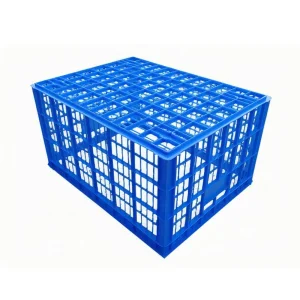
Explore our secondary lineup of precision molds, ranging from office equipment enclosures to high-volume cosmetic and daily commodity packaging solutions.
 Ohio Machine