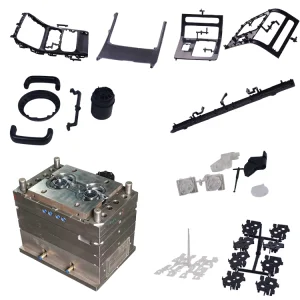
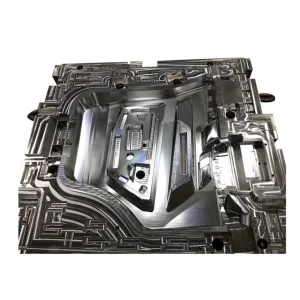
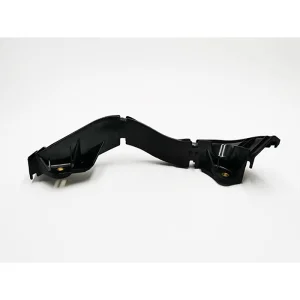
Explore our primary injection molding and custom tooling solutions engineered to meet the strict quality standards of Latvia’s industrial markets and global automotive OEMs.
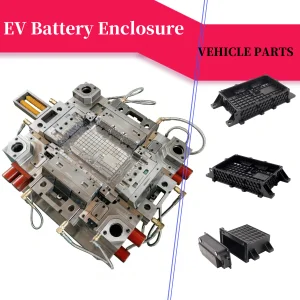
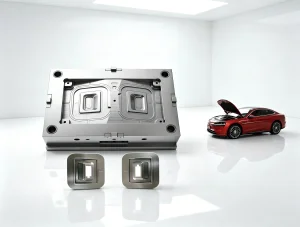
As Northern Europe undergoes a significant transition toward sustainable mobility, Latvia has established itself as an essential logistics, engineering, and sub-assembly hub for the Baltic and Scandinavian automotive markets. Working under the framework of the Association of Mechanical Engineering and Metalworking Industries of Latvia (MASOC), Latvian businesses are increasingly securing contracts as Tier-2 suppliers for European automotive OEMs.
This localized supply chain demands advanced manufacturing solutions, particularly for high-precision automotive interior molds. Trim assemblies, console surrounds, and complex air vent geometries must endure extreme seasonal shifts in the Baltic climate. Consequently, Latvia-based automotive molders demand tools that deliver excellent thermal stability, tight dimensional control, and reliable class-A surface finishes.
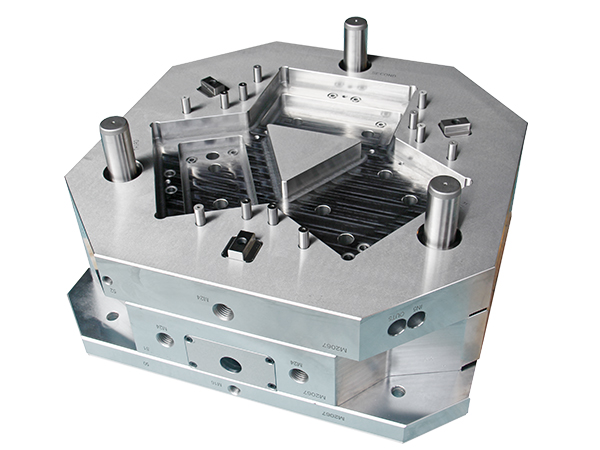
Achieving structural integrity and aesthetic consistency in passenger cabins requires deep expertise in plastic injection mold mechanics. Standardized injection tool designs are optimized for specific mechanical properties to ensure defect-free molding on the production floor.
Utilizes H13 or 1.2344 ESD steel inserts. Optimized for heat-resistant PC-ABS polymers, ensuring flash-free shutoffs and uniform wall-thickness distribution across critical dimensions.
Designed with Hot Runner multi-drop gating systems to eliminate weld lines. Engineered for class-A SPI A2 surface finishes to prevent visual defects in high-visibility cabin locations.
Equipped with lifters and sliding core mechanisms. Uses optimized ejection layouts for large-surface components, reducing the risk of structural warping during fast cycle runs.
Beyond standard plastic injection systems, our specialized engineering capabilities extend to advanced alternative structures. This includes Aluminum Die-Casting Molds for Automotive Interior components, supporting lightweight, high-rigidity structural inserts, roof framing, and dash reinforcements that require structural metal alloys behind modern plastic cladding.
From conceptual CAD engineering and moldflow simulations to multi-axis CNC machining, assembly, and CMM dimensional testing, our manufacturing processes are executed to industry-leading standards.
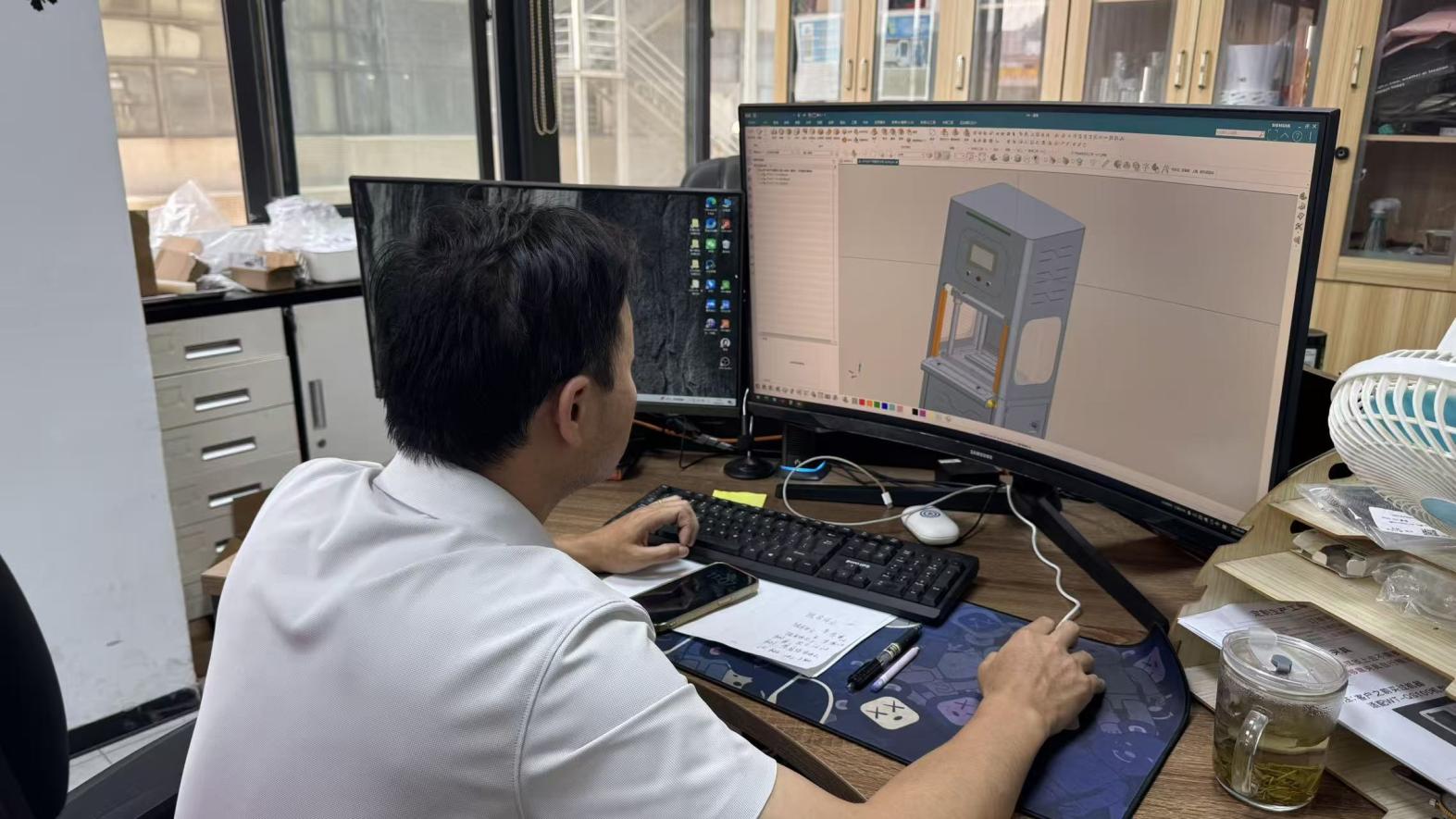
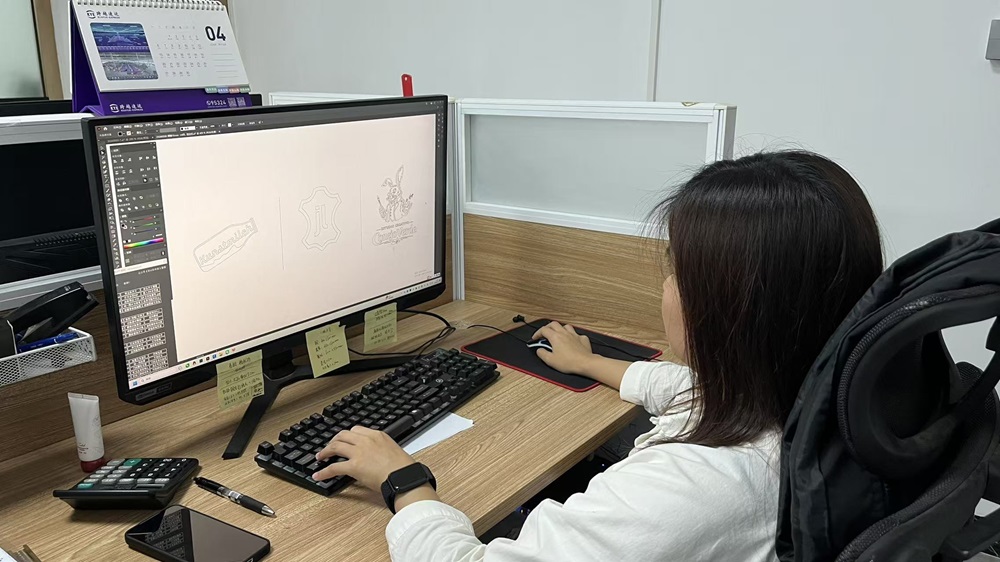
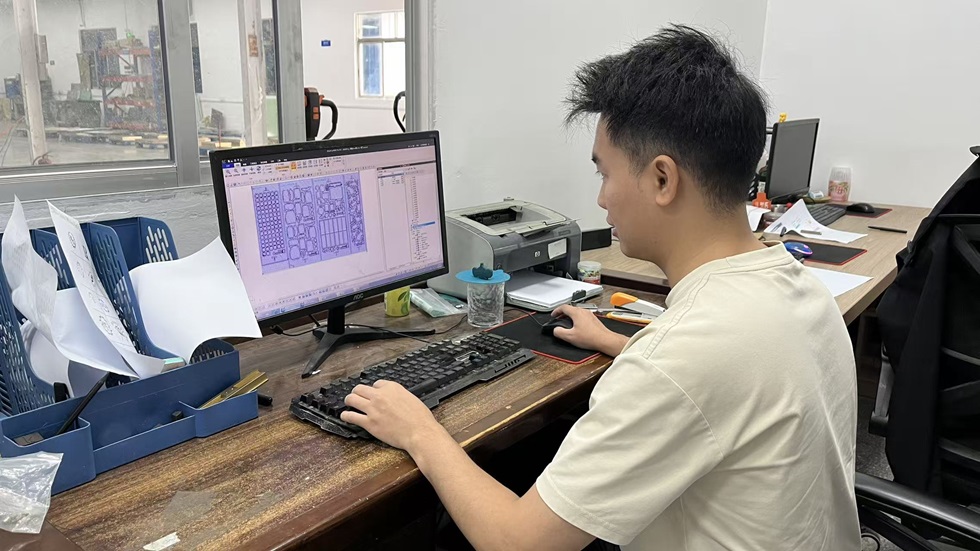
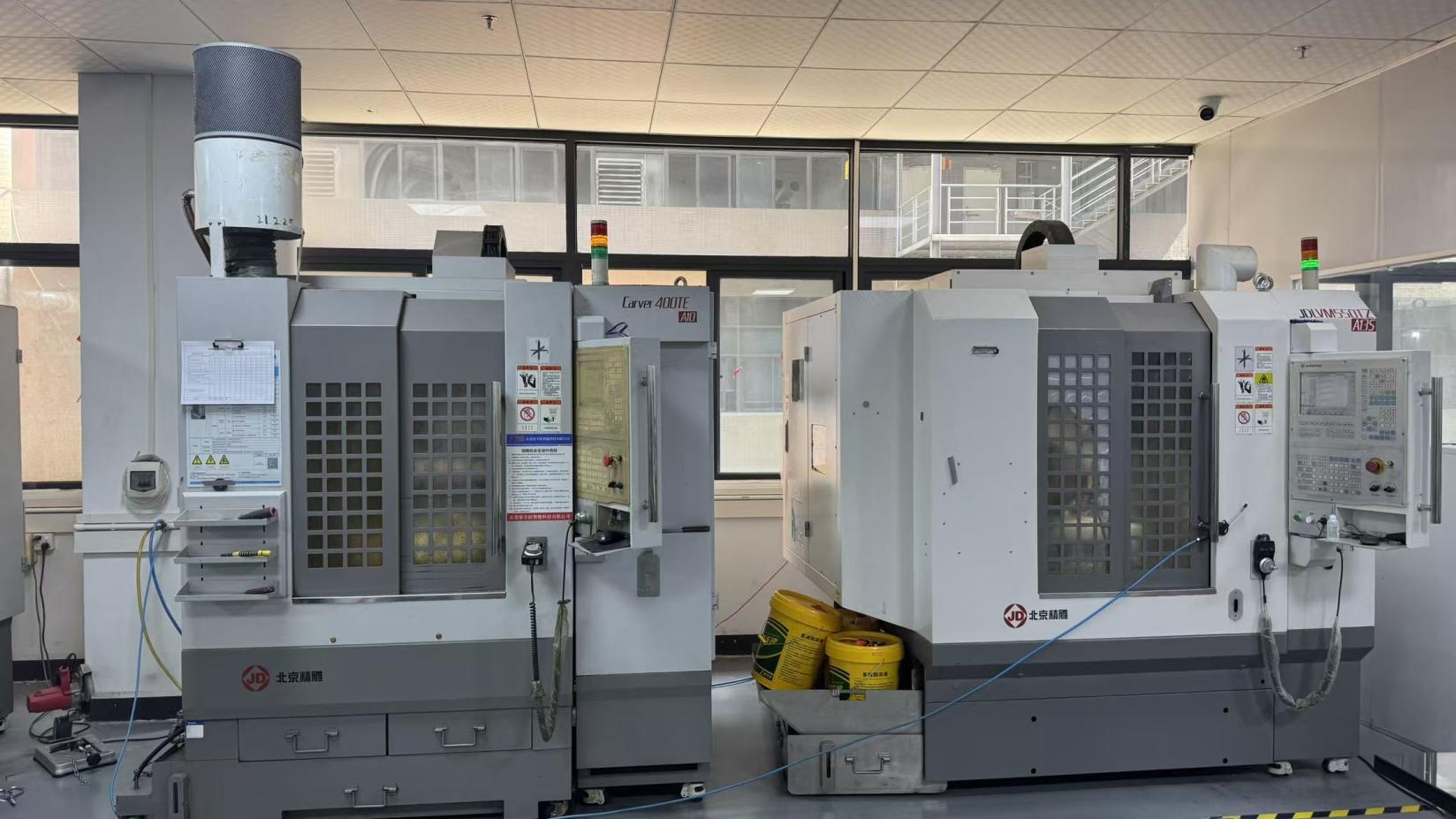
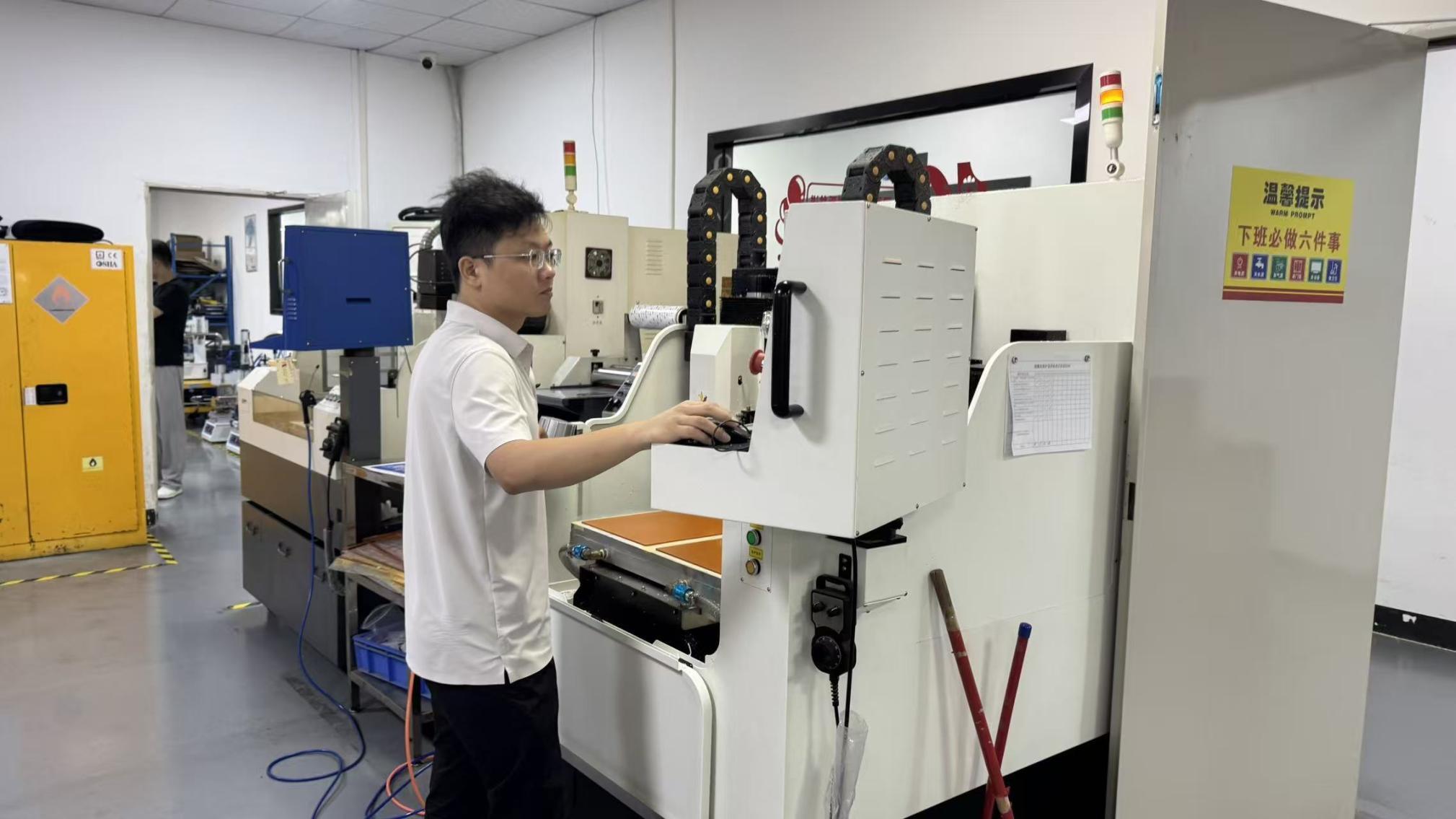
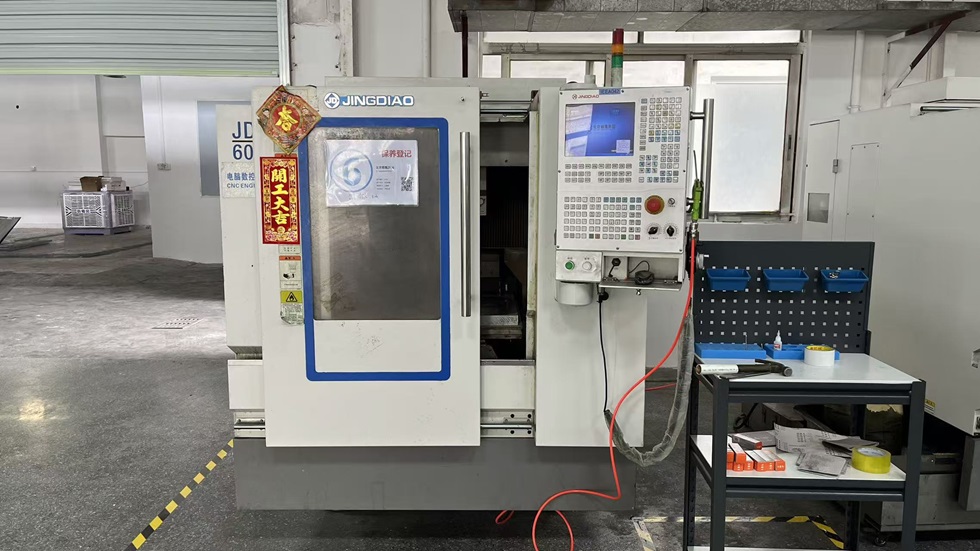
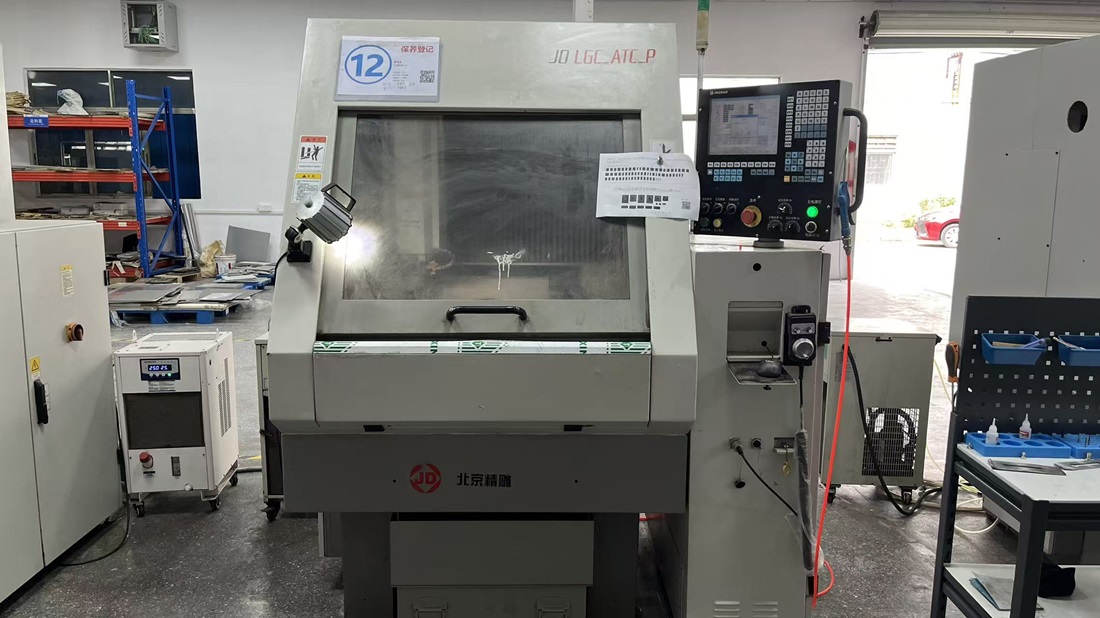
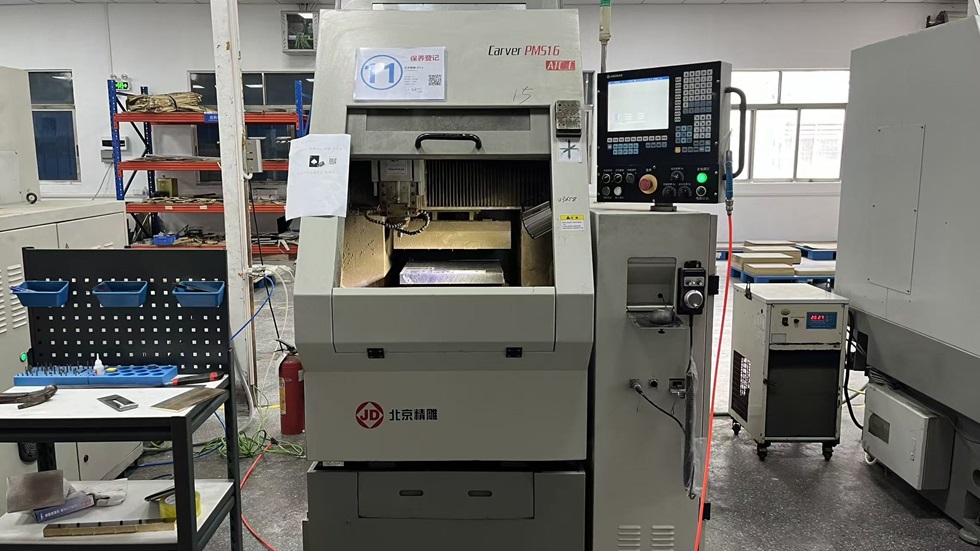
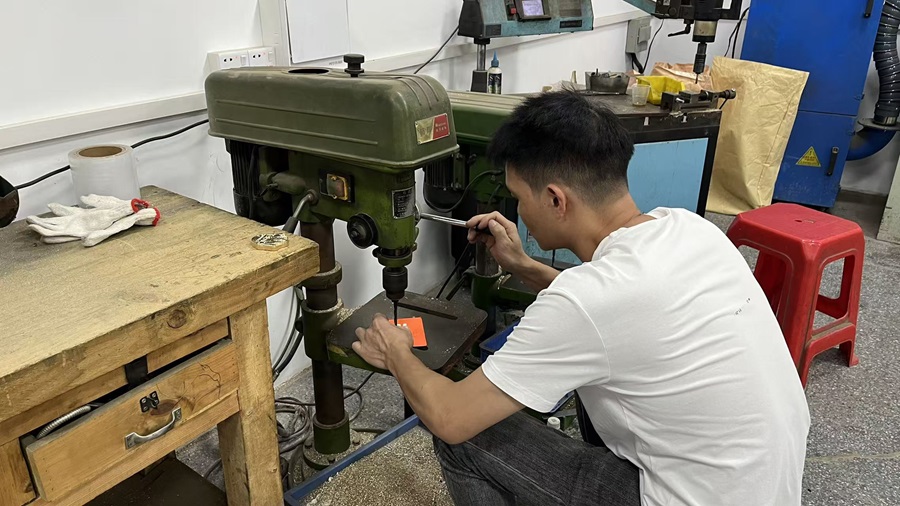
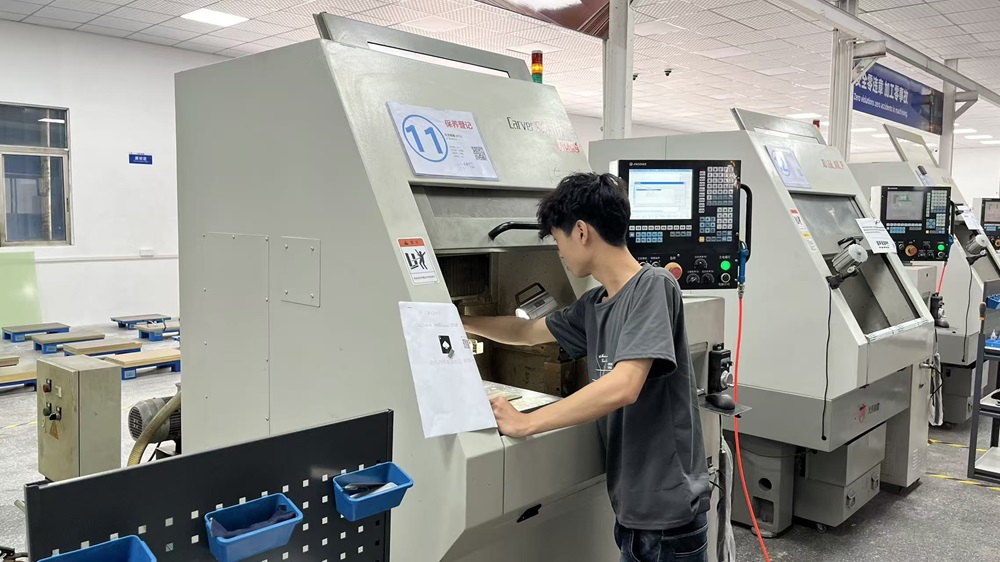
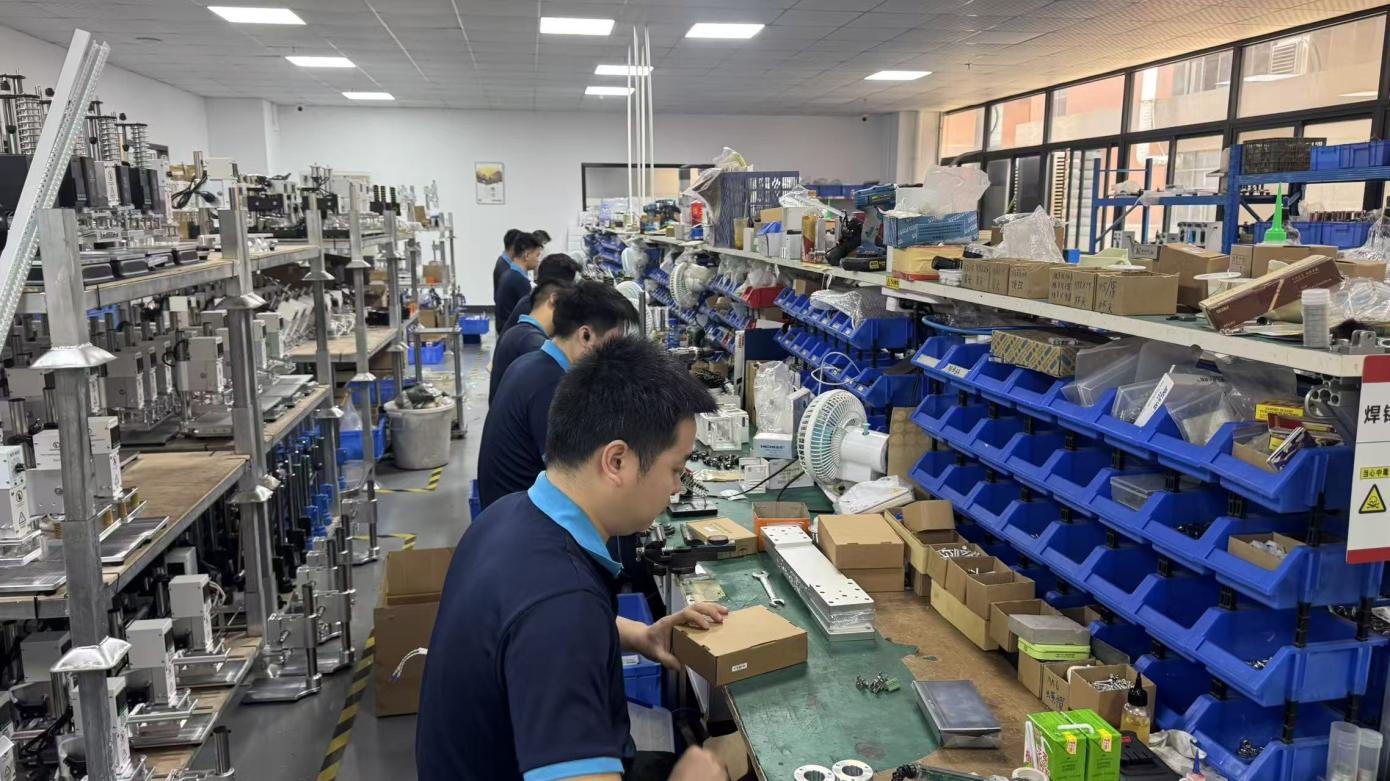
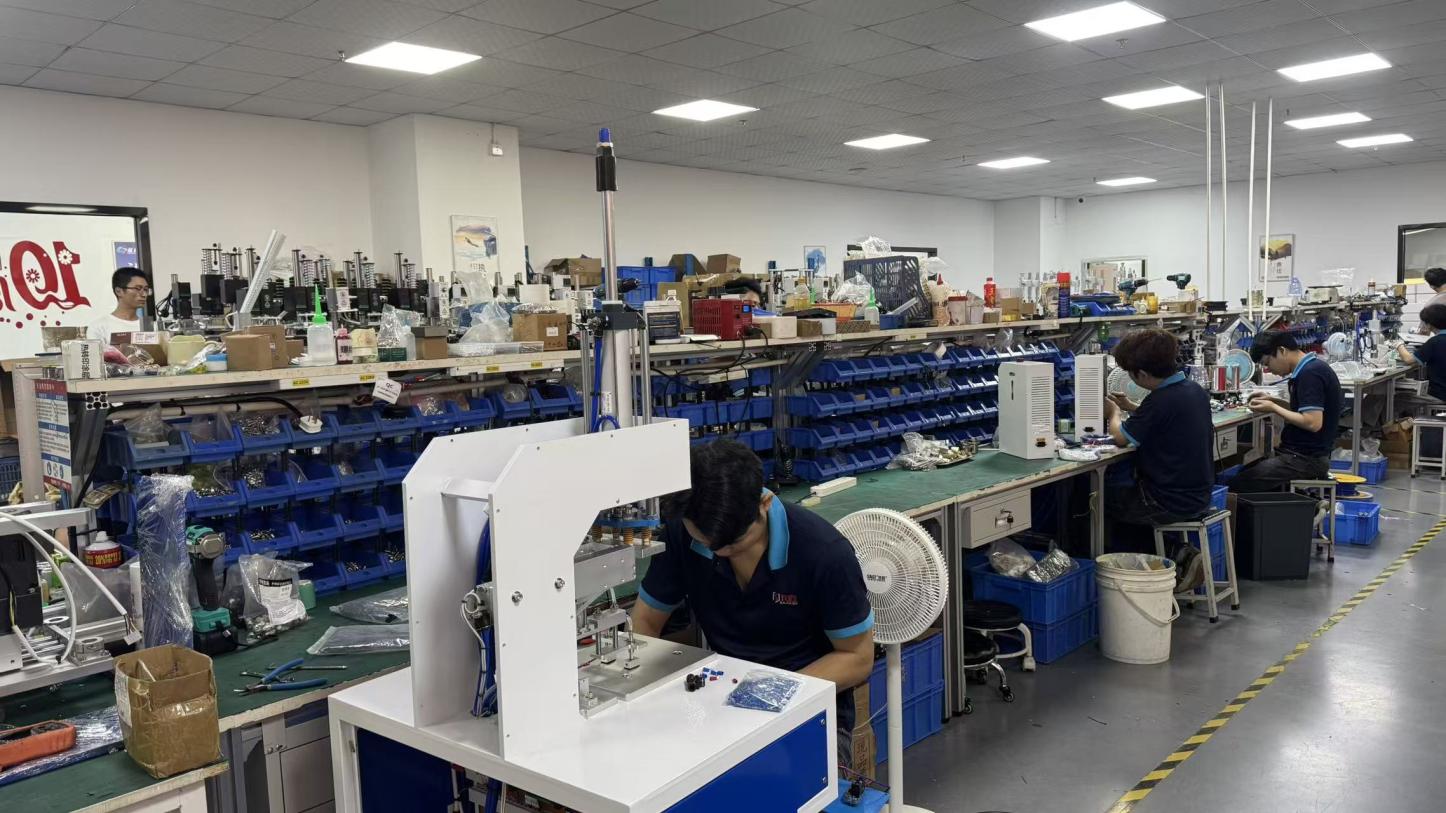
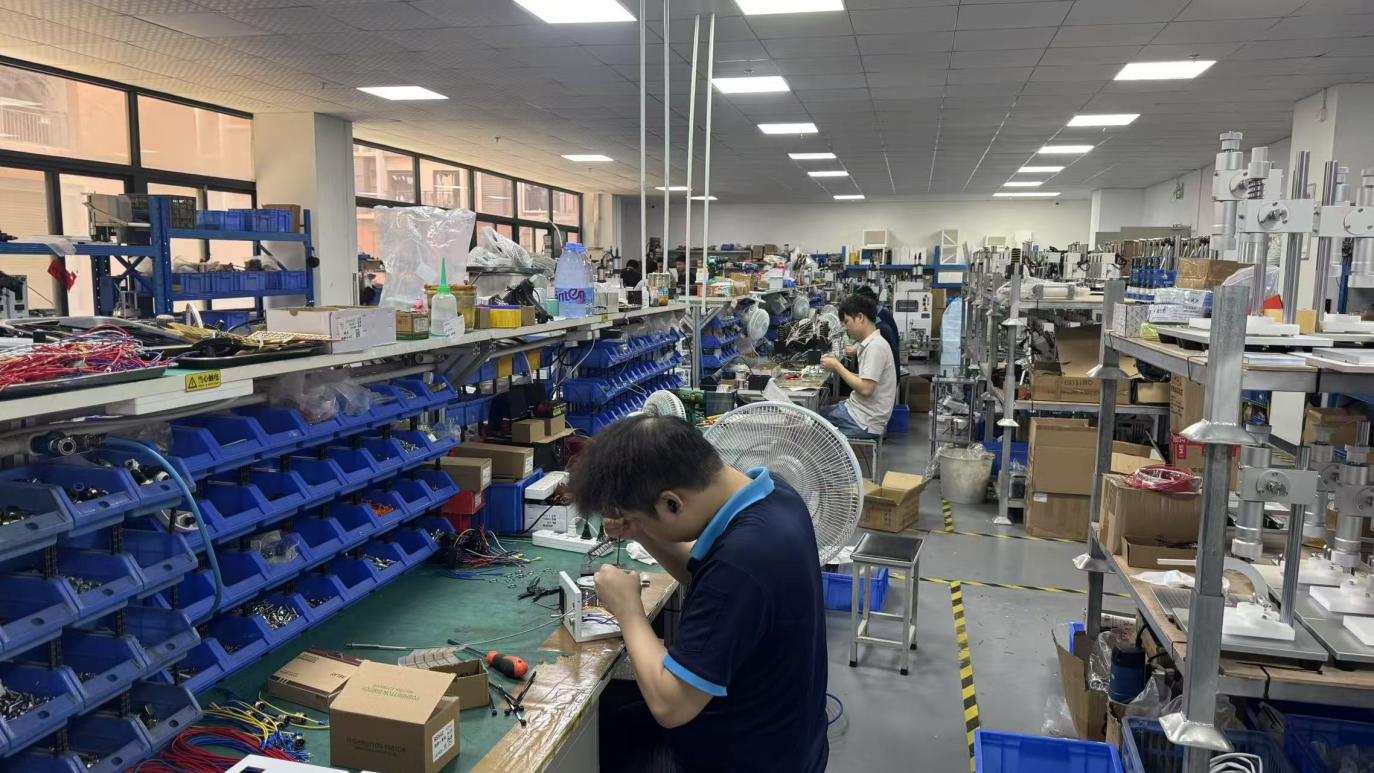
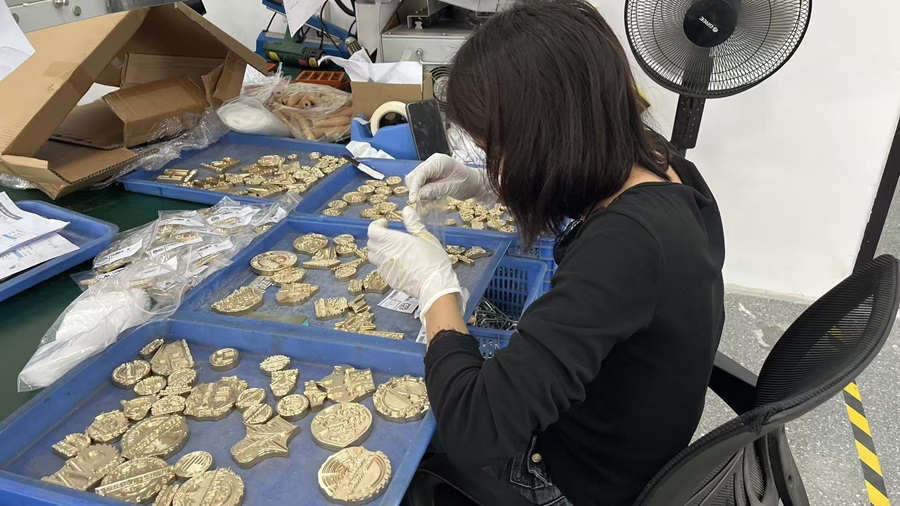
Managing capital expenditures while maintaining strict precision is a primary challenge for Baltic plastic injection molders. Purchasing high-precision tools directly from our Suzhou factory offers a proven way to reduce costs without compromising on engineering quality.
Suzhou Ohio Machinery Co., Ltd. sits in the heart of China’s most advanced manufacturing region. We combine decades of industrial mold-making experience with access to specialized raw materials, cutting-edge CNC equipment, and reliable logistics. This integration enables us to provide cost-effective tooling solutions without sacrificing performance.
For our clients in Latvia, our logistics network utilizes express ocean and rail links. These shipping options ensure fast transit times to Riga, Ventspils, or Liepāja, allowing you to seamlessly integrate our tools into your production schedules.
Automotive design is shifting rapidly toward electric powertrains and interactive, digitalized cabins. In response, our mold manufacturing services are evolving to support the next generation of interior components. We work closely with our partners to implement technologies that address weight reduction, smart feature integration, and environmental sustainability.
Modern vehicle interiors require components that integrate structural support with soft-touch, aesthetic outer skins. Our multi-material injection molds allow you to co-inject rigid glass-reinforced carriers with TPU, TPE, or fabric overmolds in a single production step, reducing assembly times and material waste.
Weight reduction remains a critical design focus for electric vehicles to maximize range. We build molds optimized with gas-assist and microcellular foaming channels, allowing you to manufacture structural door cards and dashboard carriers that are up to 20% lighter than standard solid-wall parts.
Sustainable design is a core requirement under EU automotive regulations. Processing recycled resins or natural fiber-filled polymers requires specialized mold ventilation and wear-resistant cavity coatings. Our tooling designs incorporate optimized cooling layouts and corrosion-resistant steel grades to handle these abrasive, eco-friendly materials.
Review our full portfolio of precision molds, engineered to support high-volume manufacturing runs for both structural interior parts and decorative cabin trims.
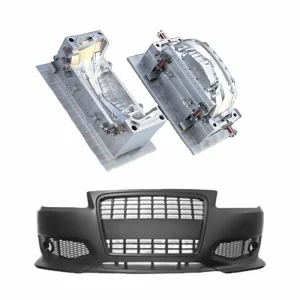
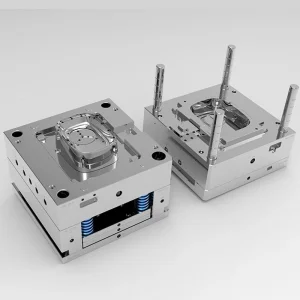
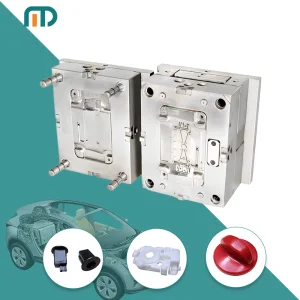
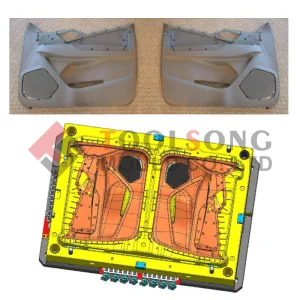
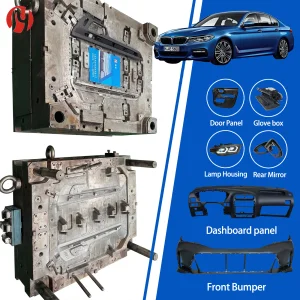
We ensure full compliance with European manufacturing regulations to support seamless integration into your local production lines. Our quality procedures are aligned with EU directives, ensuring the safety, longevity, and high performance of all delivered tooling.
Frequently asked questions regarding international engineering specifications, mold lead times, and logistics support for Baltic B2B buyers.
We implement strict quality control procedures throughout our design and manufacturing processes. For every automotive mold order, we supply full PPAP Level 3 documentation, including moldflow analysis reports, material certificates, steel heat treatment records, dimensional verification prints, and trial parameter logs.
We offer multiple shipping options to accommodate different project timelines. Express air freight delivers tools to Riga Airport (RIX) in 7 to 10 days, which is ideal for prototype tooling. High-volume production molds are typically shipped via intermodal rail networks in 22 to 28 days, or via standard ocean freight in 35 to 45 days.
For high-visibility interior components requiring Class-A textured or high-gloss finishes, we typically use premium pre-hardened or through-hardened steels. Commonly specified grades include NAK80, 1.2738, or 1.2344 (H13), which are selected to prevent porosity and ensure surface uniformity under production pressure.
All engineering and design modifications are managed through formal revision controls. If changes are requested during the manufacturing phase, we update the 3D CAD files, re-run moldflow simulations if necessary, and use precision laser cladding or CNC remachining to modify the tool core and cavity to the new specifications.
 Ohio Machine