Engineered to meet stringent medical validation and precision manufacturing tolerances
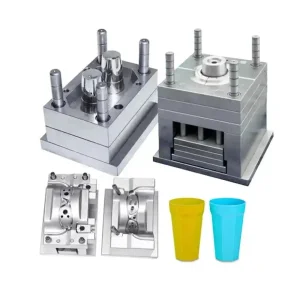
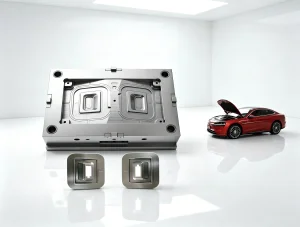
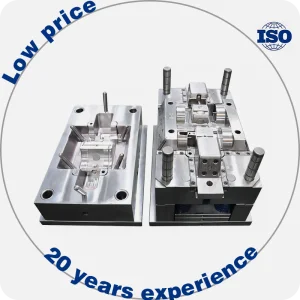
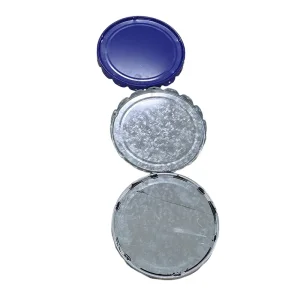
The global healthcare industry is undergoing a paradigm shift driven by strict regulatory changes, such as the transition from the Medical Device Directive (MDD) to the more comprehensive Medical Device Regulation (MDR 2017/745) in the European Union. Within this context, the demand for CE Certified medical device equipment and disposable consumables has escalated. Tooling manufacturers and exporters must now demonstrate high levels of technical competence and reliable compliance. High-precision plastic injection molding serves as the backbone for this manufacturing chain, producing everything from disposable syringes and petri dishes to complex housing components for diagnostic instruments.
When procurement professionals evaluate international medical device OEMs and tooling manufacturers, they prioritize the management of biological risk and chemical stability. Using food-grade or medical-grade resins like PP, PC, and PEEK requires specialized hot-runner designs, strict draft angle configurations, and cleanroom-compatible operations. This prevents contamination and ensures the dimensional stability required for high-volume automated assembly lines.
"True compliance in medical manufacturing is not just about a final product certificate. It is the result of validation across the entire lifecycle, starting from raw tool steel selection to ISO 13485 cleanroom validation protocols."
Today's global healthcare supply chains demand full traceability for all raw materials. For medical device housing and packaging applications, selecting the appropriate tool steel (such as corrosion-resistant S136 stainless steel or pre-hardened NAK80) is critical. This selection ensures the mold can withstand the corrosive outgassing of medical resins while sustaining over a million injection cycles without losing dimensional tolerance.
Additionally, international buyers require manufacturers to support PPAP (Production Part Approval Process). This includes documenting the installation qualification (IQ), operational qualification (OQ), and performance qualification (PQ). This ensures that every exported component—whether a diagnostic cartridge or an ampoule blister tray—performs consistently under varying production conditions.
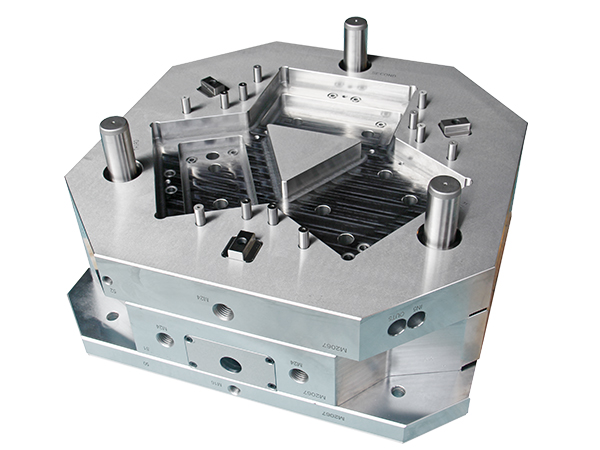
Suzhou Ohio Machinery Co., Ltd. is a professional manufacturer and supplier dedicated to precision machinery components, mold manufacturing solutions, and high-quality industrial materials.
Located in Suzhou, one of China's most advanced manufacturing hubs, the company serves customers worldwide with reliable products, advanced technology, and comprehensive engineering support.
Suzhou Ohio Machinery Co., Ltd. utilizes advanced manufacturing technologies that combine localized supply chain efficiency with international engineering standards. In the Yangtze River Delta manufacturing cluster, our facilities benefit from a direct supply of specialized tool steels and raw materials. This proximity reduces shipping and development times, allowing for rapid iterations of prototype tools and production molds.
Our Factory 4.0 integration includes high-speed multi-axis CNC machining centers, automated EDM (Electrical Discharge Machining) systems, and precision coordinate measuring machines (CMM) in temperature-controlled environments. By automating tool paths and monitoring parameters in real time, we achieve tolerances within single-digit micrometers (<5μm). This level of precision is critical for multi-cavity hot-runner molds used in high-volume medical applications, such as disposable pipette tips and syringe plungers.
Beyond manufacturing capability, our engineering support spans the entire lifecycle of a project. Using Moldflow® simulation analysis during the design phase helps identify potential injection issues like knit lines, air traps, and warpage. Resolving these issues early minimizes the need for physical tool adjustments, helping to bring new medical products to market faster.
A step-by-step overview of our precision engineering, machining, assembly, and quality validation processes
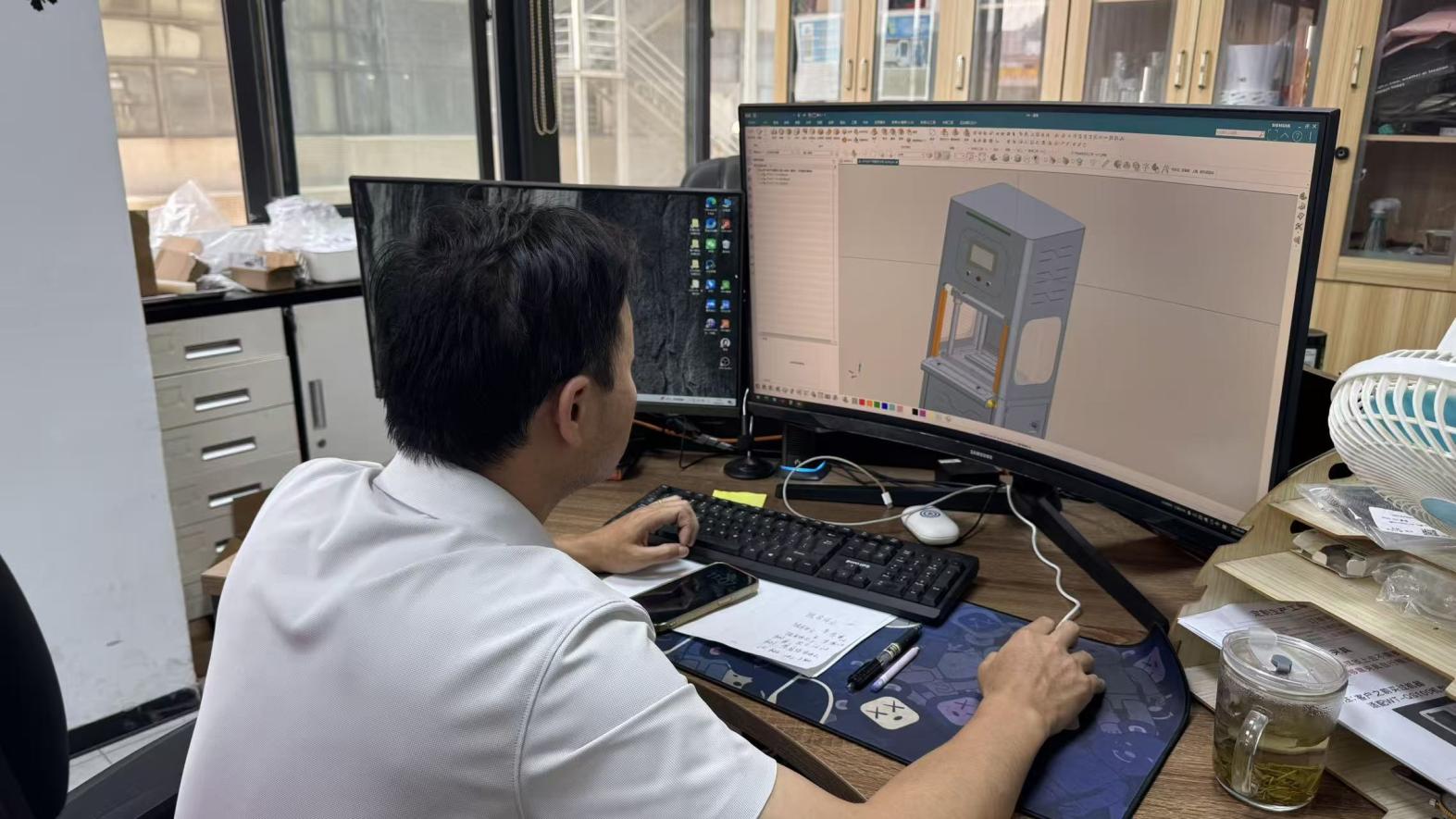
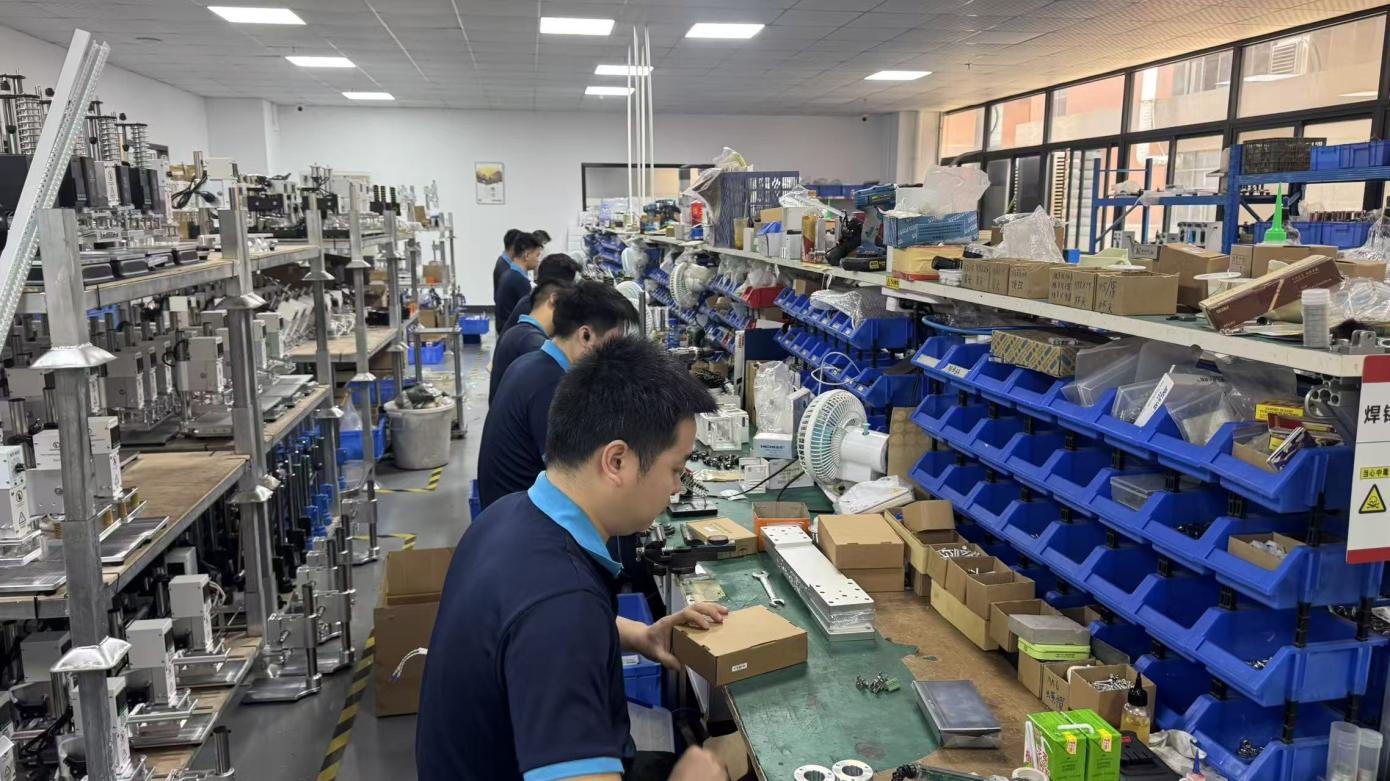
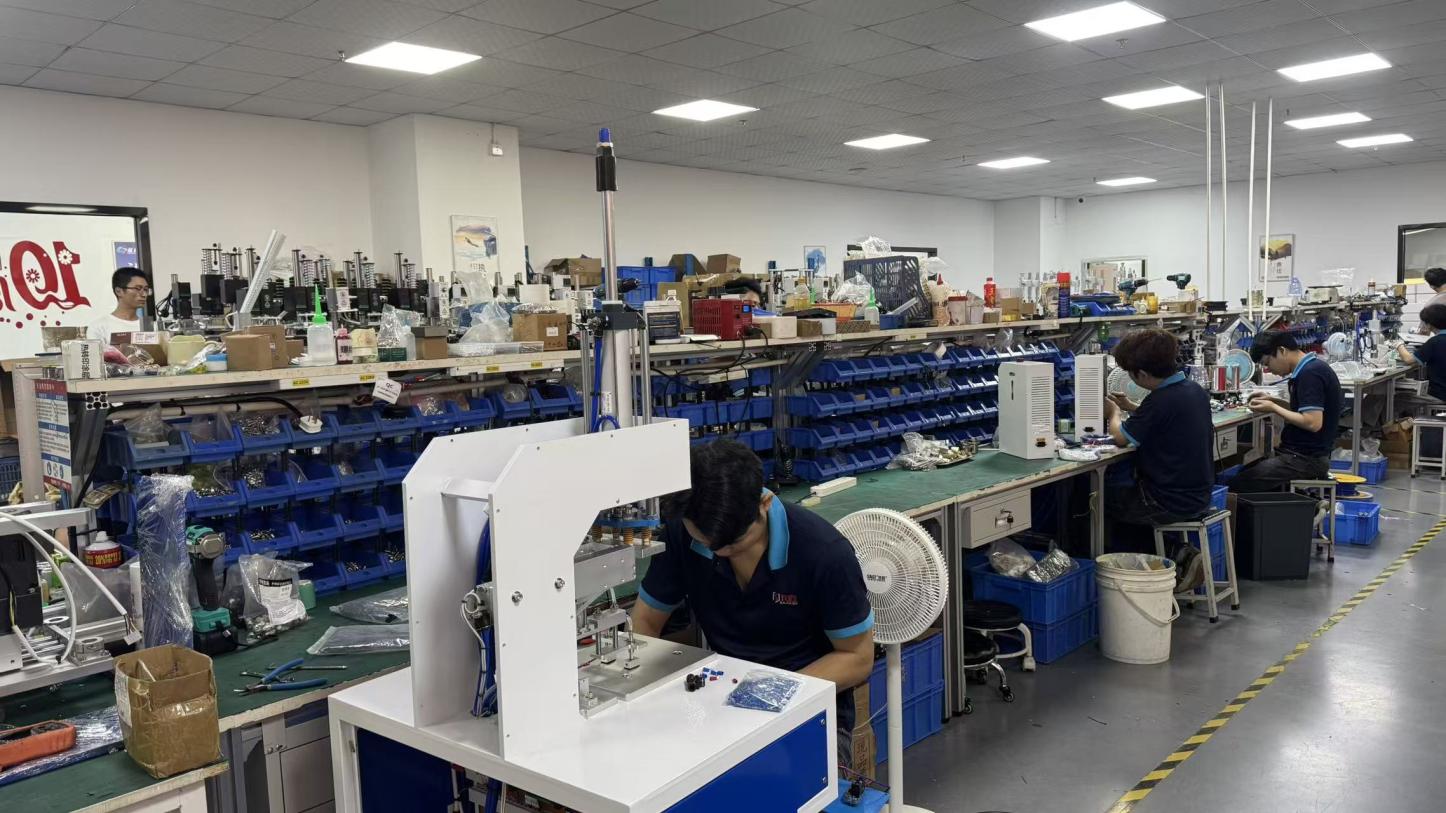
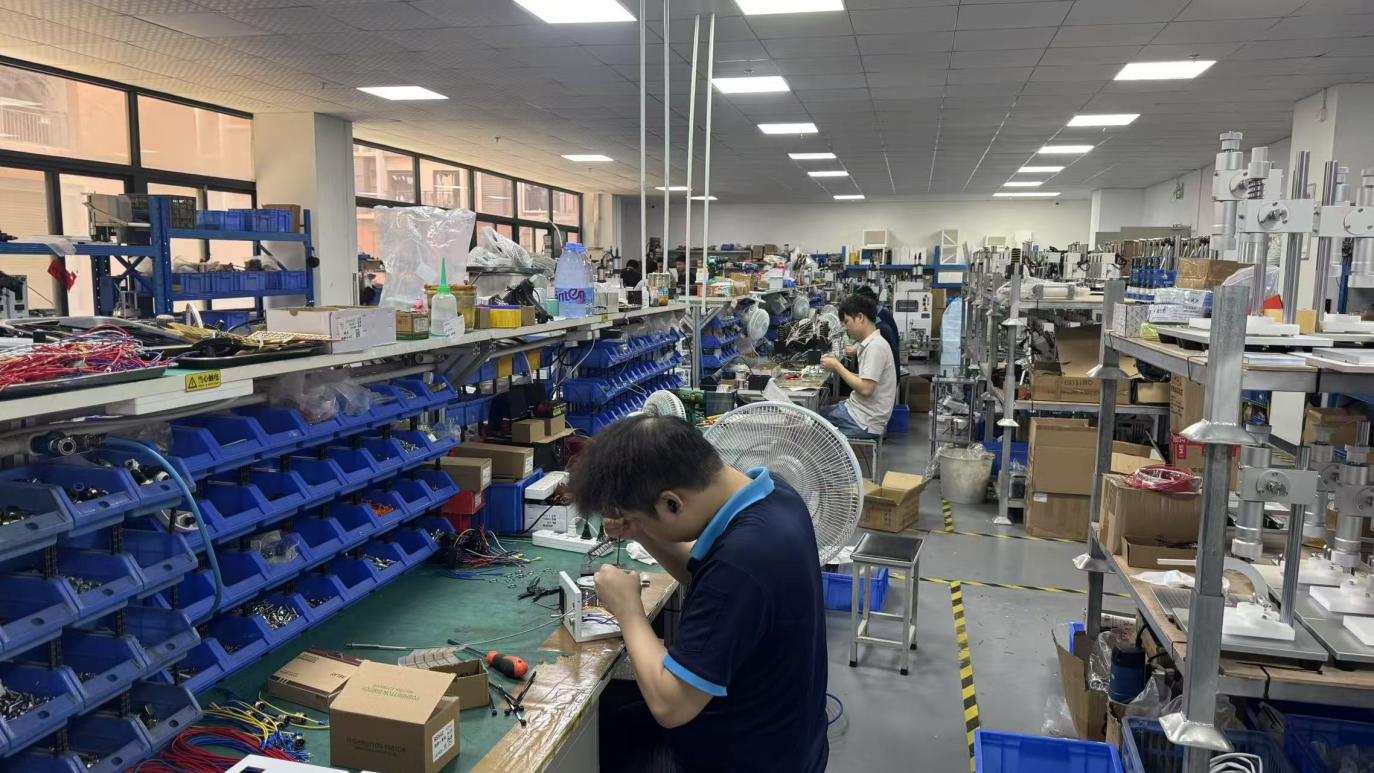
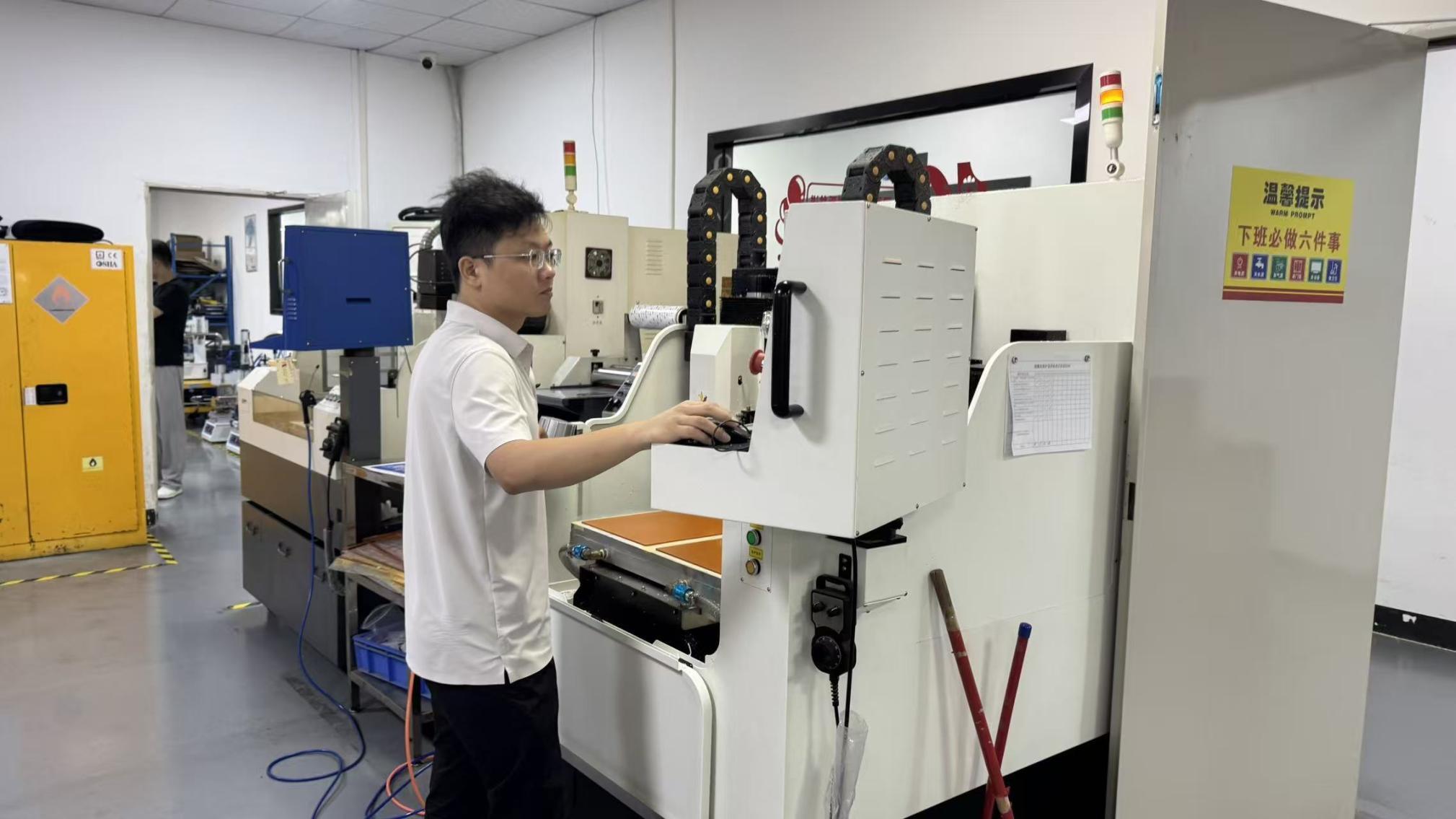
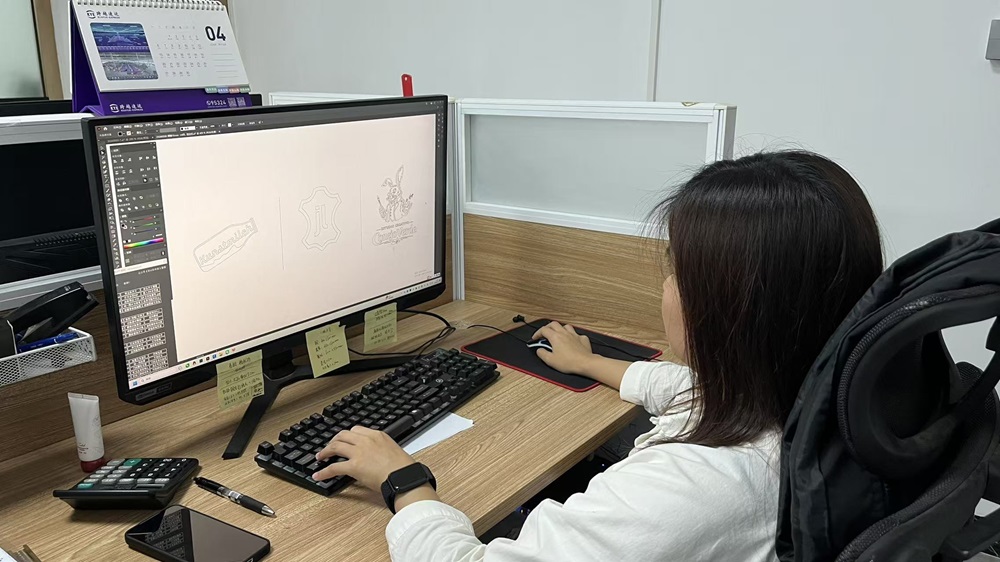
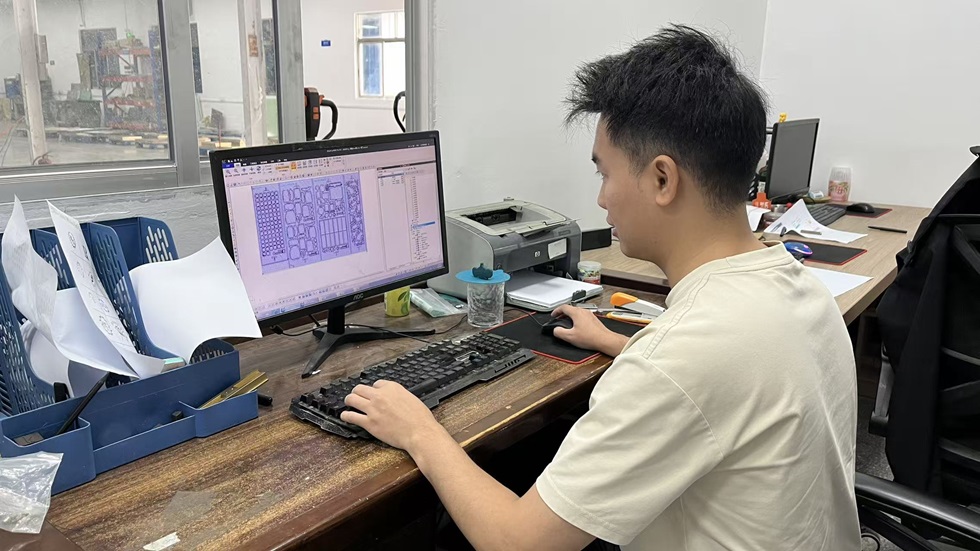
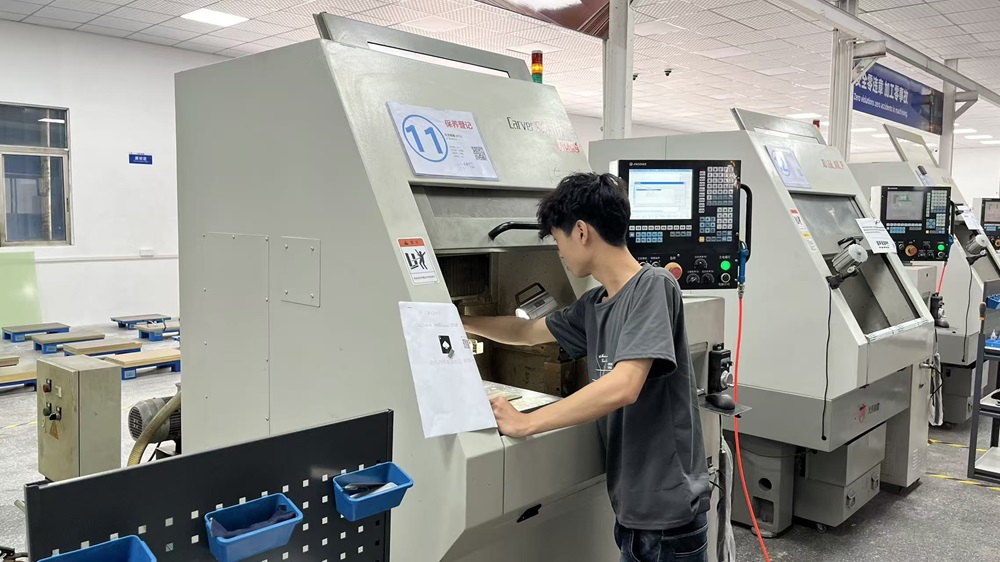
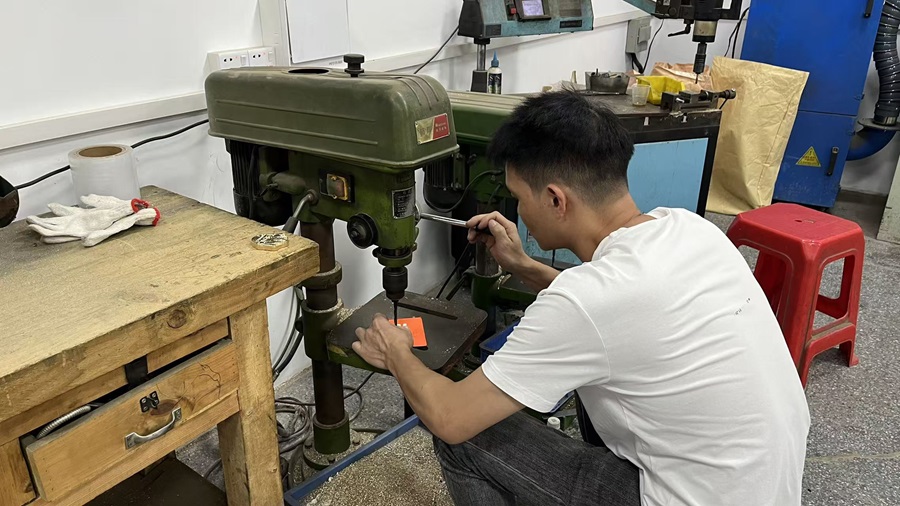
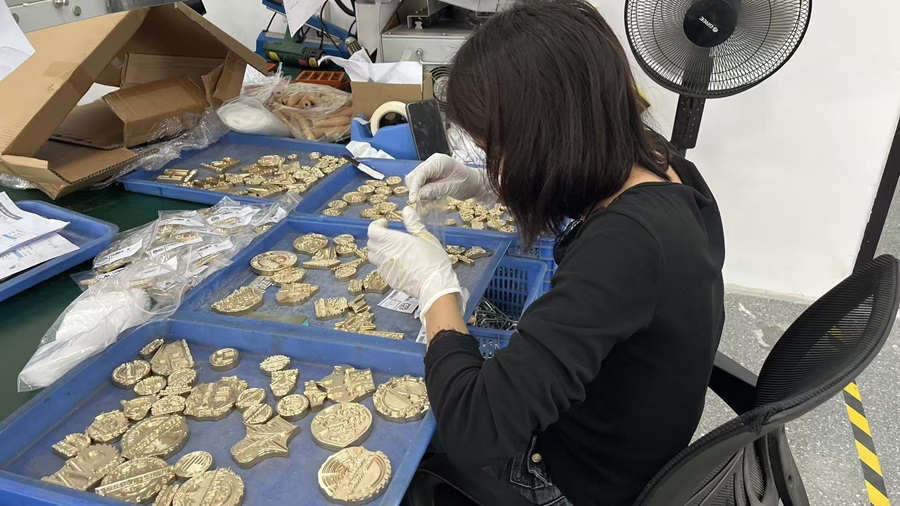
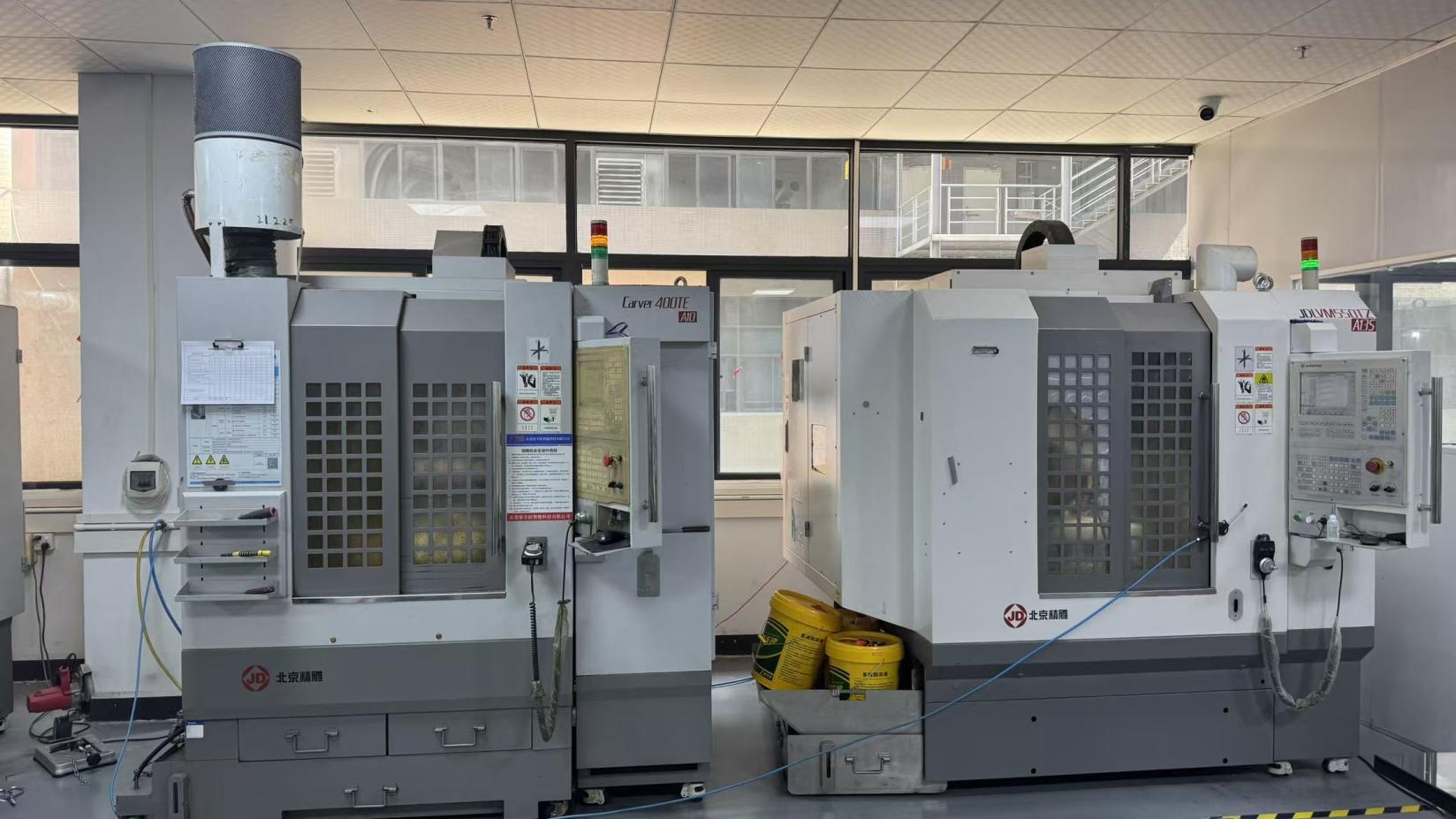
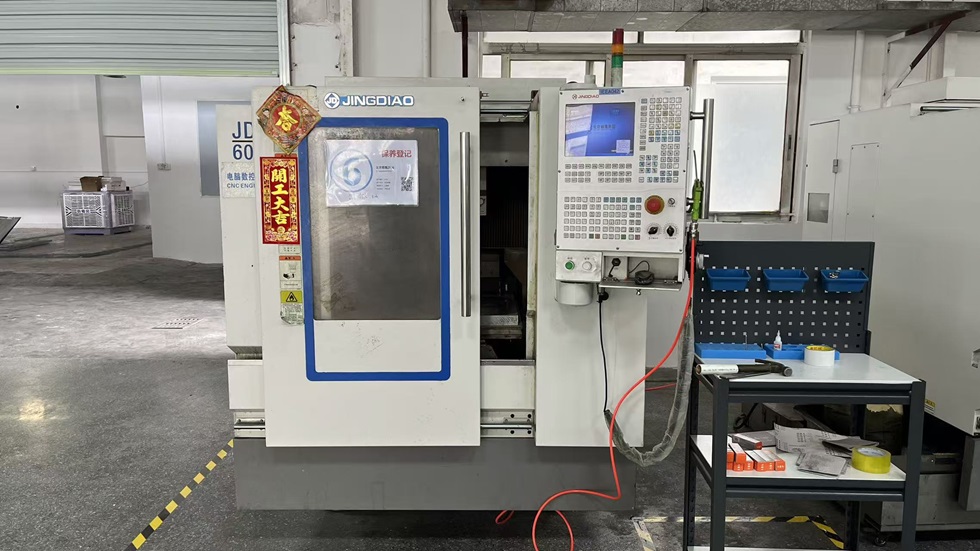
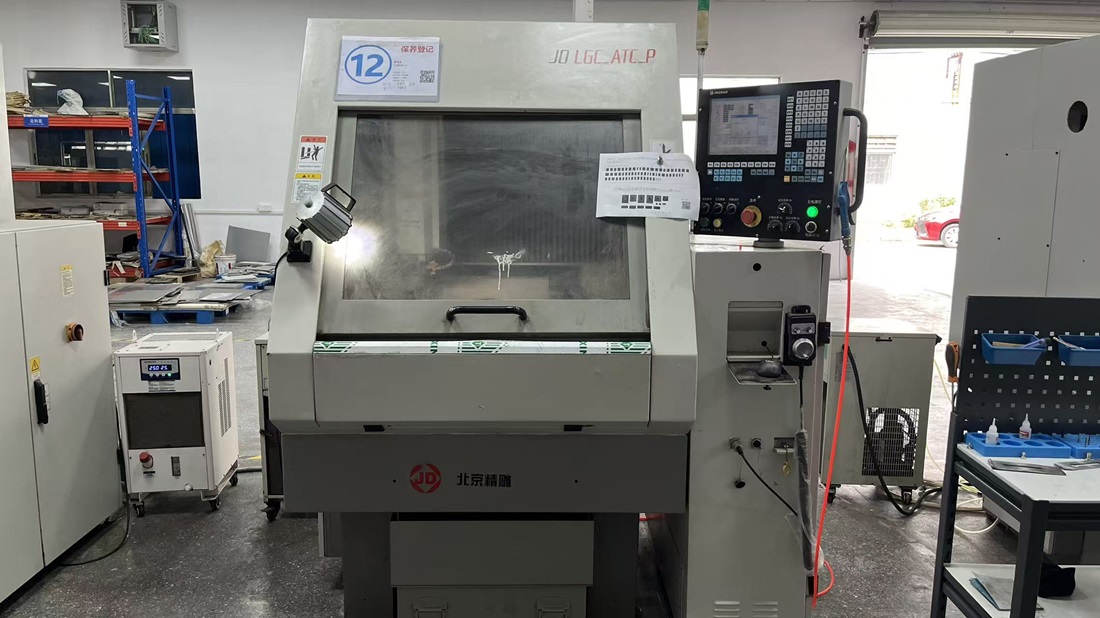
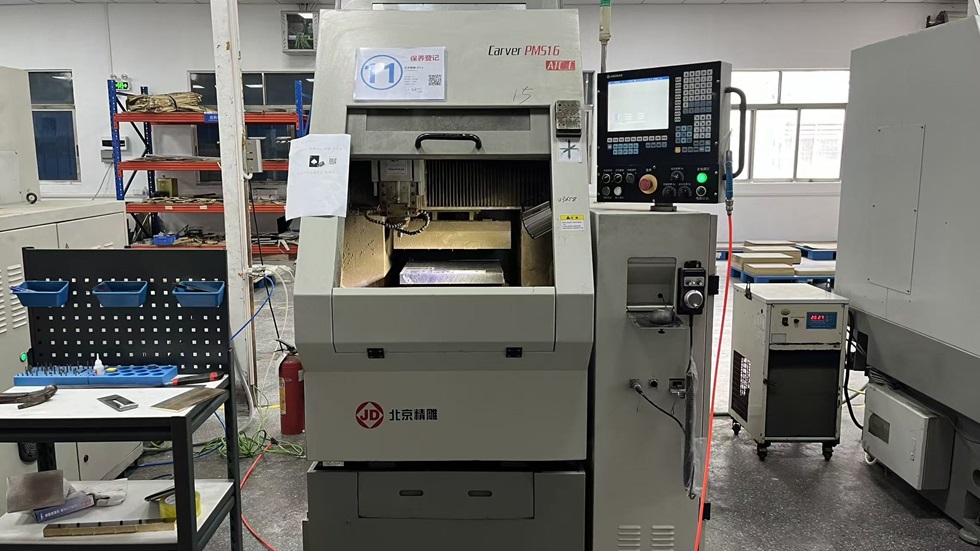
Medical device components must meet strict requirements for dimensional accuracy and surface finish. For example, IVD (In-Vitro Diagnostics) cassettes and microfluidic chips require narrow channel geometries with minimal draft angles. This is necessary to control fluid movement and avoid affecting diagnostic test results. To achieve this, our injection molding team employs specialized tooling insert configurations. These inserts can be replaced quickly in the event of wear, helping to prevent production delays.
Similarly, in packaging applications such as pharmaceutical vials and pill boxes, our molds are engineered to produce clean, flash-free parting lines. Minimizing parting-line flash prevents microscopic plastic particles from shedding and contaminating the packaged medicine. This level of quality control is essential for components used in automated filling lines, where consistent dimensions prevent machine jams and maintain high throughput.
In addition to diagnostic and pharmaceutical packaging, we produce custom molds for surgical instrument handles and durable medical equipment (DME) enclosures. These products often require overmolding techniques to combine rigid polymers like polycarbonate with soft-touch elastomers like TPE. This approach improves ergonomics and durability while ensuring the finished device can withstand repeated autoclaving or exposure to harsh chemical disinfectants in hospital environments.
Key information regarding compliance, tool longevity, lead times, and manufacturing capabilities
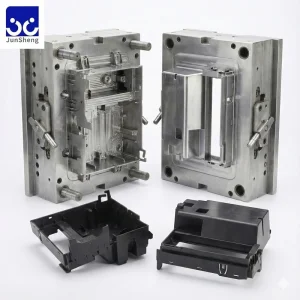
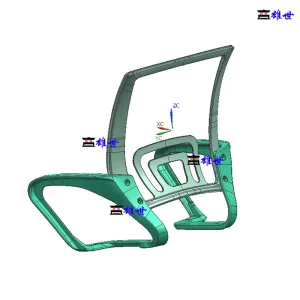
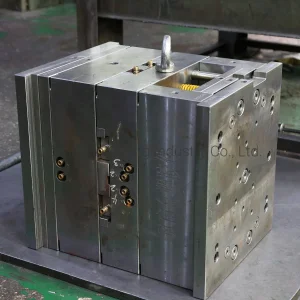
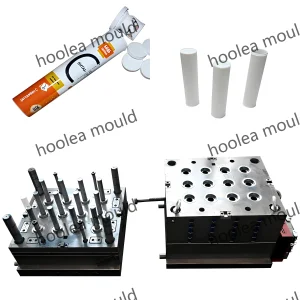
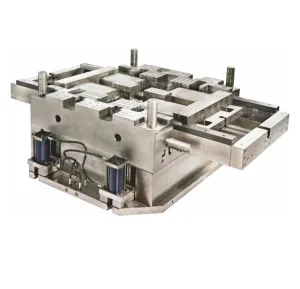
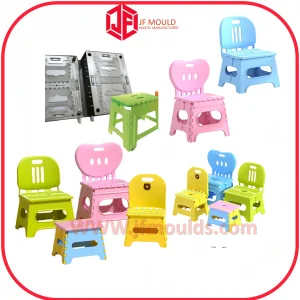
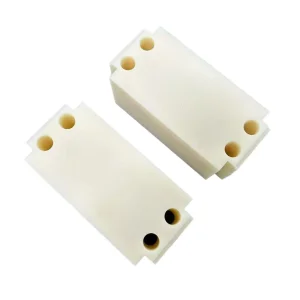
Reliable tooling solutions engineered for structural components, packaging, and commercial equipment
 Ohio Machine