
The automotive manufacturing industry is undergoing its most significant structural shift in a century. Driven by electrification, stringent environmental regulations, and the pursuit of aerodynamic efficiency, the design and production of automotive exterior parts have moved from simple cosmetic housing to complex, multi-functional aerodynamic assemblies. Bumpers, side skirts, body panels, and front grilles are now engineered to host autonomous driving sensors, radar arrays, and adaptive thermal control mechanisms while keeping structural weight to an absolute minimum.
Electrification & Aerodynamics: Electric vehicles (EVs) require drag coefficients below 0.22 to optimize battery range. Exterior plastic structures must accommodate complex active air dam components and integrated radar sensors.
Lightweighting Initiatives: Swapping heavy sheet metal parts with thin-walled, high-rigidity polymer injection-molded components can decrease overall vehicle weight by up to 15%, substantially cutting carbon footprints.
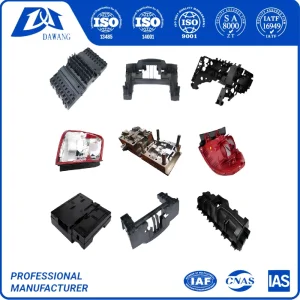
To meet these high manufacturing standards, tier-1 OEMs require top-tier automotive exterior mold suppliers capable of producing highly accurate plastic injection tools. Tooling is the foundation of quality assurance. Molds must withstand hundreds of thousands of cycles without compromising dimensional tolerance, ensuring perfect surface finishes for exterior paint application (Class A surfaces).
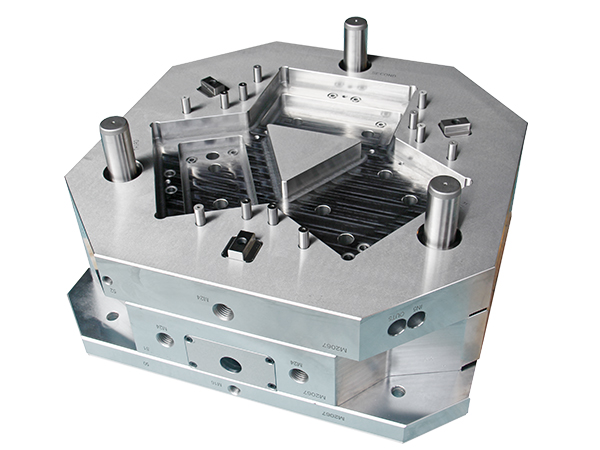
Suzhou Ohio Machinery Co., Ltd. is a leading professional manufacturer and supplier specialized in precision machinery components, high-durability mold manufacturing solutions, and industrial raw materials. Based in Suzhou, one of China's most advanced high-tech industrial manufacturing hubs, we deliver global engineering solutions with reliable quality, cutting-edge engineering processes, and seamless customer service support.
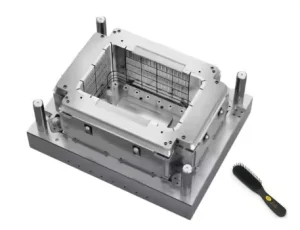
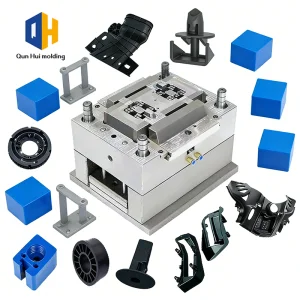
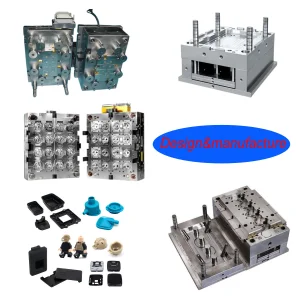
Our core capabilities span high-precision mold bases, custom mold components, precision machined elements, and complex injection tools. Our engineered products serve major industrial sectors worldwide, including consumer electronics (3C), advanced medical devices, food packaging, cosmetics packaging, automotive manufacturing, and home appliances.
In addition to precision tool fabrication, Suzhou Ohio Machinery Co., Ltd. provides a wide selection of top-tier domestic and imported tool steels. Our comprehensive materials portfolio includes high-grade plastic mold steels (P20, 718H, NAK80, S136), hot-work tool steels (H13), cold-work tool steels, and high-speed tool steels. Through long-term supply chain partnerships and strict metallurgical quality controls, we ensure that every raw block and components batch delivers consistent physical characteristics, wear resistance, and long tool life under demanding mass-production environments.
To maintain zero-defect standards, our technical team works under a strict quality management system that aligns with international manufacturing certifications. From structural design, chemical composition validation, mechanical processing to final assembly testing, every phase is recorded and traced to guarantee exceptional component dimensional stability.
When seeking reliable manufacturing partners, international OEMs choose Chinese tooling factories due to their structural agility and integrated ecosystem. The Suzhou industrial corridor offers a complete industrial matrix where specialized steel mills, heat treatment facilities, standard component suppliers (HASCO/DME standard), and advanced machining shops are clustered in close proximity.
This ecosystem allows us to reduce raw material lead times and accelerate processing speed, helping our global customers launch new vehicle models to market faster. Our logistics channels connect directly with major shipping ports (such as Shanghai and Ningbo), allowing us to handle fast international sea freight, air freight, and door-to-door delivery.
From initial design concept validation through high-speed precision machining to mechanical quality inspections, our workflow ensures that every mold matches your exact engineering tolerances.
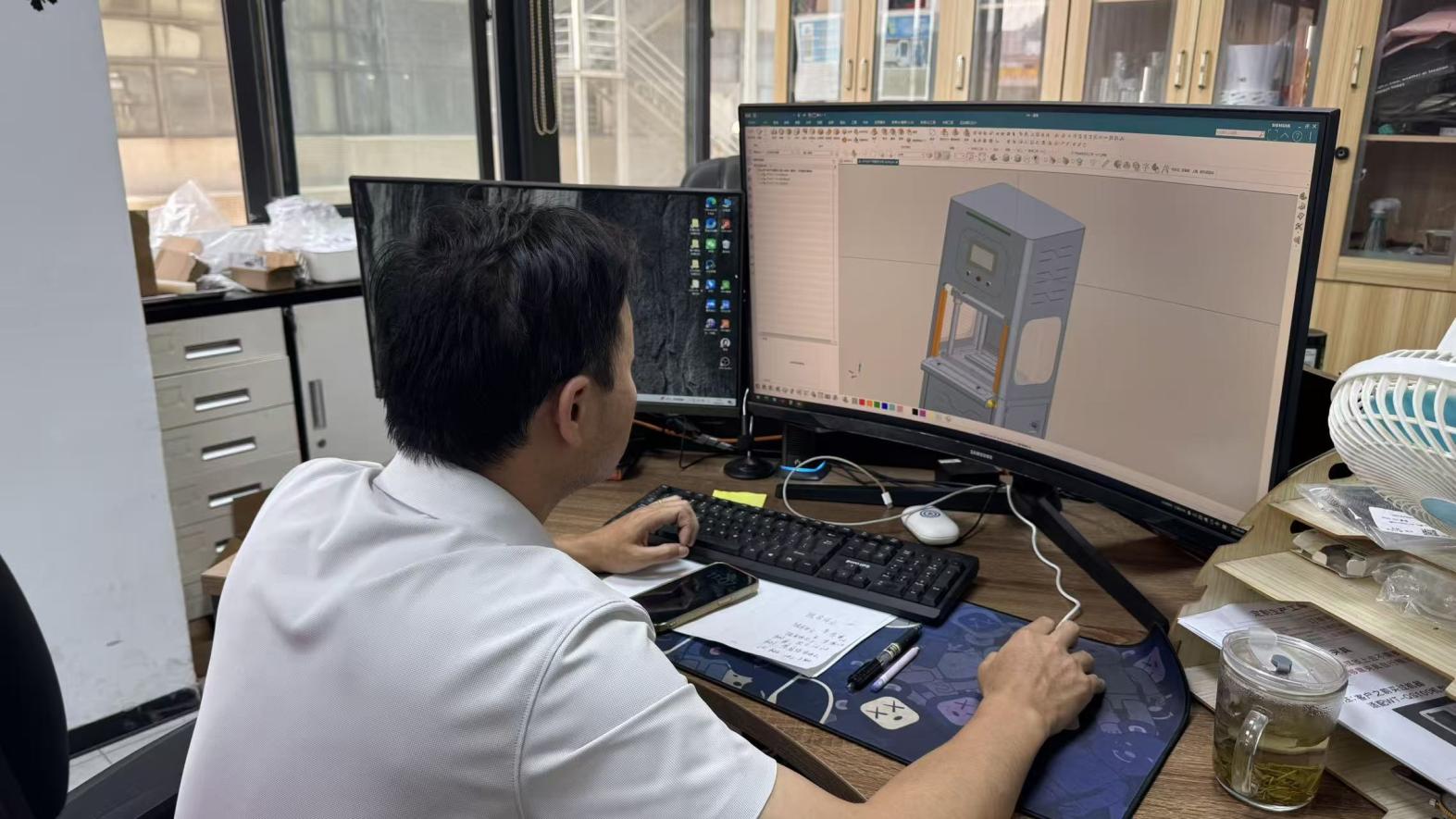
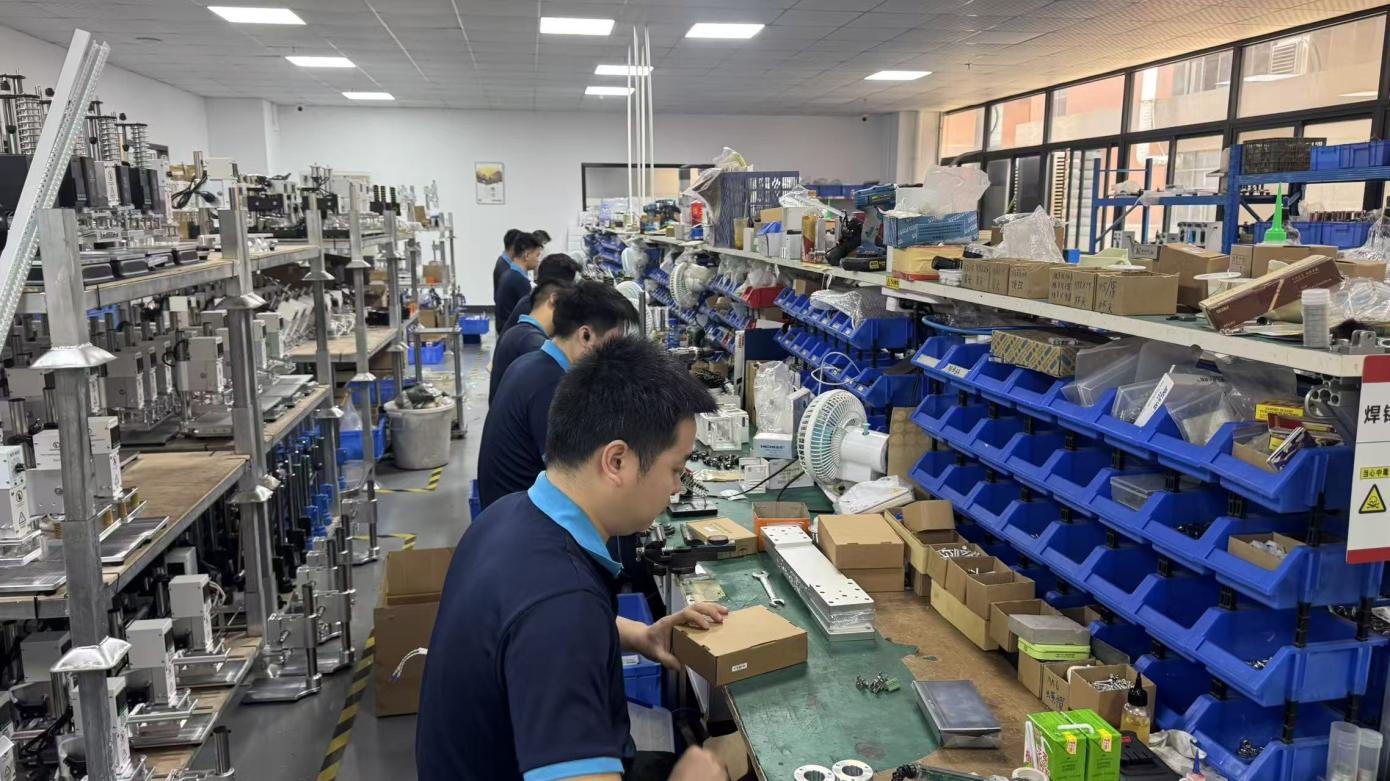
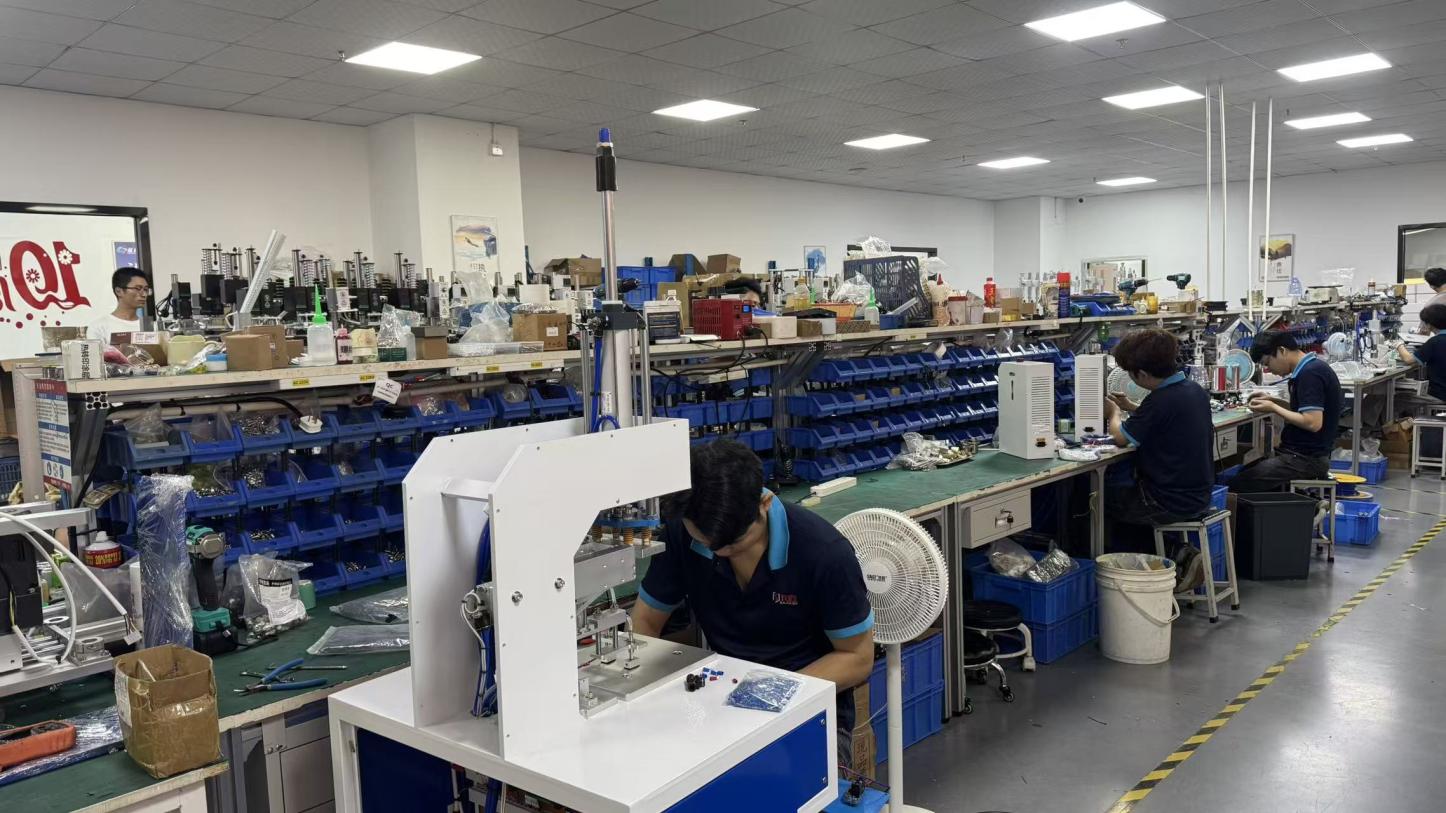
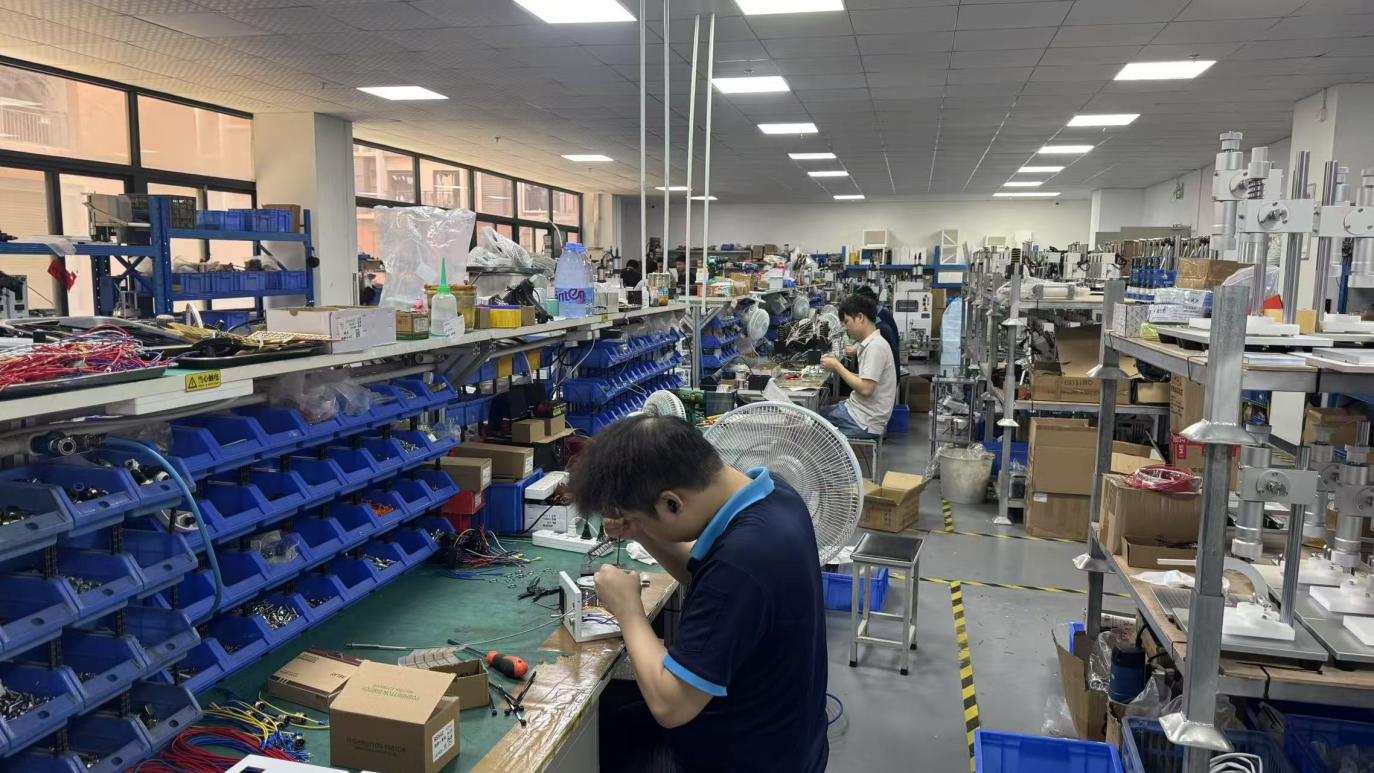
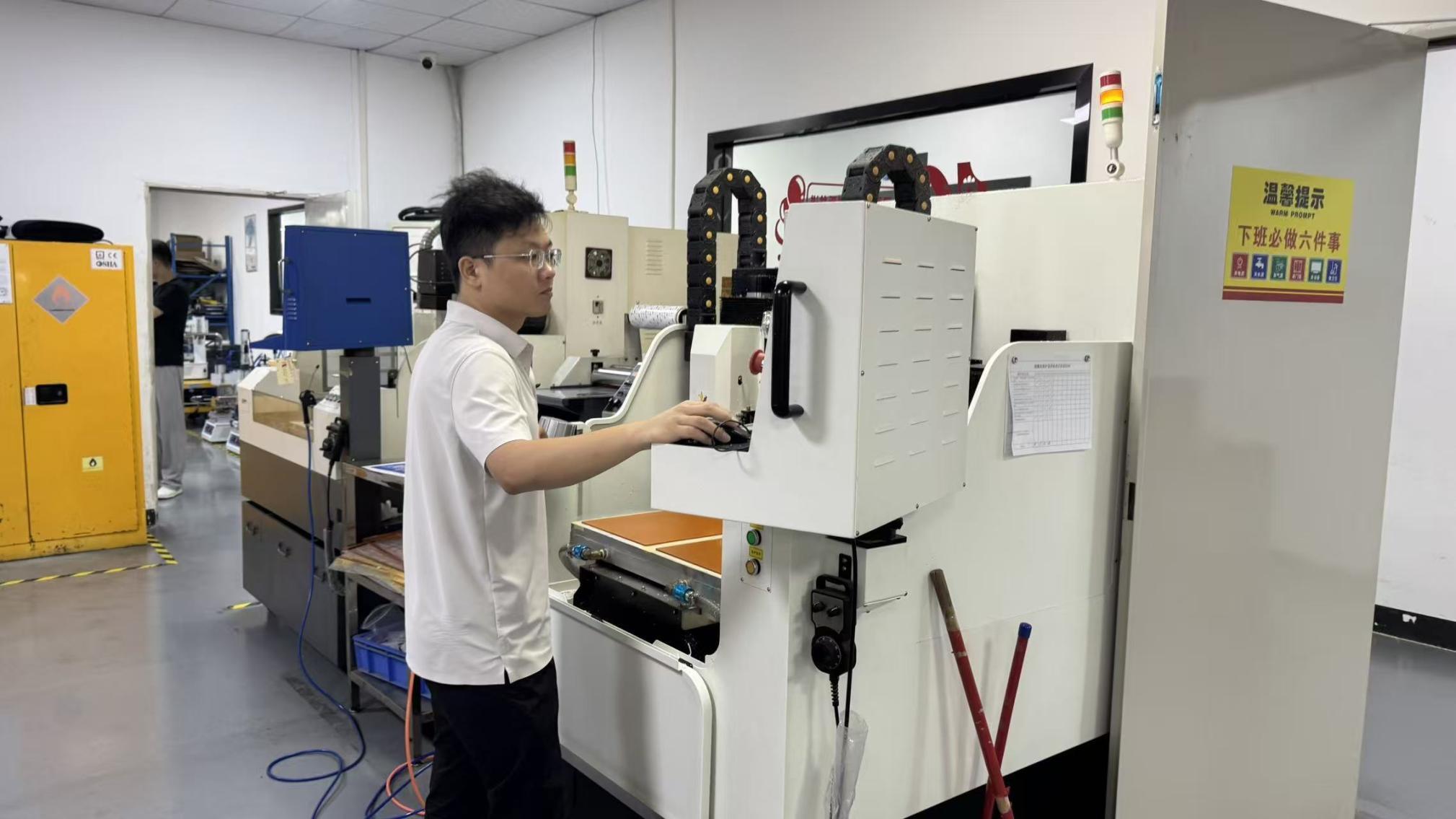
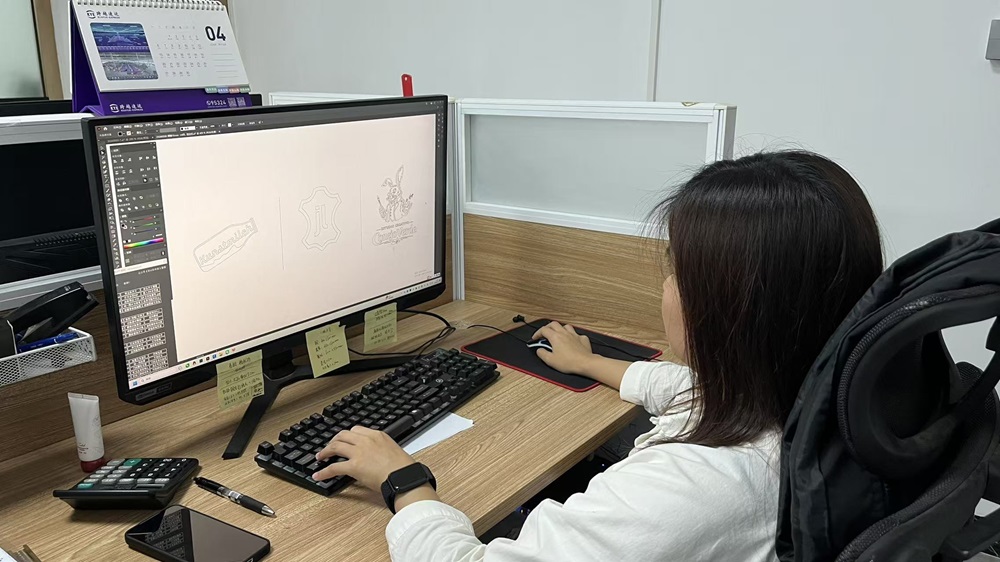
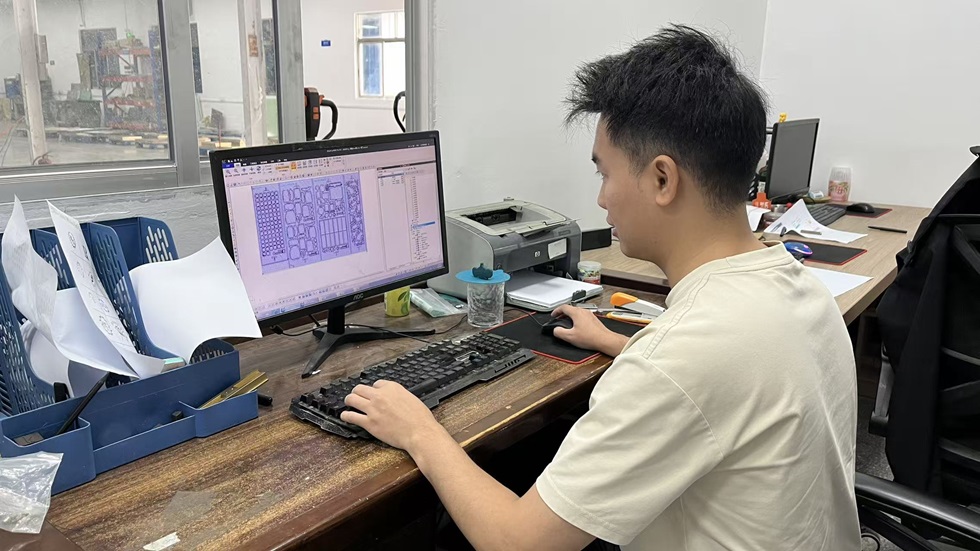
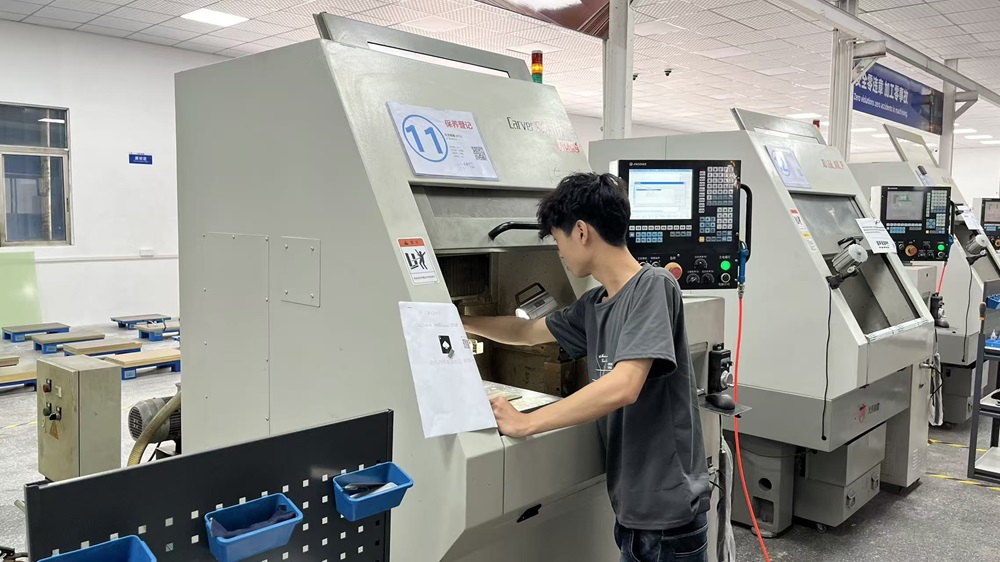
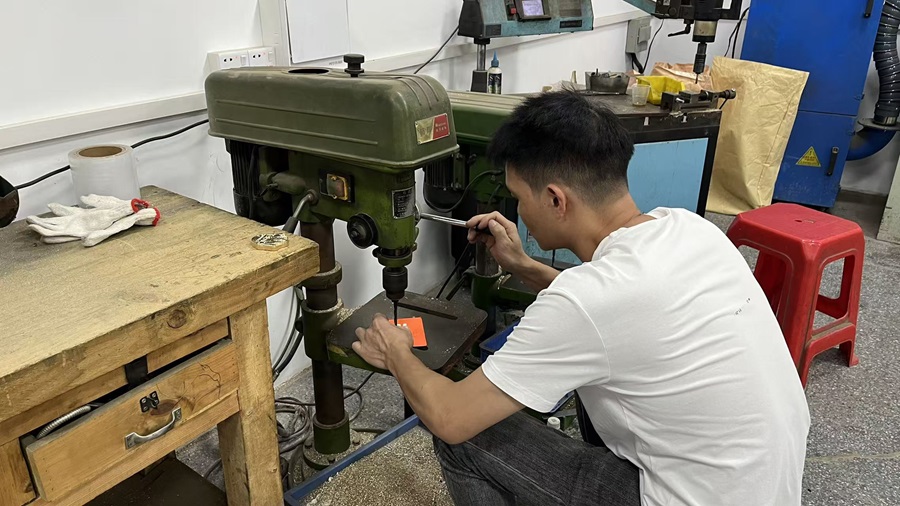
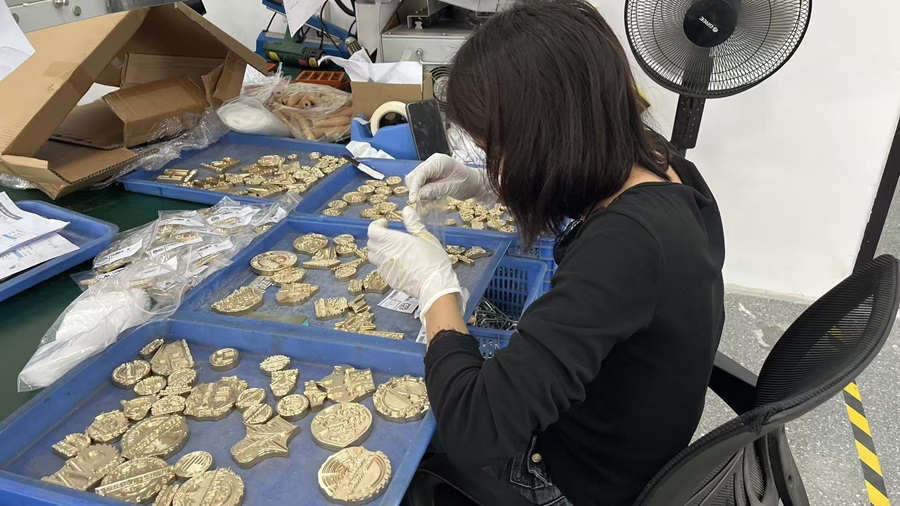
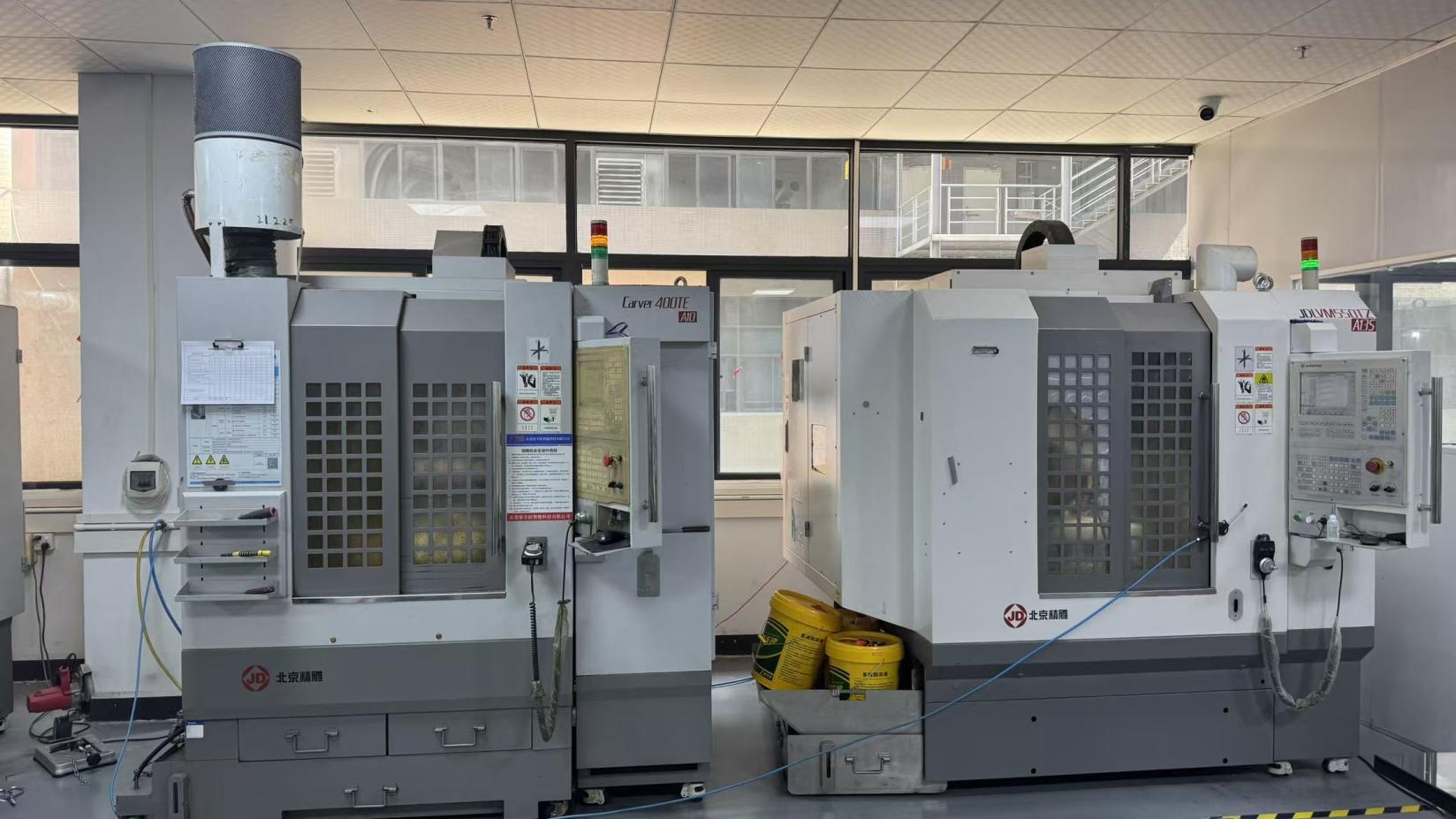
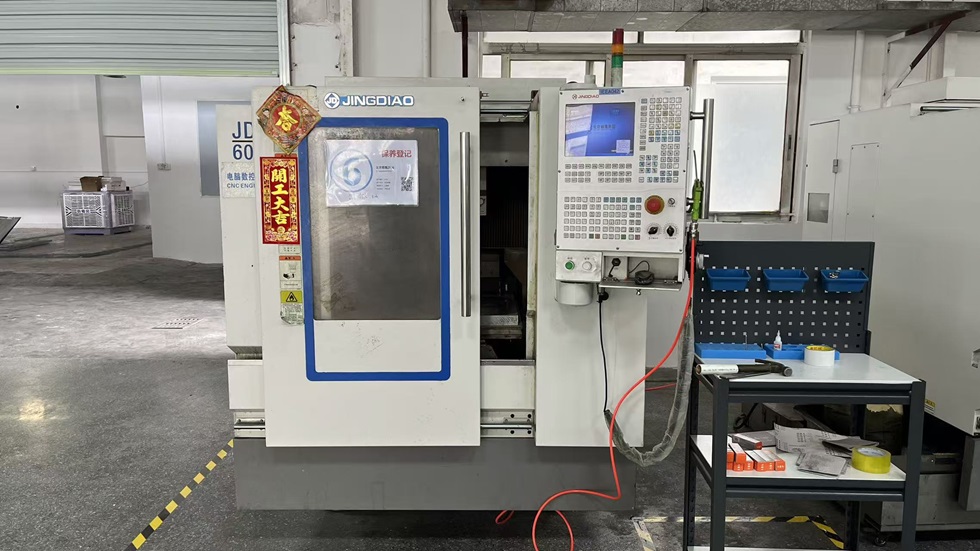
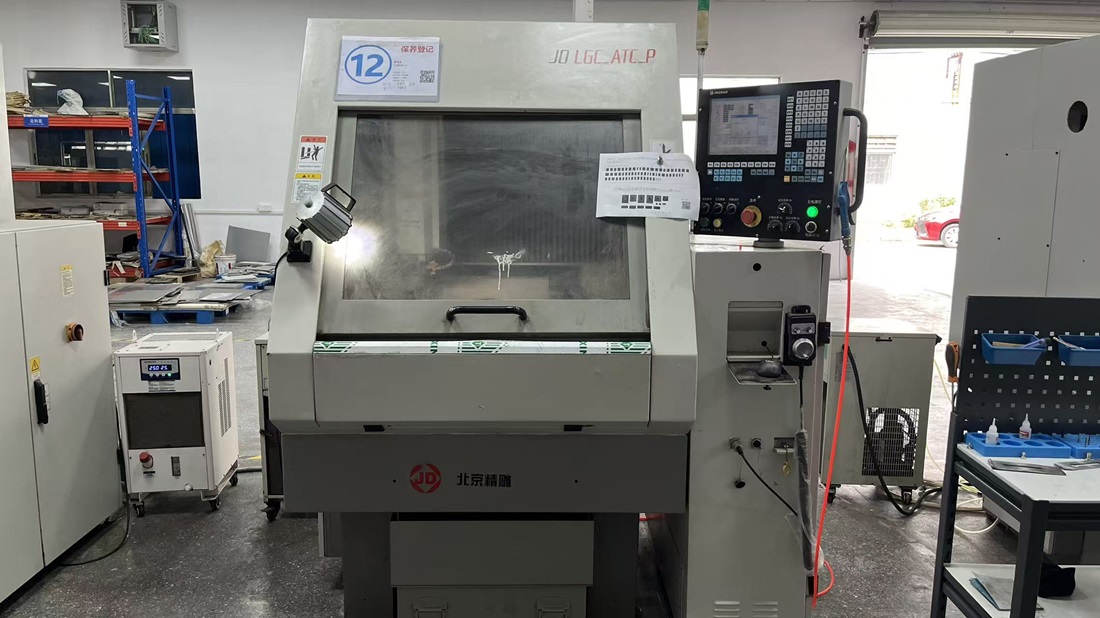
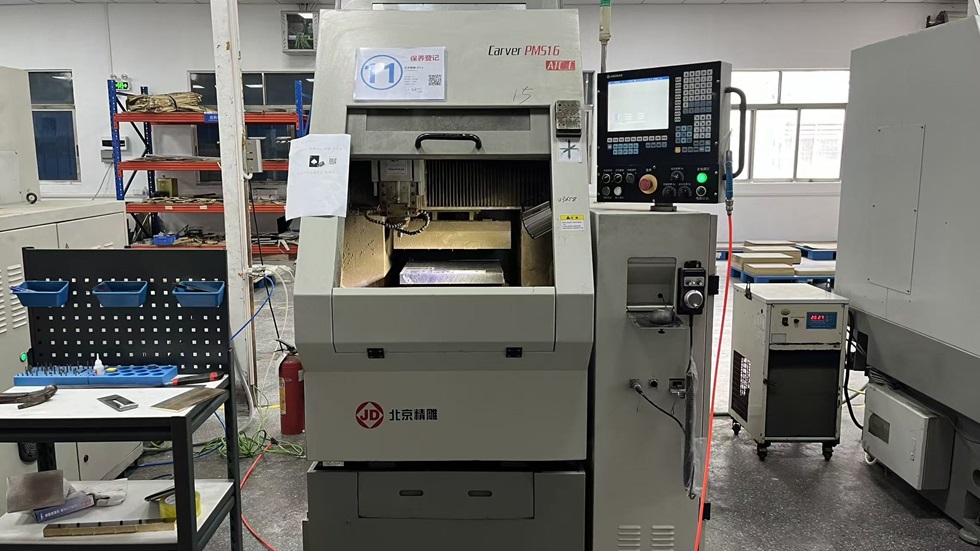
The engineering roadmap for automotive exteriors is focused on three areas: aerodynamic styling, smart functional integration, and environmental sustainability. Molds must adapt to new, lightweight engineering polymers such as polypropylene with mineral fillers (PP-MD20), polycarbonates for transparent optical panels, and advanced blends of polyamide and glass fibers (PA66-GF30) for high-impact structural components.
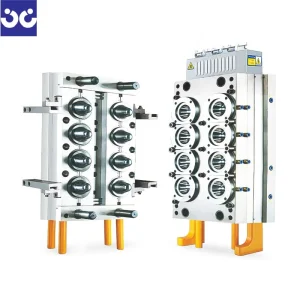
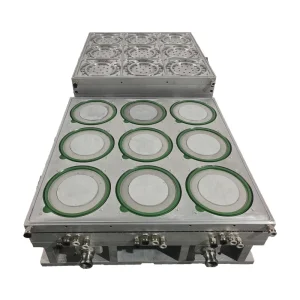
Modern active grille shutter systems require multiple small-sized, high-precision moving parts. These require multi-cavity injection tools with complex hot-runner networks and slides. Our tooling methods ensure uniform polymer flow during high-speed injection, keeping part-to-part weight variations under 0.5%.
With ADAS sensors and LiDAR components integrated directly into vehicle bumpers and front emblems, standard paints and injection materials can interfere with electromagnetic waves. We use specialized low-loss dielectrics and precision injection processes to construct thin-walled housings that maintain sensor accuracy while keeping structural strength.
To reduce post-molding assembly steps, we design and manufacture 2K/3K (two-shot/three-shot) rotating molds. This allows designers to overmold soft sealing lips (TPE) directly onto rigid mounting brackets (PP/EPDM) during a single cycle. This process prevents water ingress, improves acoustic insulation, and extends part durability in extreme climates.
Automotive exterior manufacturing requires strict compliance with international standards. At Suzhou Ohio Machinery Co., Ltd., we use advanced quality planning processes (APQP) to ensure all projects meet the high standards of international tier-1 buyers.
Our quality laboratories are equipped with coordinate measuring machines (CMM), optical projectors, and ultrasonic thickness gauges to monitor dimensional tolerances. In addition, we execute mold flow simulations (Moldflow analysis) during the initial design phase to check for potential welding lines, sink marks, or excessive clamping pressures. This upfront simulation saves weeks of testing time and minimizes tooling iterations.
CMM Dimensional Verification: We verify all critical dimensions against your CAD model to ensure dimensional tolerances of ±0.02mm for critical features.
Comprehensive PPAP Documentation: We provide full Level 3 Production Part Approval Process (PPAP) documentation, including material test reports, dimensional layouts, and process capability studies (Cpk).
Thermal Analysis & Stress Relief: All mold cores undergo vacuum heat treatment and stress tempering to prevent thermal deformation during continuous production runs.
 Ohio Machine