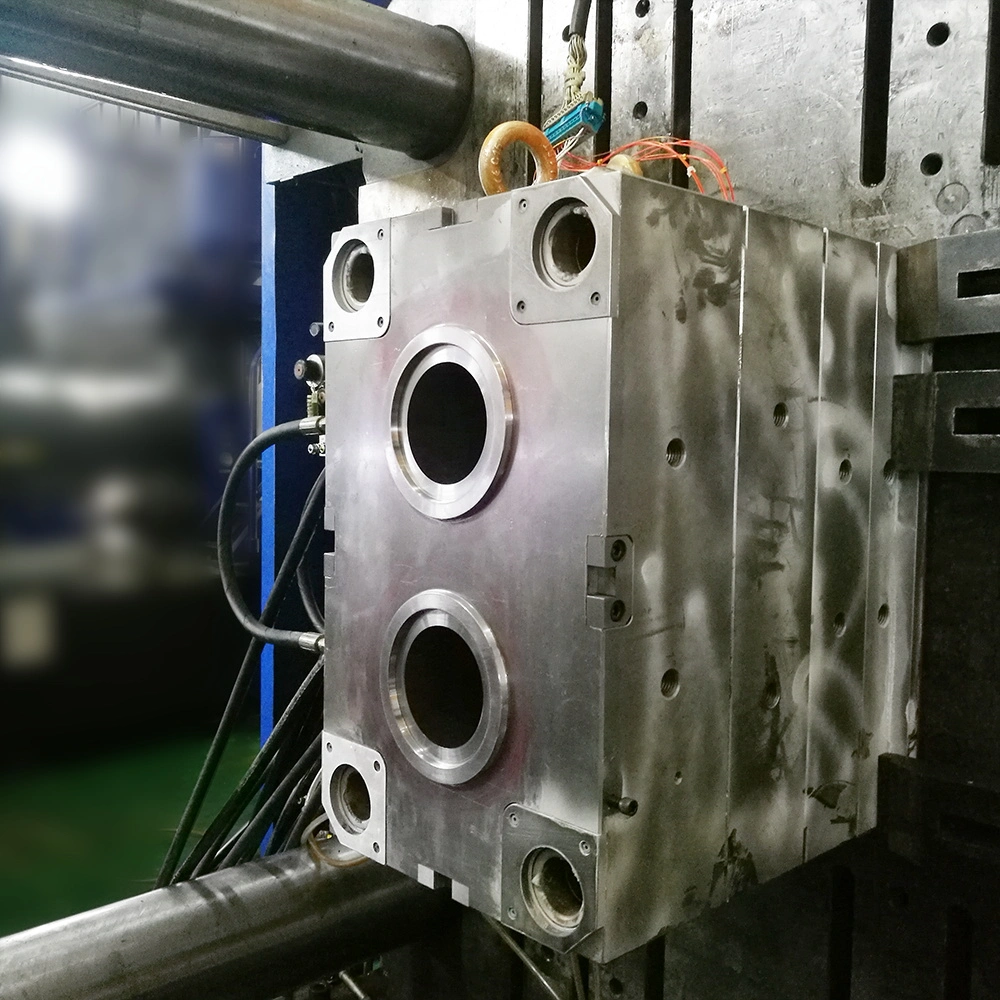
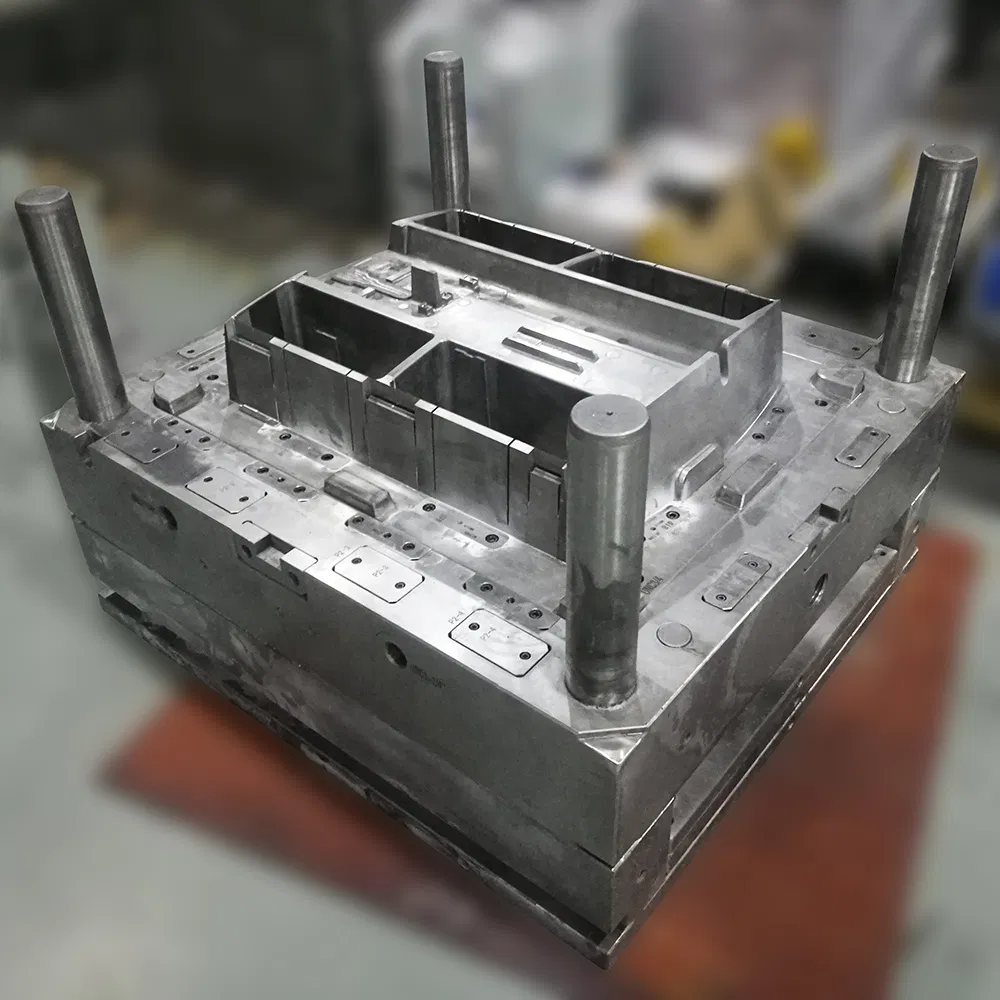
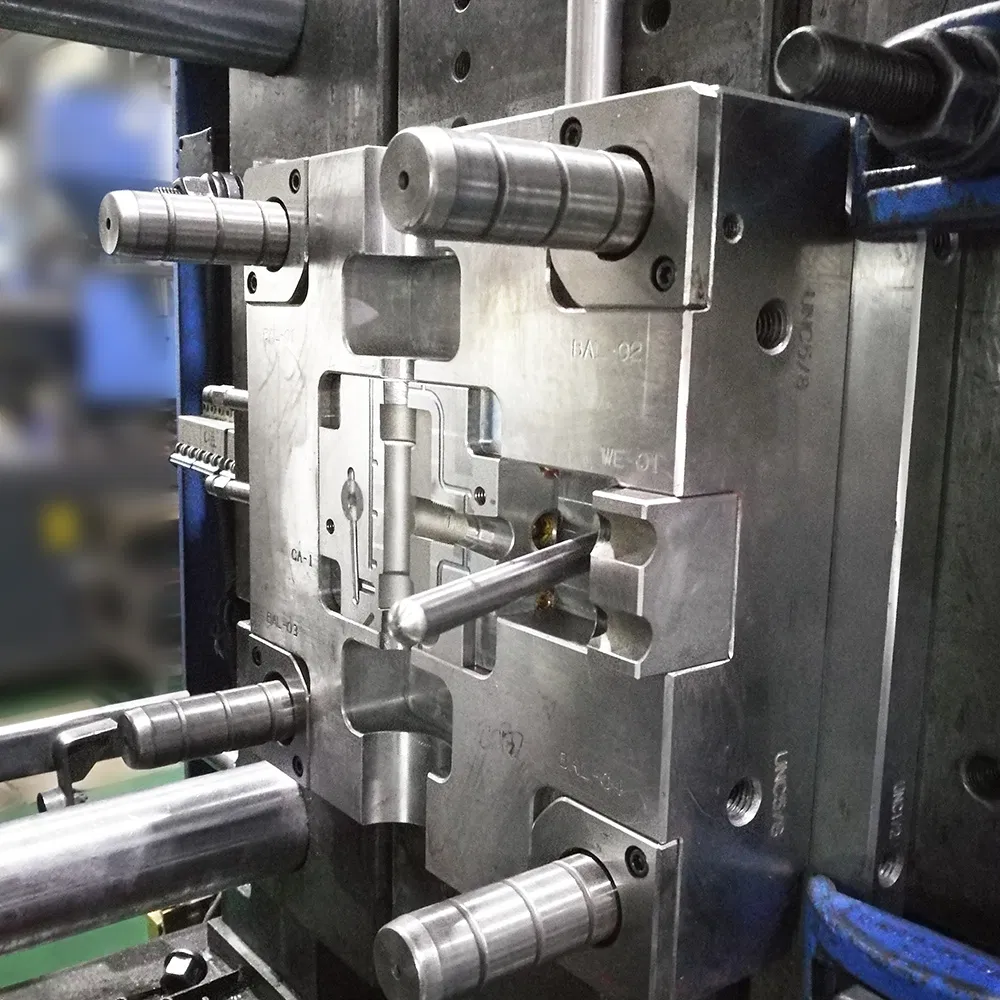
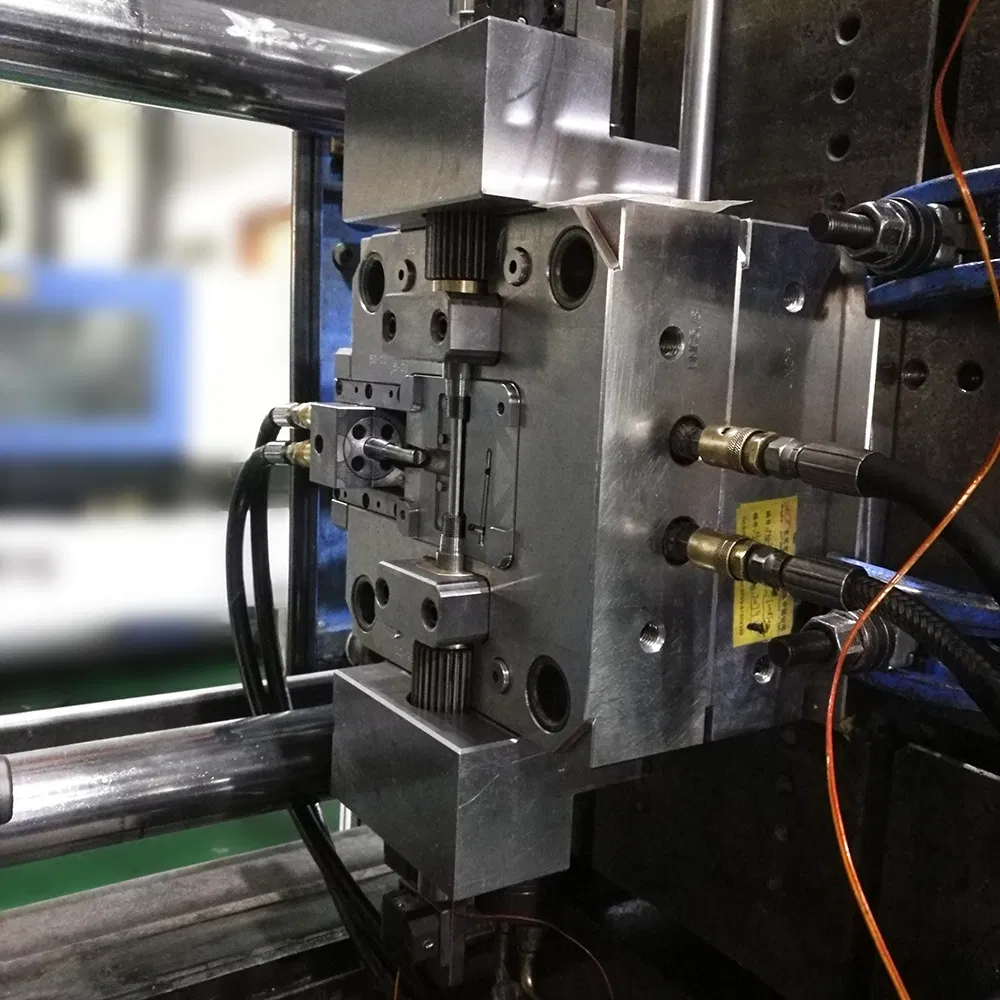
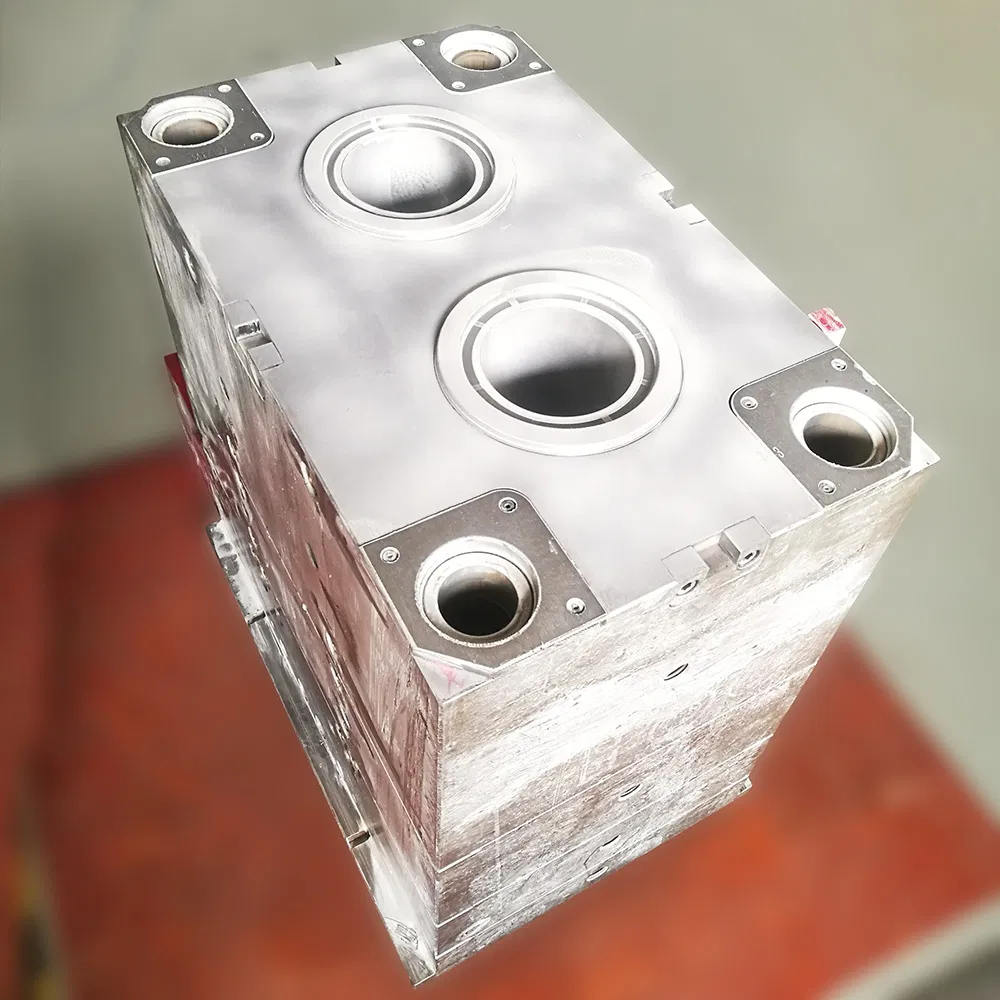
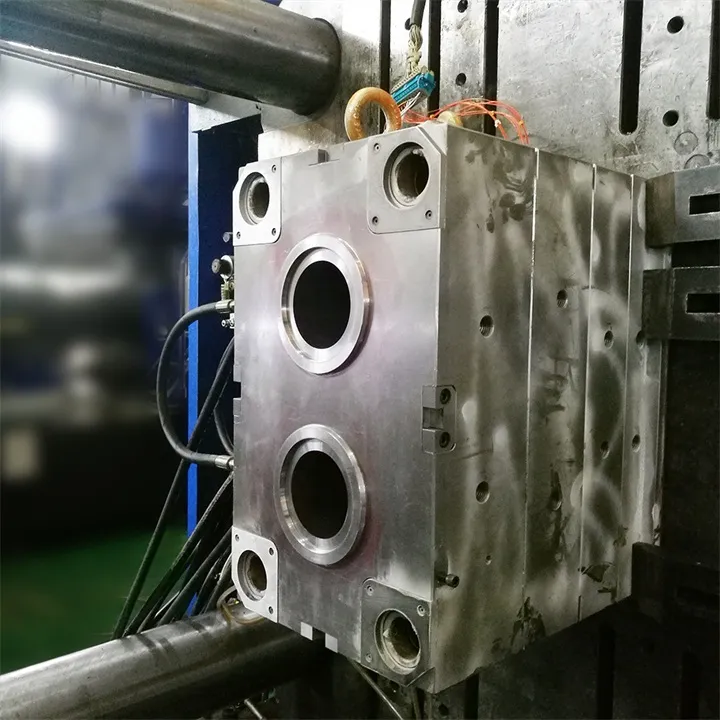
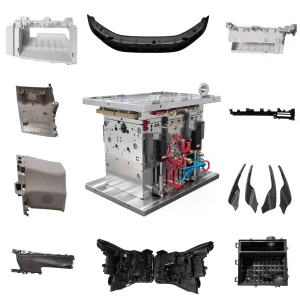
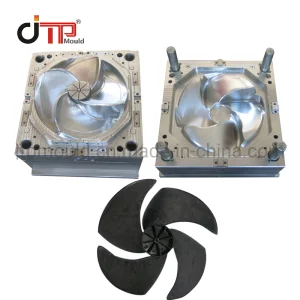
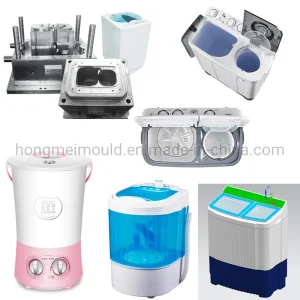
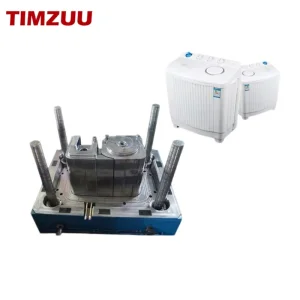
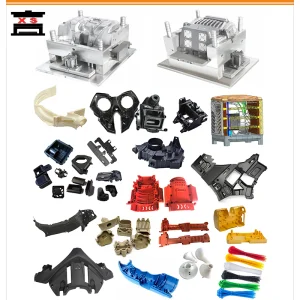
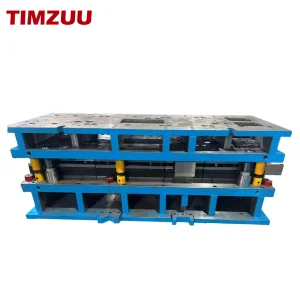
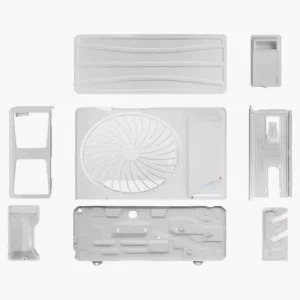
Custom Made Plastic Injection Mould for Home Appliance

Still deciding? Get samples of $ !
Order Sample

Product Description

i

Basic Specifications

Model NO.
Plastic Injection Mould Ww-212
Product Shaping Mode
Plastic Injection Molding Ww-212
Mould Base
Lkm, Dme, Hasco etc ;
Steel Hardness
20-60HRC
Treatment
Pre-Harden, Nitride, Heat Treatment, Quenching
Mould Life
50K - 1 Million Cycles
Design Software
Ug, CAD, PRO-E, Solid Works etc
Quality
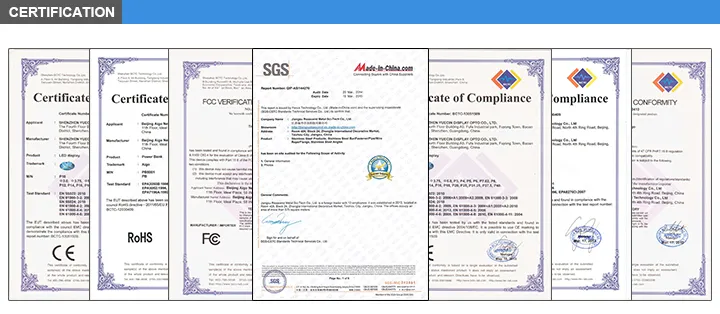
ISO9001:2000 Certified
Production Capacity
500 Molds/ Year
HS Code
8480719090
P

Packaging & Delivery

Package Size
550.00cm * 700.00cm * 561.00cm
Gross Weight
1060.000kg
Package Type
Crate/Pallet
Custom Made Plastic Injection Mould for Home Appliance
Custom Made Plastic Injection Mould

Emphasis is placed on the benefits of DFM (Design for Manufacturability) to create a more efficient production cycle and ultimately increase profitability. Design issues are addressed at the earliest possible stage by utilizing Moldflow® simulation software to identify vital information such as:

  • Filling Pattern
  • Sink Mark Estimate
  • Warpage Trends
  • Air Trap Estimate
  • Time & Pressures
S

Injection Mold Design Steps

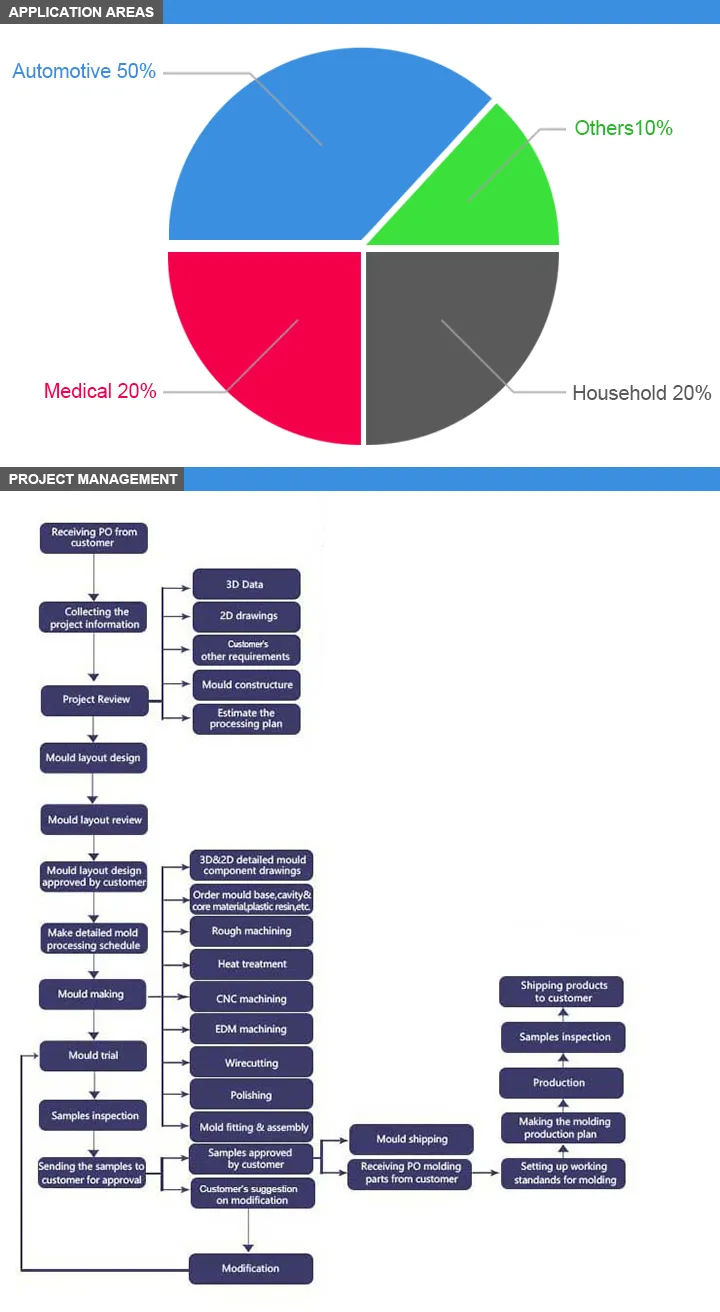
1. Plastic Analysis: Specify requirements, production batch, and calculate volume/mass to determine the number of cavities.

2. Selection of Injection Molding Machine: Determine structure based on volume and machine technical parameters like locking force and injection pressure.

3. Die Design Calculation: Working dimensions of concave/convex parts, cavity wall thickness, and heating/cooling systems.

4. Mold Structure Design: Selection of parting surface, gate position, ejection mechanism, and exhaust mode.

5. Mold Base Purchase: Selecting standard mold bases based on the manufacturer's atlas.

6. Parameter Verification: Checking maximum injection quantity, pressure, and clamping force.

T

Technical Parameters

Feature Specifications
Cavity Material 1.2738, 1.2343, 1.2344, S7, H13, P20HH, GS738H, LKM738H, 718, 8407, S136, NAK80, SKD-61, Aluminum etc.
Runner System Cold runner or Hot runner: YUDO/ HUSKY/ MOLD-MASTERS/ SYNVENTIVE/ HASCO/ DME
Gate Types Submarine, Tunnel, Side/Edge, Direct, Pin point, Fan, Banana, Horn, Valve gate hot manifold etc.
Plastic Material PS, SAN, PA, POM, ABS, PP, PET, PC, PE, HDPE, PA66+GF, PVC, TPE, TPU, PPSU, Acrylic, PMMA etc.
Processing CNC machining, High speed carve, EDM, Wiring-cutting, Drill, Polish etc.
Lead Time 10-30 work days depends on the structure and size
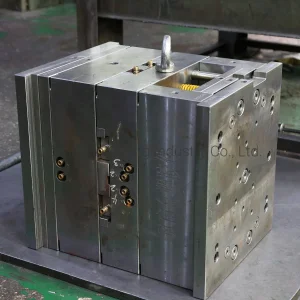
Mould Detail View
Mould Technical Drawing
Q

Quality Assurance Process

  • Mold Design Control
  • Mold Steel Hardness Inspection
  • Mold Electrodes Inspection
  • Mold Core and Cavity Steel Dimension Inspection
  • Mold Pre-Assembly Inspection
  • Mold Trial Report and Samples Inspection
  • Pre-Shipment Final Inspection
  • Export Product Package Inspection
M

Manufacturing Capabilities

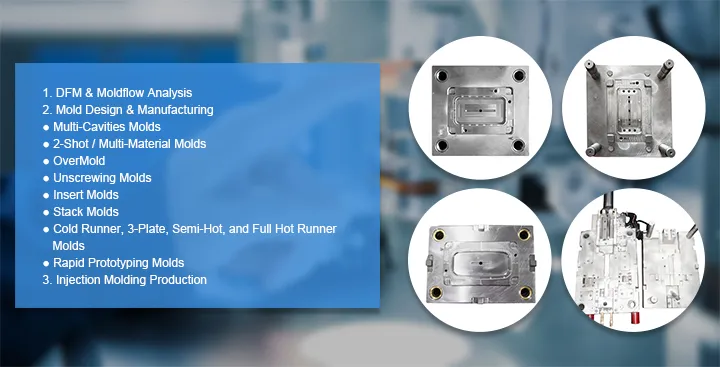
A wide variety of Plastic Injection Molds are produced, ranging from small M.U.D. inserts to molds of 15 tons. Capabilities include:
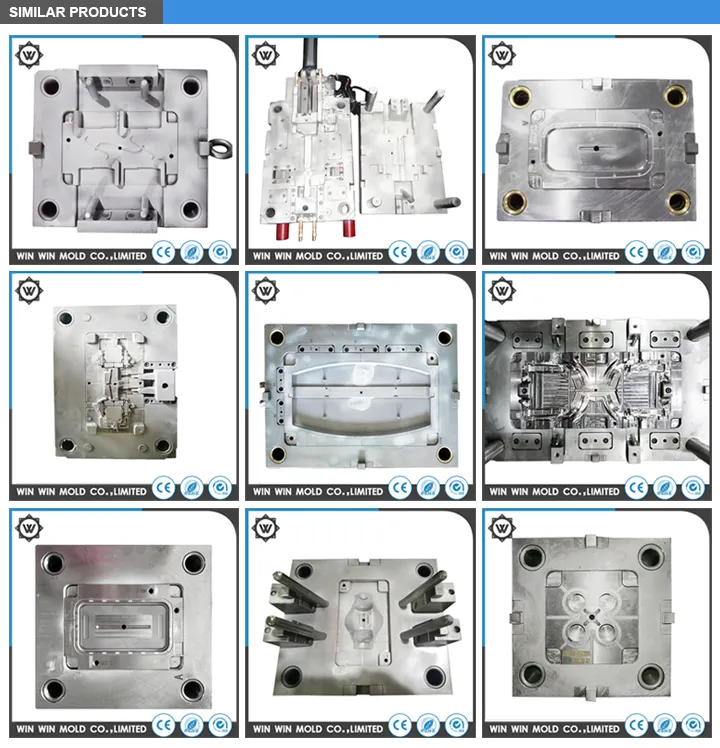
Multi-Cavities Molds
2-Shot / Multi-Material Molds
OverMold & Insert Molds
Unscrewing & Stack Molds
Cold & Hot Runner Systems
Rapid Prototyping Molds
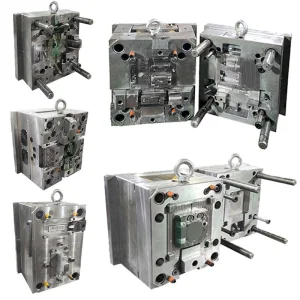
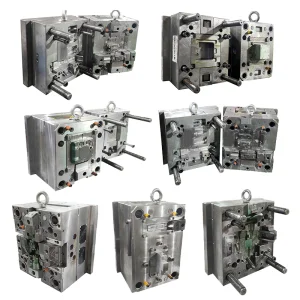
Similar Products 1
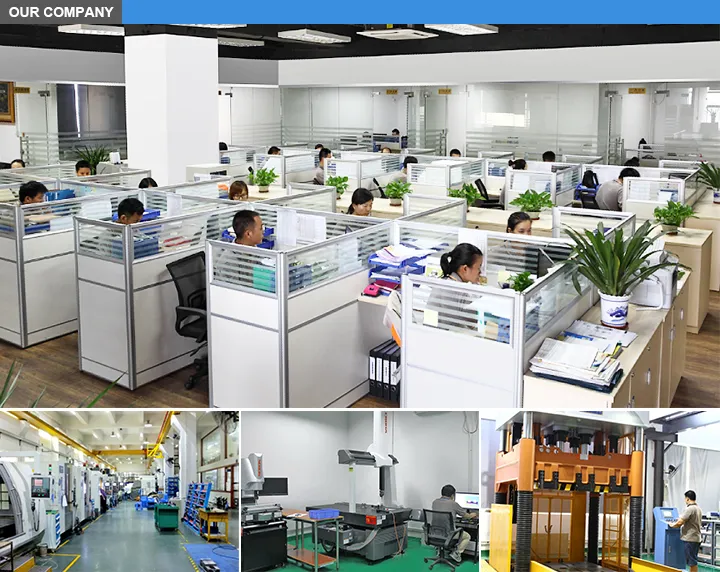
Factory View
Final Product Gallery
?

Frequently Asked Questions

1. I have an idea for a new product, but I don't know if it can be manufactured. Can you help? Yes! We are always happy to work with potential customers to evaluate the technical feasibility of your idea or design and we can advise on materials, tooling and likely set-up costs.
2. My components have already been developed on CAD. Can you use the drawings? Yes! DWG, DXF, IGES, Solid works and STP, X_T files can all be used to generate quotes, models and mould tools - this can save time and money in producing your parts.
3. Can I test my idea/component before committing to mould tool manufacture? Yes, we can use CAD drawings to make Prototype models for design and functional evaluations or market test.
4. What type of plastic is best for my design/component? Materials selection depends on the application of your design and the environment in which it will function. We will be happy to discuss the alternatives and suggest the best material.
5. What type of mould tool do I need? Mould tools can be either single cavity (one part at a time) or multi-cavity (2, 4, 8 or 16 parts at a time). Single cavity tools are generally used for small quantities, whereas multi-cavity tools are for larger quantities.
6. How long will it take to get my parts? It can take 3 to 6 weeks to have the mould tool manufactured depending on complexity. After final approval, you can expect delivery of T1 parts within 3-6 weeks.

Related Products