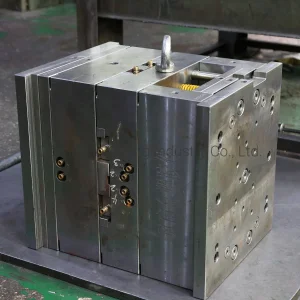
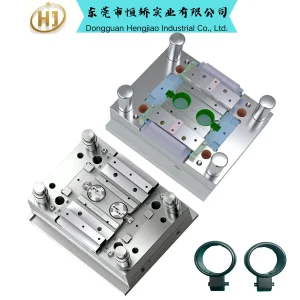
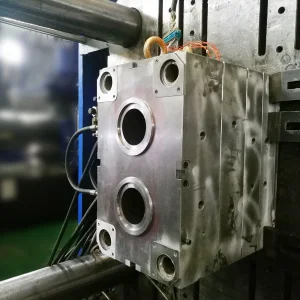
High-integrity injection and compression tooling built to endure demanding high-volume cycles, optimized for regional distribution centers across Dili and Southeast Asian markets.
As the Democratic Republic of Timor-Leste progresses through its national development framework, the country is actively pivoting from a commodity-dependent economy to a diversified manufacturing and assembly layout. Driven by initiatives to establish light industries, regional hubs in Dili, Baucau, and the Oecusse Special Administrative Region (RAEOA) are witnessing structural transformations. This industrial push calls for a robust domestic manufacturing ecosystem, especially in the home appliance assembly sector, which reduces import dependencies for essential daily commodities.
Manufacturing and assembly facilities operating in Timor-Leste face specific geographic challenges. The tropical monsoonal climate brings high relative humidity and elevated atmospheric salinity. Standard tool steels are highly vulnerable to accelerated oxidation and micro-corrosion under these conditions. Recognizing this risk, Suzhou Ohio Machinery Co., Ltd. customizes molds using specialized rust-preventive surface treatments, hardened stainless steel bases (such as SUS420 or S136), and optimized internal cooling channels to prevent condensation during processing cycles.
Furthermore, local operators require tooling designed for efficiency and stability to withstand voltage fluctuations and localized power outages. Molds exported to Timor-Leste are configured with robust slide mechanisms, localized mechanical interlocks, and standardized alignment pillars that ensure structural integrity during interrupted injection cycles. This reduces downtime and limits maintenance requirements to tools that can be serviced with local technicians.
Timor-Leste's proximity to major trade corridors like Indonesia and Australia demands that manufactured home appliances meet rigorous safety and durability standards. Our engineering team ensures all structural parts, electrical enclosures, and mechanical linkages comply with regional regulatory standards. By leveraging mold flow analysis and advanced prototyping, we empower local manufacturers in Timor-Leste to transition from low-value plastic molding to high-precision component fabrication.
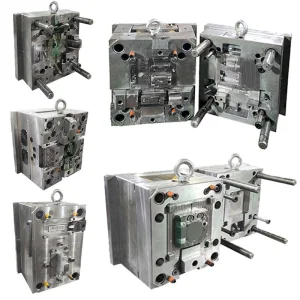
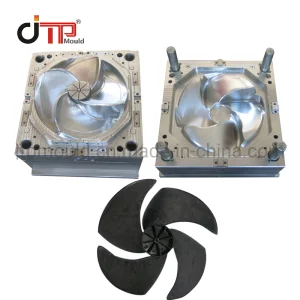
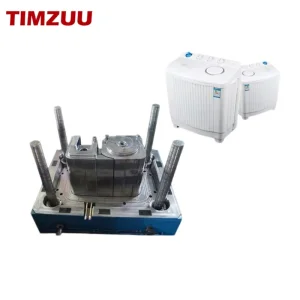
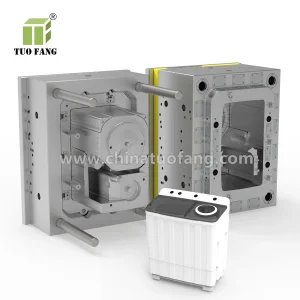
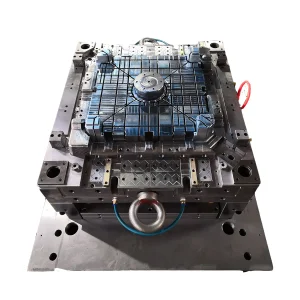
Engineered for high-volume consumer goods, fans, and washing machinery assemblies deployed in high-temperature equatorial environments.
Located in Suzhou, China—one of the world's most advanced manufacturing hubs—Suzhou Ohio Machinery Co., Ltd. bridge the gap between global industrial excellence and the unique requirements of emerging markets like Timor-Leste. As an established, certified exporter, we deliver high-precision mold bases, custom mold components, and tooling solutions designed to perform under demanding local conditions.
Our material sourcing strategy utilizes both domestic and imported tool steels, including premium plastic mold steel, hot-work tool steel, cold-work tool steel, and high-speed stainless steel. Every block of steel is ultrasonically tested for internal voids or micro-cracks before CNC milling begins, guaranteeing tool reliability that minimizes deformation under clamping pressures exceeding 1,200 tons.
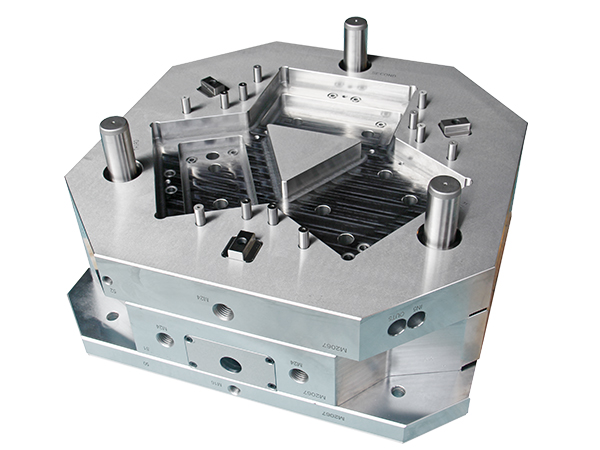
Suzhou Ohio Machinery Manufacturing Facility - CNC Machining & Raw Material Staging Center
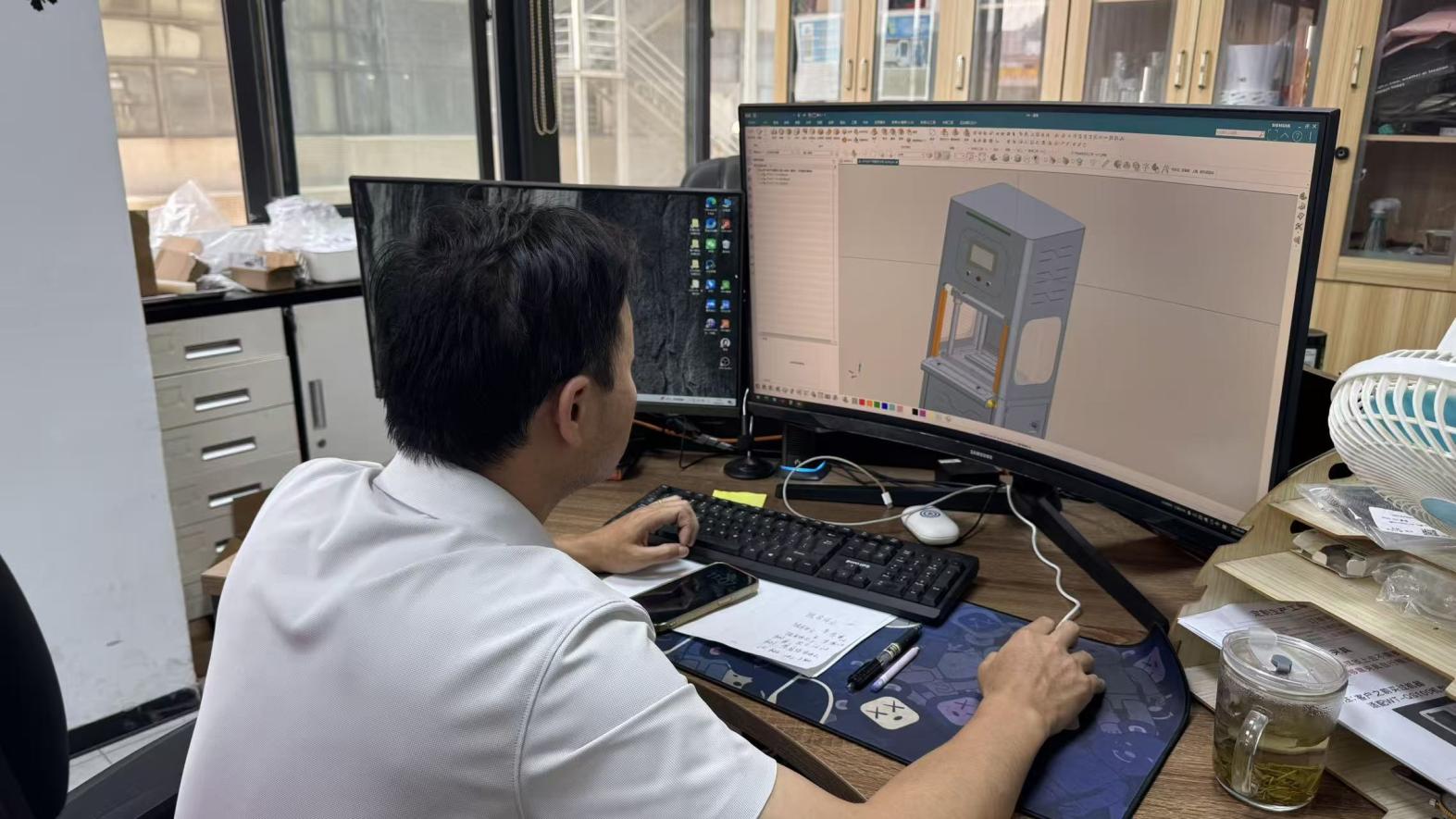
With an experienced technical team specialized in precision machining, mechanical engineering, and metrology, we operate under rigorous quality control standards. From initial mold flow analysis (MFA) to final dimensional inspection reports (DIMs), we keep clients informed throughout the development process. Our facility integrates precision electrical discharge machining (EDM), CNC wire cutting, and high-speed CNC engraving machines to achieve precision tolerances down to 0.01mm, ensuring optimal seal lines and parting-line accuracy for plastic injection components.
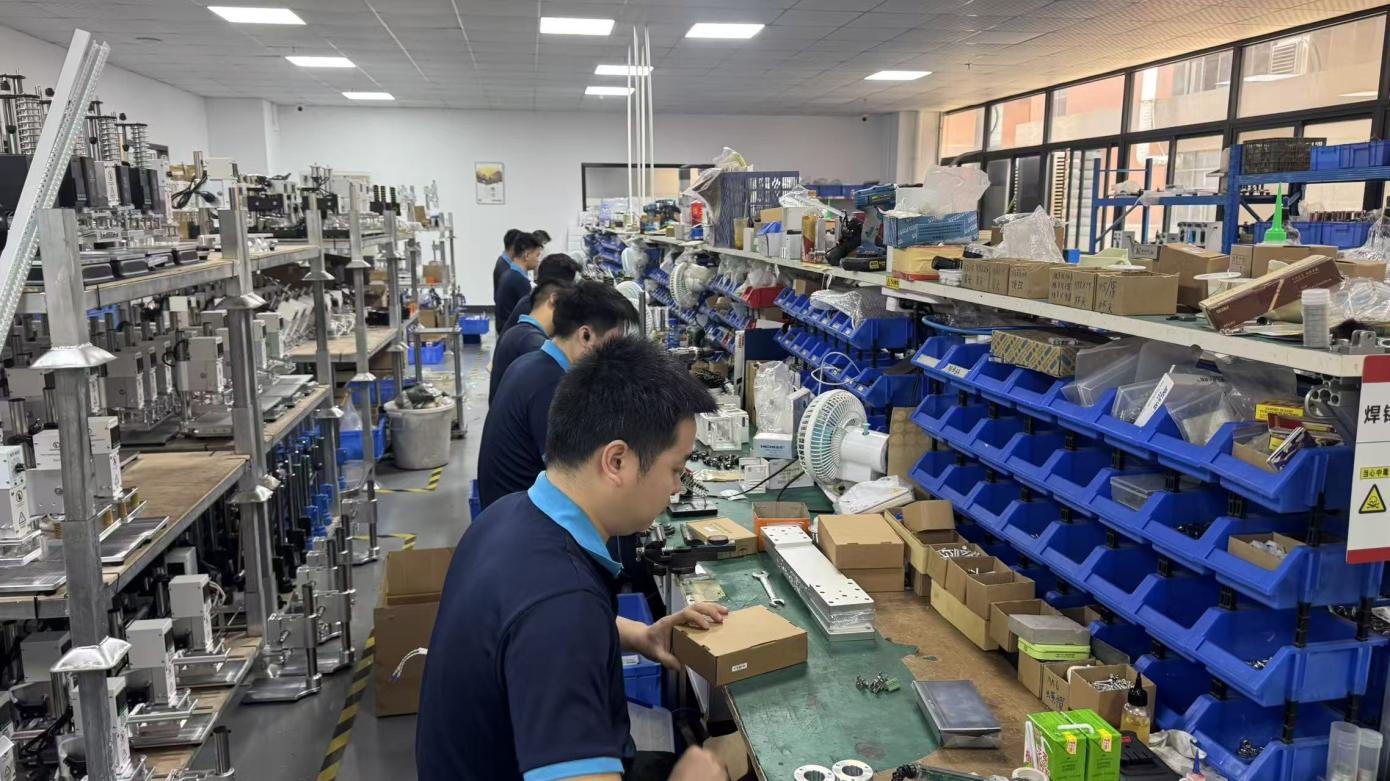
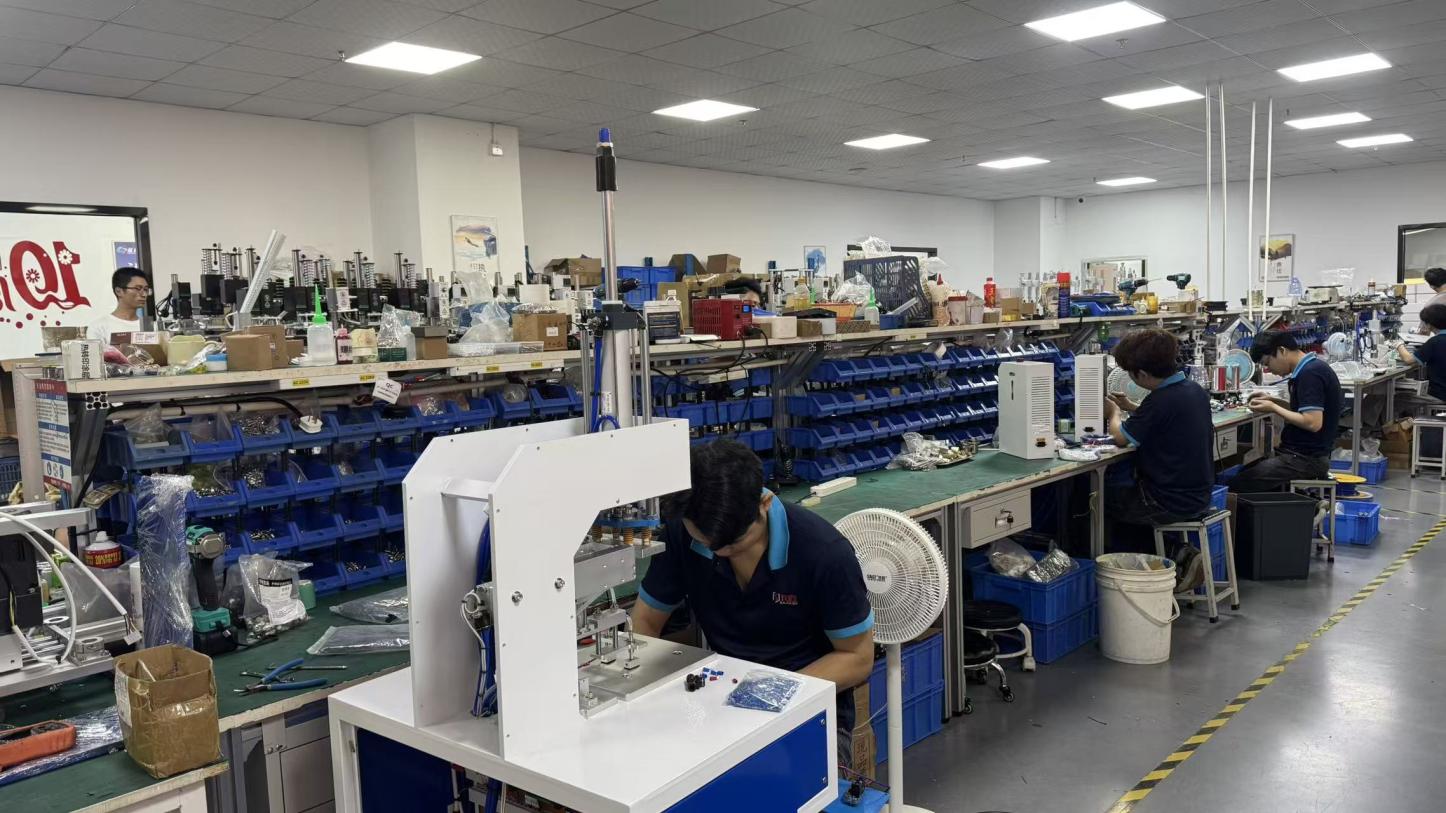
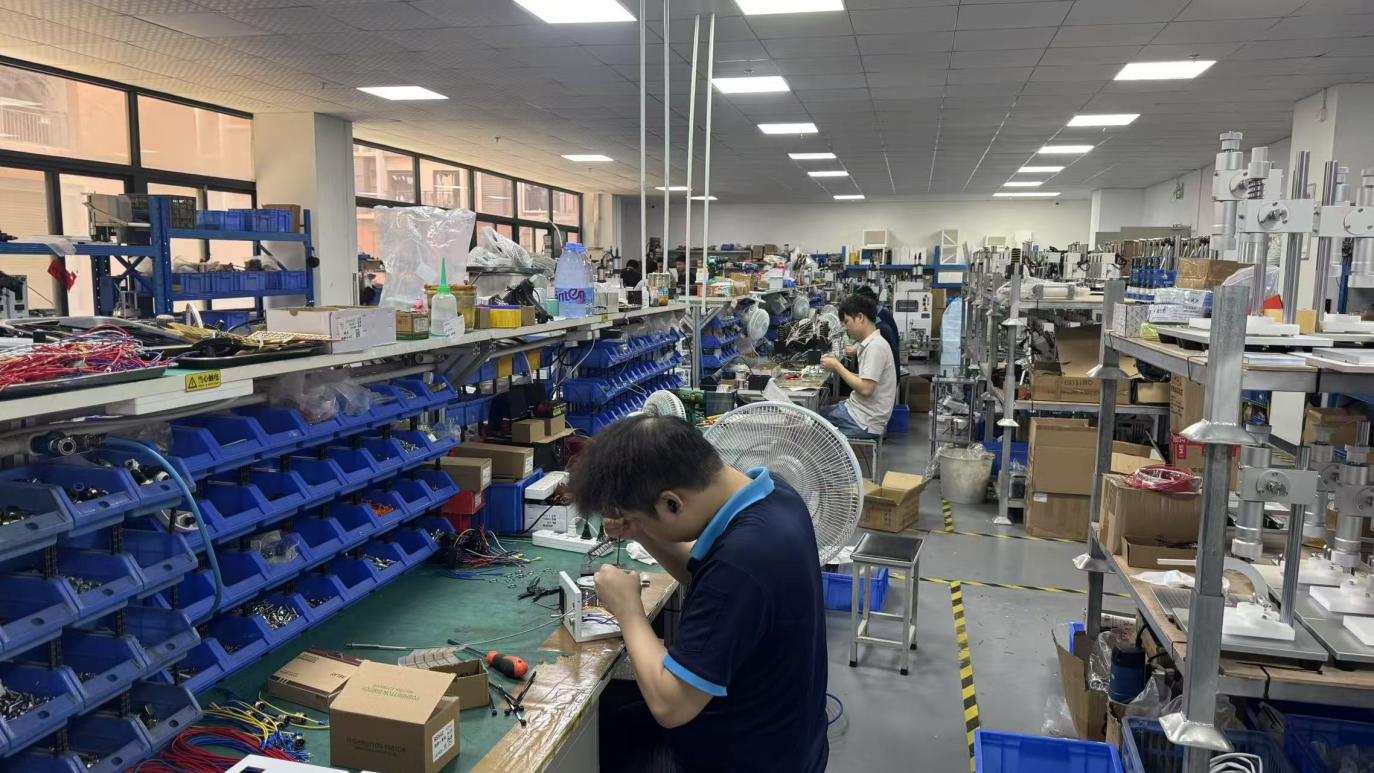
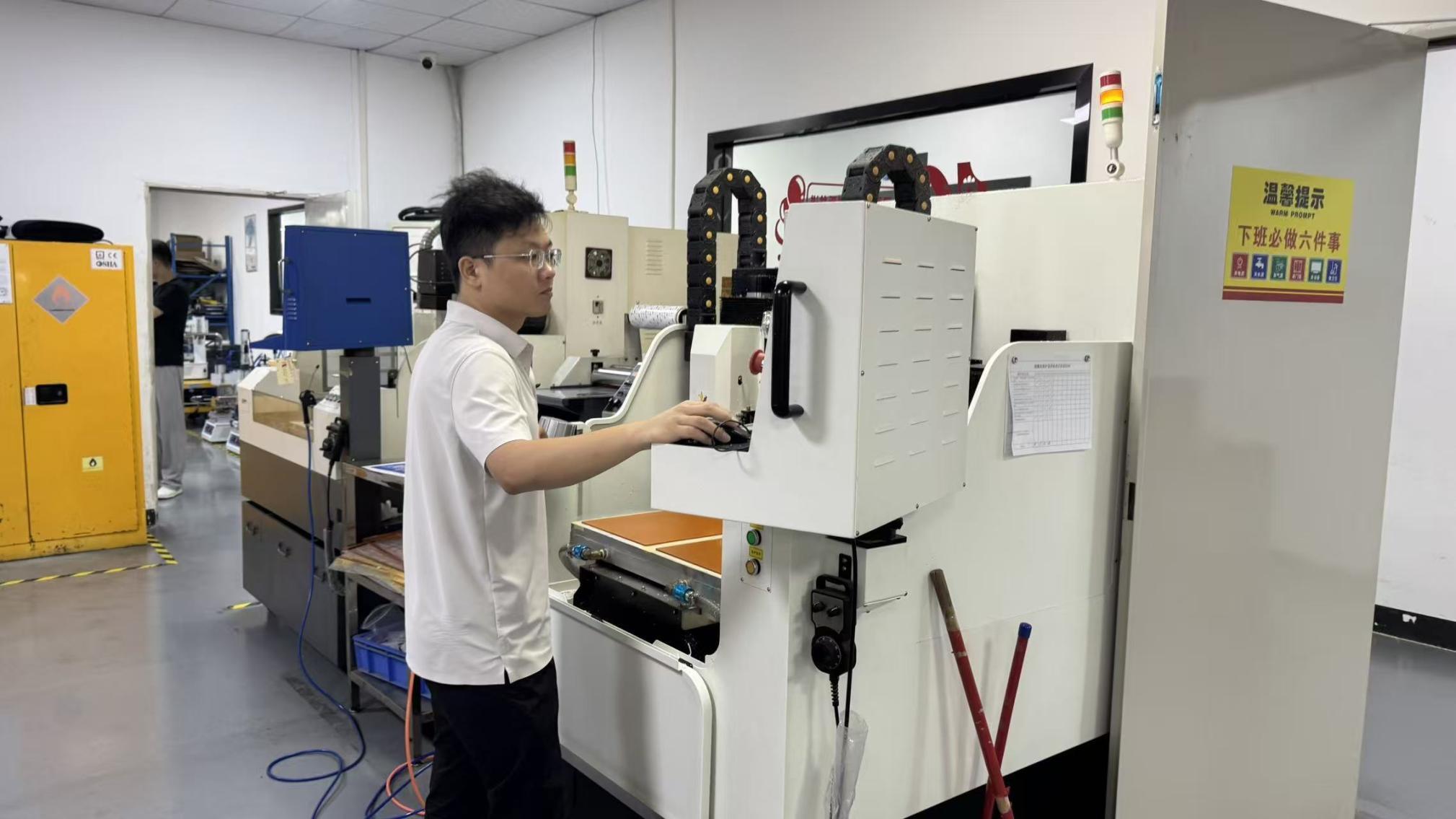
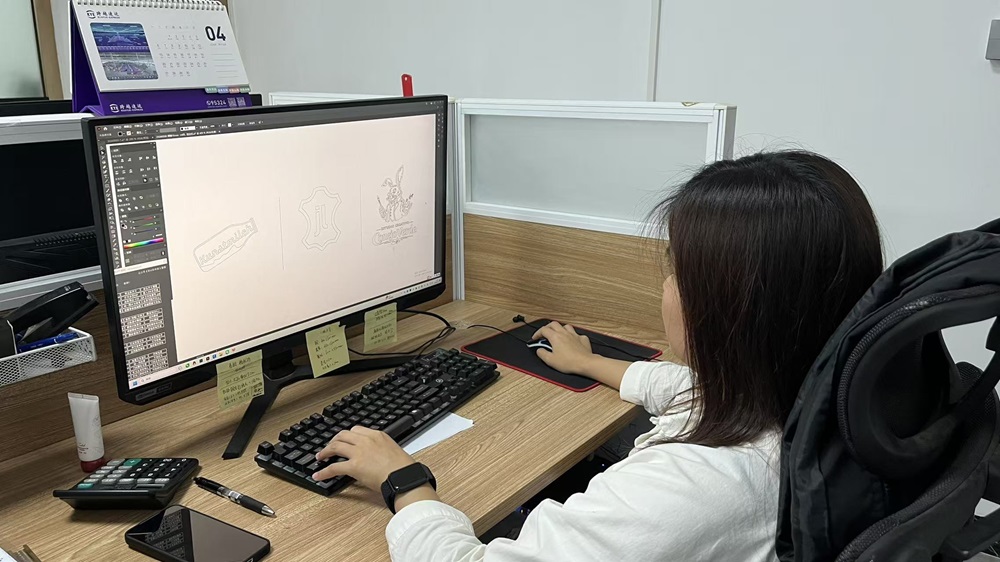
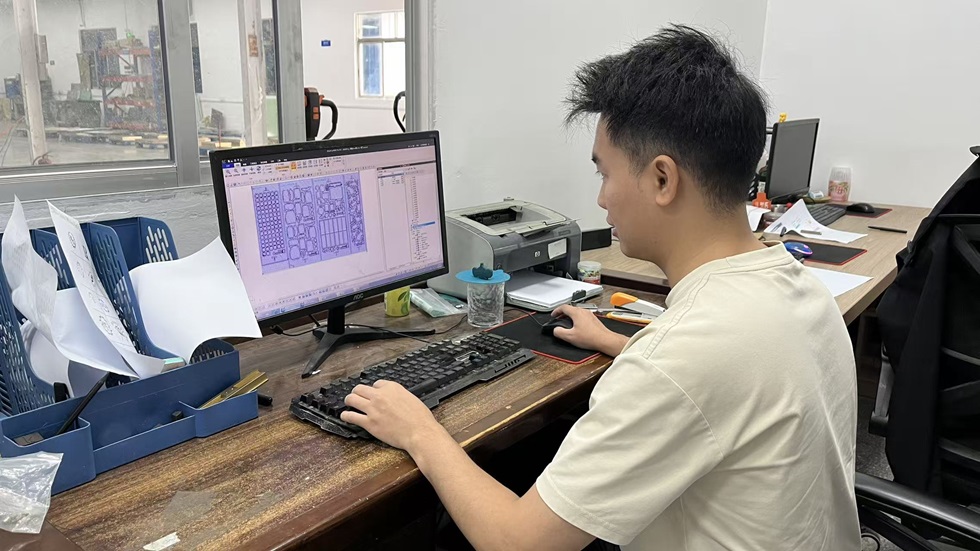
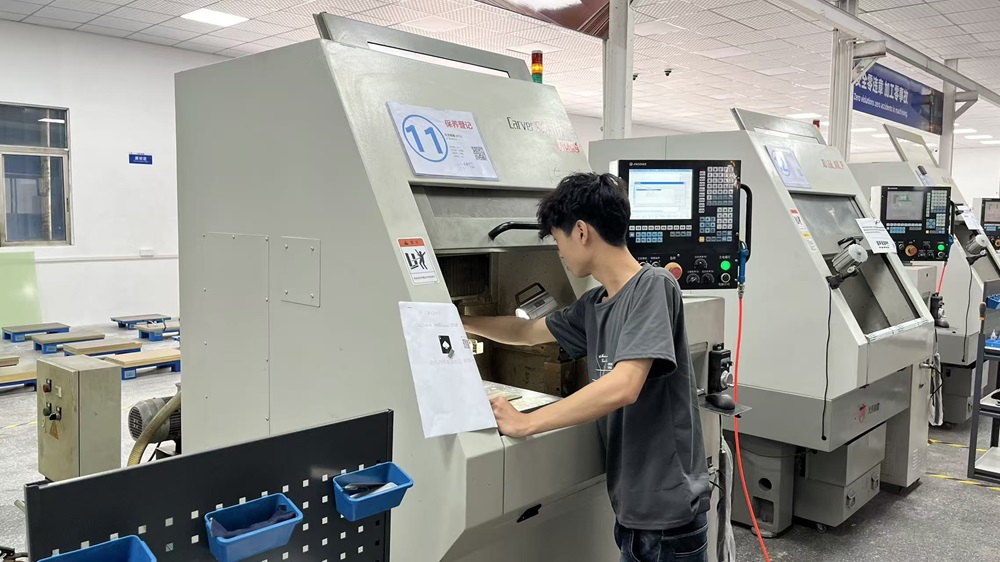
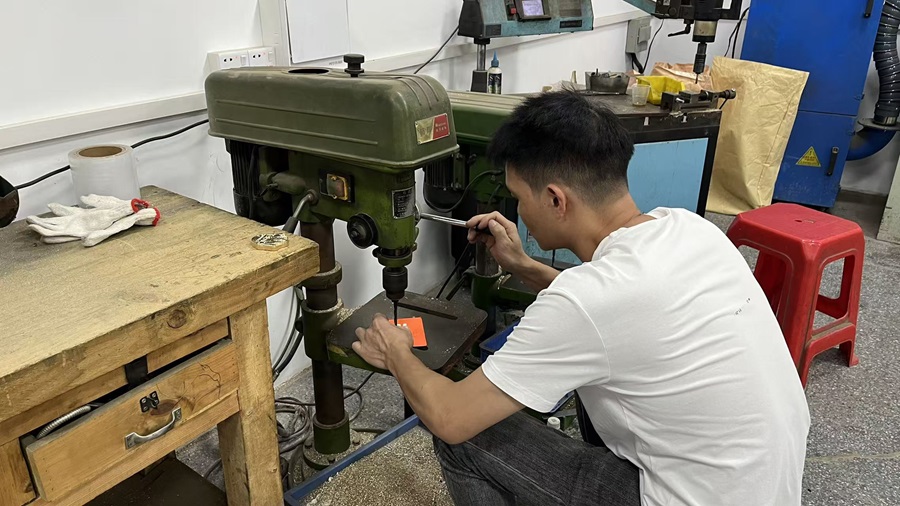
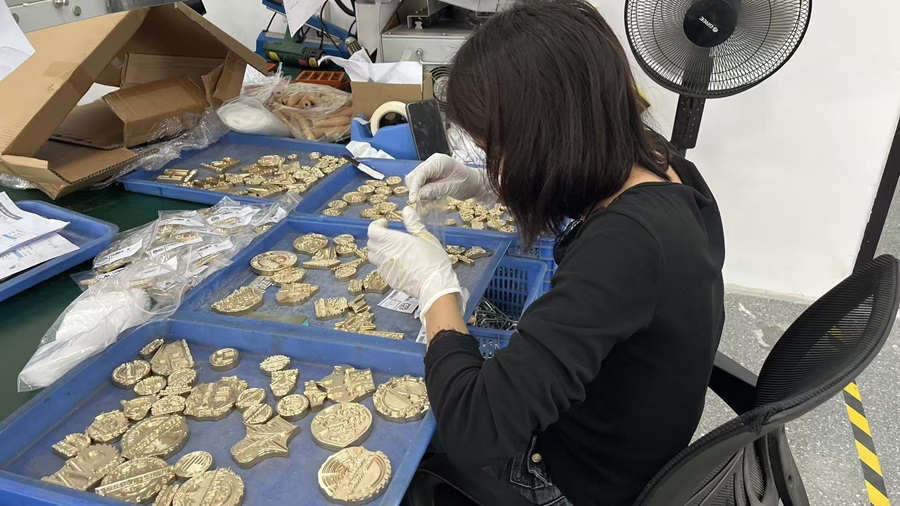
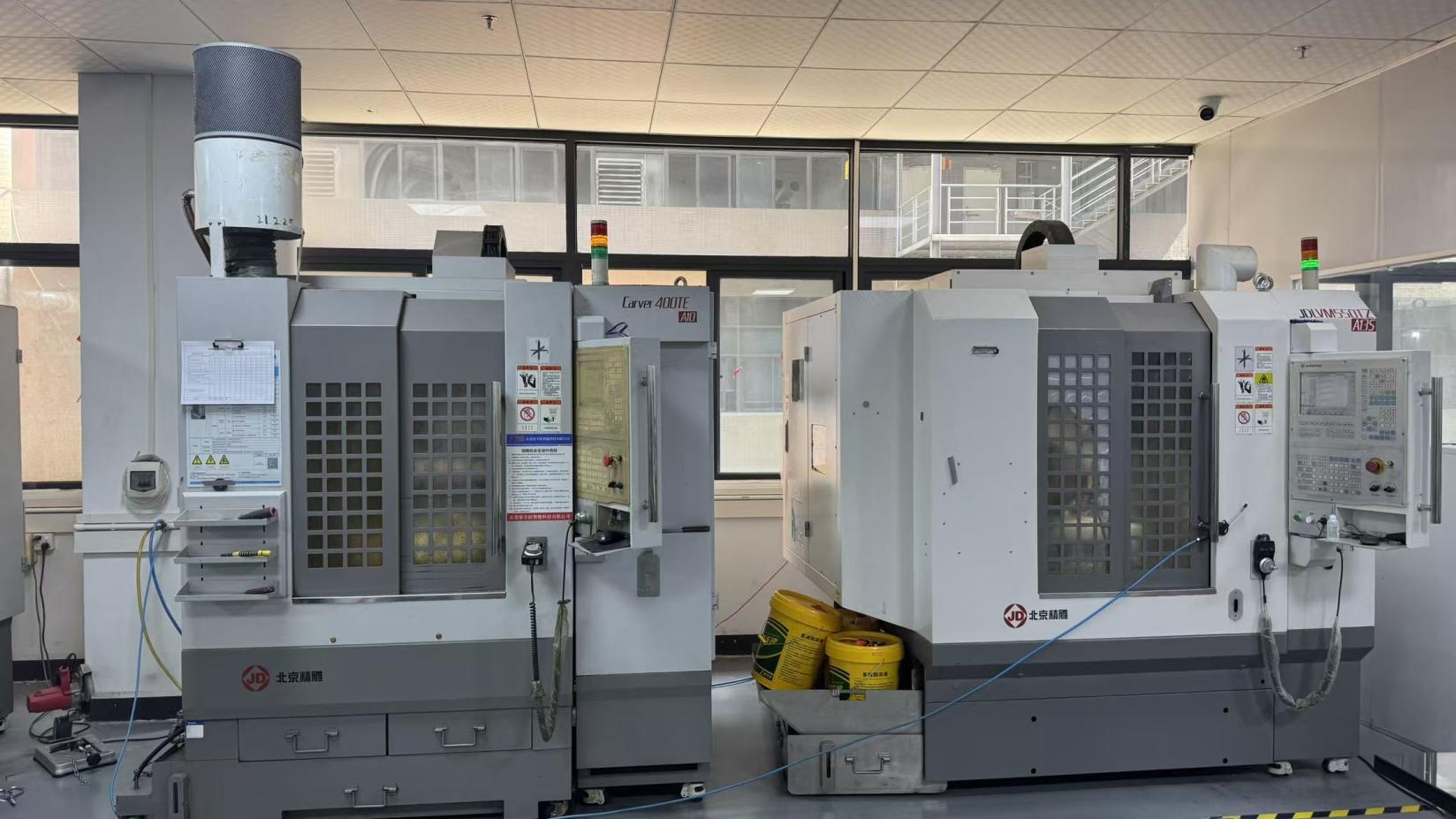
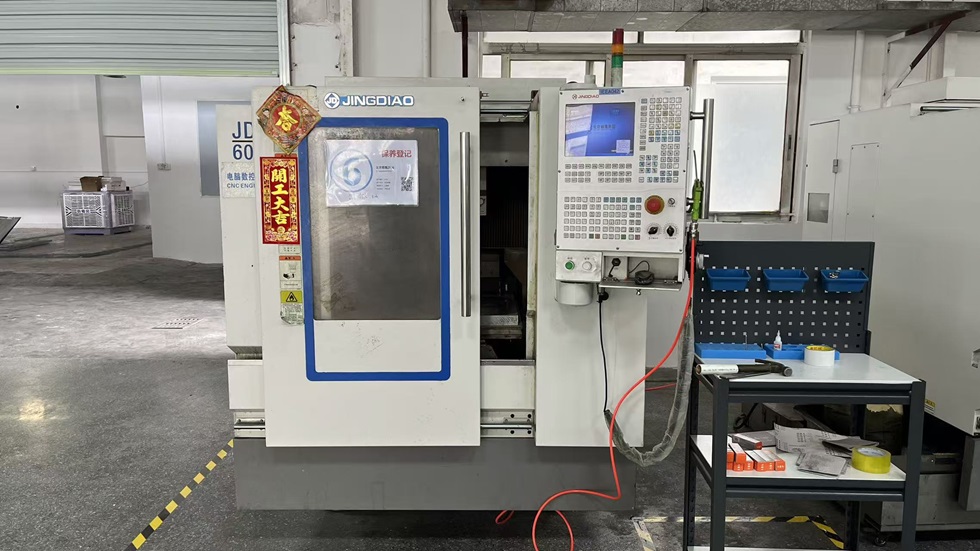
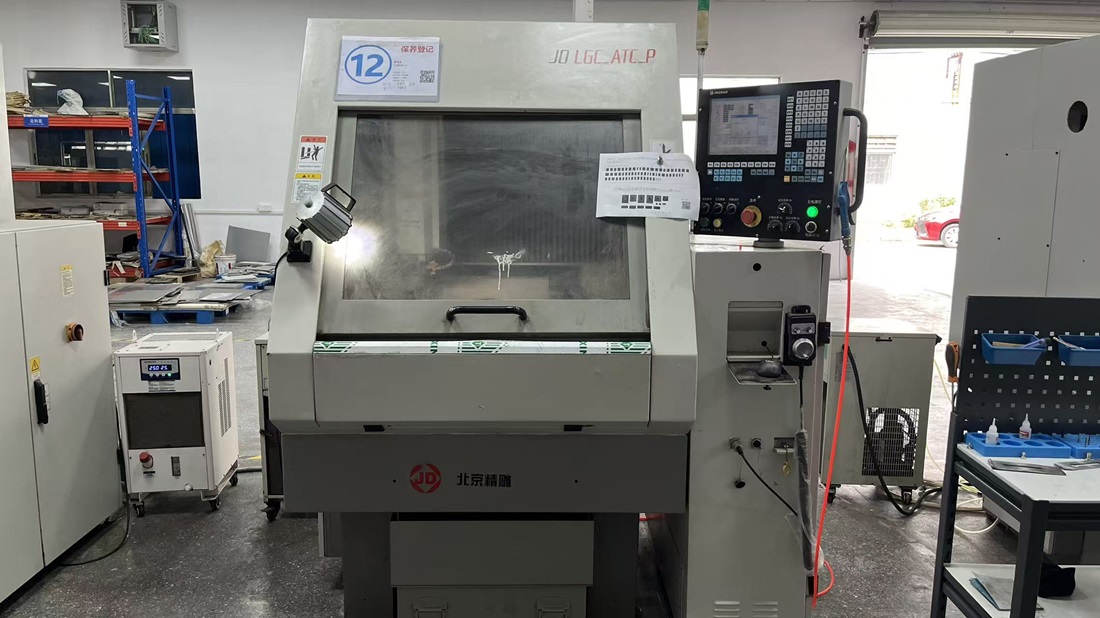
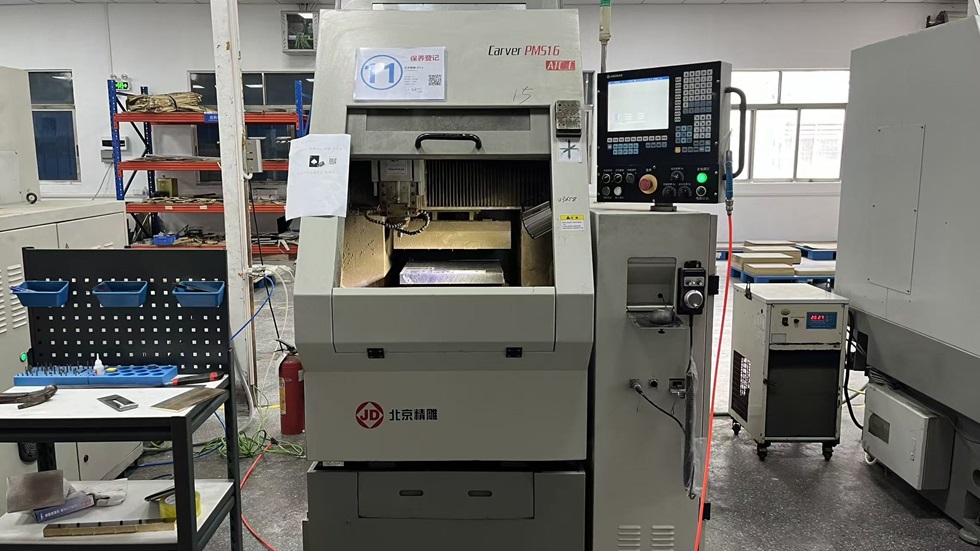
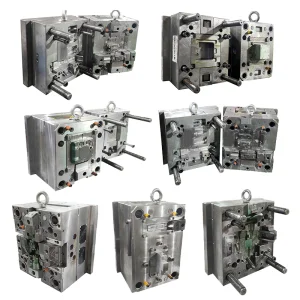
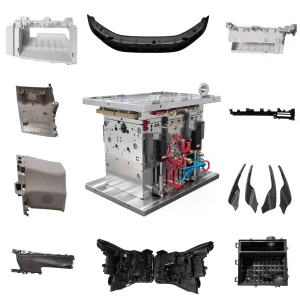
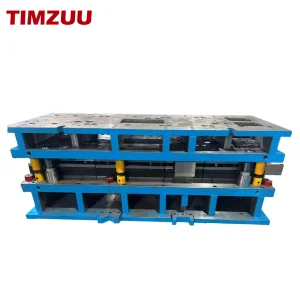
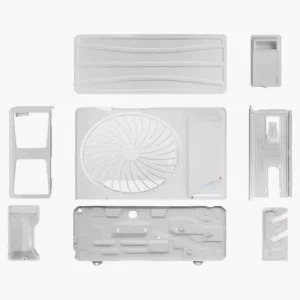
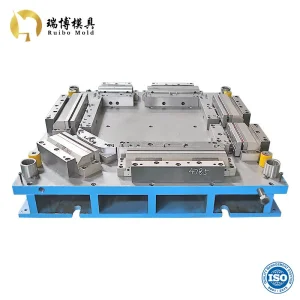
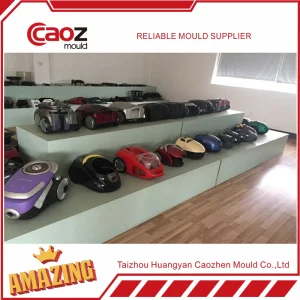
Industrial components and structural stamping dies developed to support local appliance assembly lines, ranging from cooling systems to laundry machines.
For industrial developers in Timor-Leste, shipping finished consumer appliances from traditional manufacturing bases incurs substantial cargo fees, import duties, and port clearance handling at Tibar Bay Deepwater Port. Setting up local injection molding and metal stamping plants helps reduce these supply chain costs. Localizing production lines allows companies to leverage regional tax incentives, lower logistics costs, and quickly adapt to changing market demands.
When engineering molds for regional production lines, selecting the right hot runner configuration is critical. In places with high material transport costs like Timor-Leste, waste reduction is a key financial factor. Utilizing hot runner systems (such as Yudo or Mold-Master) minimizes cold runner scrap and reduces material waste to almost zero. This design saves material and significantly shortens cycles, allowing local plants to achieve high output without increasing operational costs.
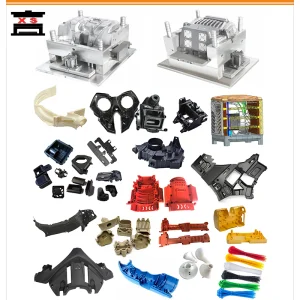
Appliance parts made from abrasive plastics (such as glass-fiber reinforced polyamides) can cause rapid wear on mold cavities. To ensure tool longevity, our factory uses advanced vacuum heat treatments to harden inserts up to HRC 48-52. This wear resistance is crucial for producing internal gears, washing machine pulsators, and compressor brackets, ensuring tools remain dimensional stable over hundreds of thousands of cycles.
Because skilled tool and die technicians are in high demand in developing markets, we design our molds for easy on-site maintenance. Insert lines, ejector systems, and cooling manifolds are engineered for quick access. This allows local maintenance teams to inspect and service the molds with standard workshop tools, minimizing production downtime.
Clear answers to engineering, shipping, and maintenance questions for manufacturing operations in Timor-Leste and the surrounding region.
Partner with Suzhou Ohio Machinery Co., Ltd. to access high-precision, reliable tooling solutions designed for the manufacturing conditions in Timor-Leste.
Send Inquiry Now Ohio Machine