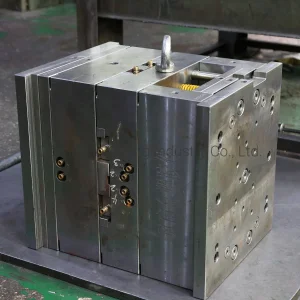
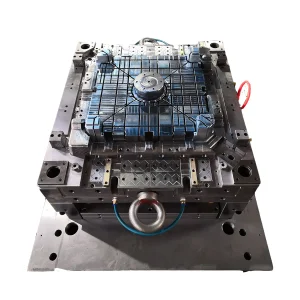
Engineered to withstand coastal climatic challenges while offering superior injection cycle efficiency.
In Antigua and Barbuda, the demand for durable household appliances has risen sharply alongside the continuous development of tourism infrastructure, luxury residential communities, and commercial hospitality hubs. However, the island's unique tropical marine climate poses extreme material challenges. High salinity levels, constant humidity, and salt-laden winds cause standard electrical components and structural assemblies to degrade rapidly.
To mitigate these factors, international and domestic appliance brands targeting the Caribbean must optimize component materials. This includes switching to UV-resistant polymers and employing specialized hot-dip galvanized or stainless-steel internal framing. Developing home appliance molds specifically tailored to run high-performance engineering plastics like ABS, PP, and PA66 with glass-fiber additives is essential. This strategy is critical to serving the regional consumer market successfully.
Molds are finished with advanced PVD chrome coatings to resist structural degradation from high-chloride tropical atmospheres.
Multi-cavity designs and precision hot runner systems minimize scrap rates, optimizing operations for islands with high energy costs.
Quick-change tooling inserts allow manufacturers to switch between regional variations, reducing lead times and shipping costs.
Small Island Developing States (SIDS), such as Antigua and Barbuda, face logistical challenges including long shipping transit times, lack of local heavy mold maintenance tooling, and high import duty barriers. Suzhou Ohio Machinery Co., Ltd. addresses these challenges by offering robust, maintenance-free, long-life injection and stamping molds designed for production runs in localized facilities.
By providing pre-tested molds made from ultra-hardened tool steels (including DIN 1.2344, NAK80, and S136 stainless steel), we ensure that Caribbean factories can operate continuously with minimal maintenance. This reduces the risk of expensive production halts and minimizes reliance on foreign engineering support.
| Mold Class | Recommended Steel Grade | Applicable Appliance Components | Antigua Climatological Adaptation |
|---|---|---|---|
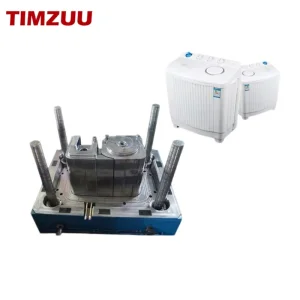
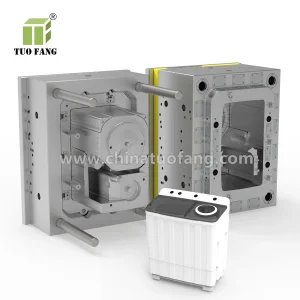
| Double Injection Plastic Mold | S136 HRC 48-52 (Mirror finish) | Washing machine control panels, waterproof seals | Hermetic water resistance, UV fading protection |
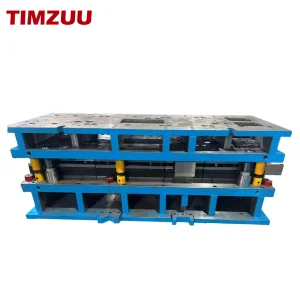
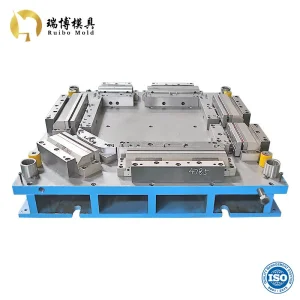
| Precision Progressive Stamping Die | SKD11 / D2 HRC 58-62 | AC brackets, outdoor chassis components | Severe corrosion resistance, wind-shear load structural integrity |
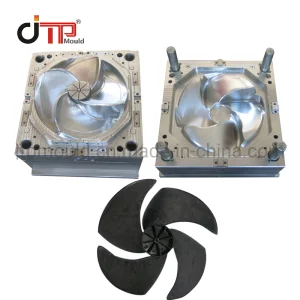
| Standard Injection Mold | 718H / P20 pre-hardened | Fan blades, refrigerator inner liners | High dimensional stability, high humidity impact resistance |
Based in the manufacturing hub of Suzhou, China, Suzhou Ohio Machinery Co., Ltd. supplies high-precision tooling systems, custom injection molds, and progressive stamping dies globally. Our products serve demanding industries worldwide, including medical devices, automotive components, consumer electronics, and coastal-adapted home appliances.
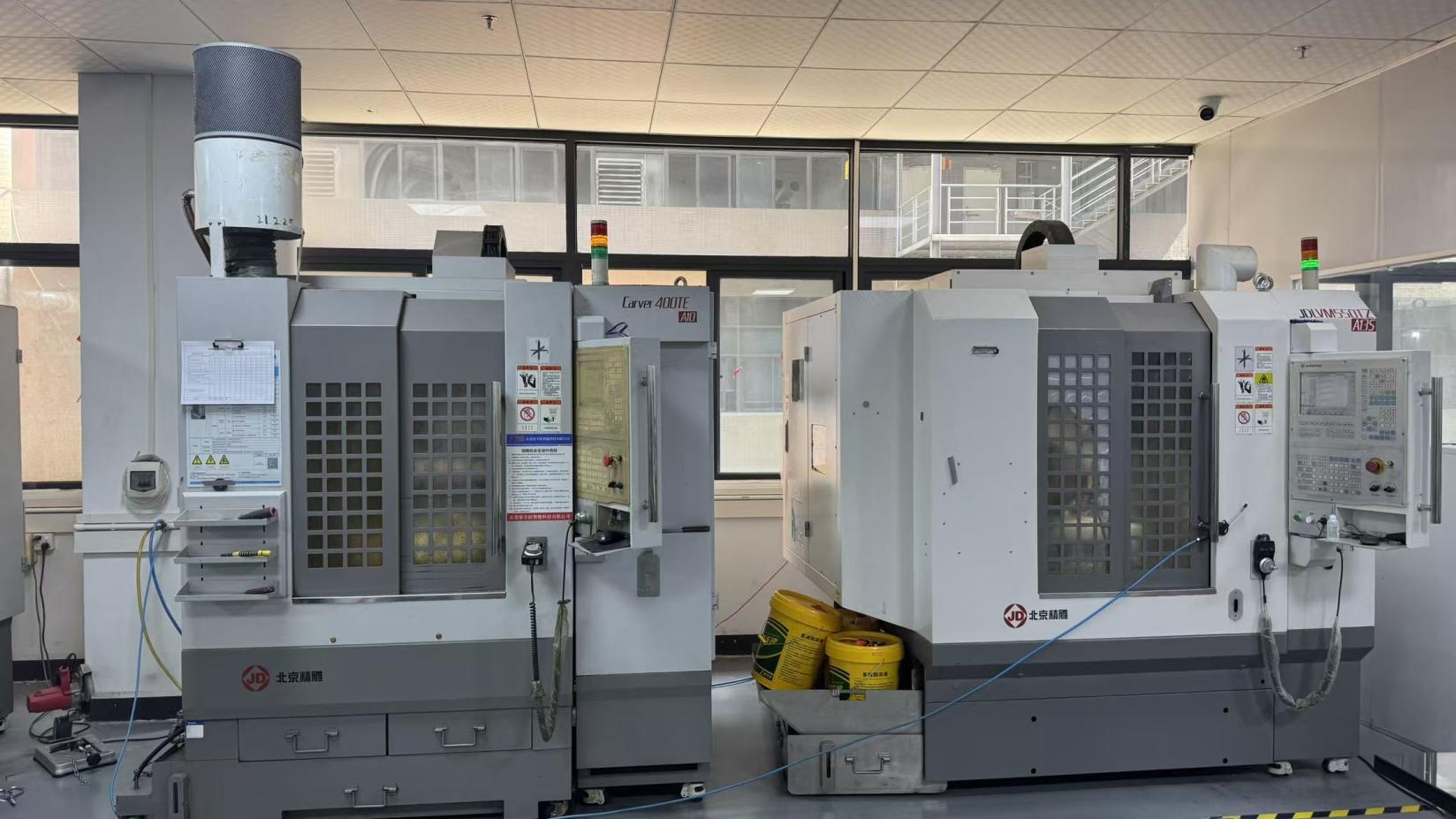
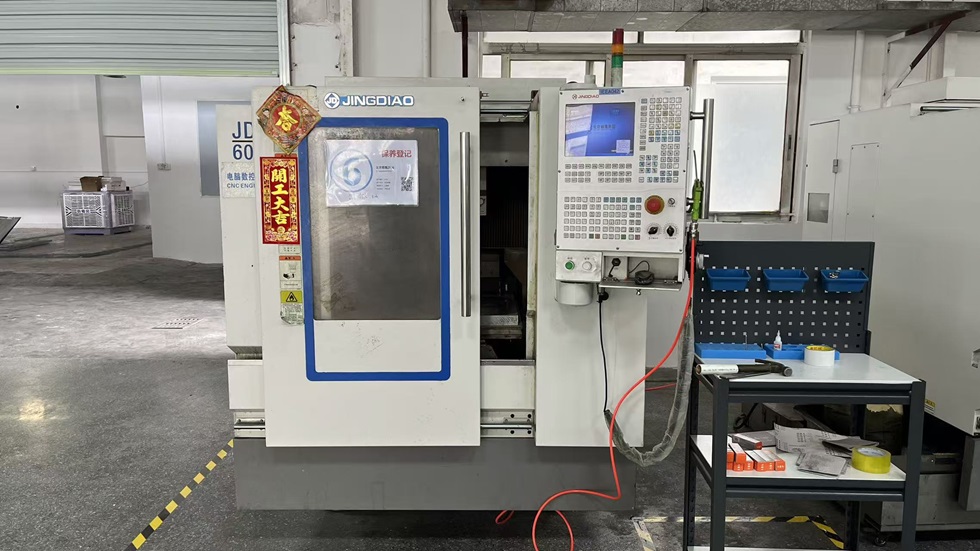
By integrating advanced CNC machining centers, slow-wire EDM cutting, and scientific mold flow simulations, we supply complete turnkey tooling systems. This approach reduces overall cycle times while maintaining high dimensional tolerances.
Request Industrial Consultation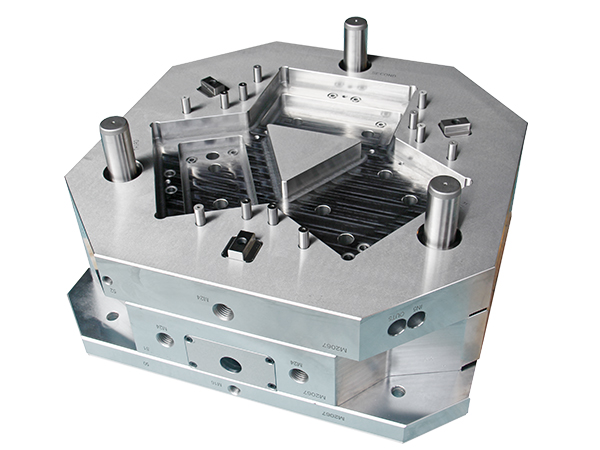
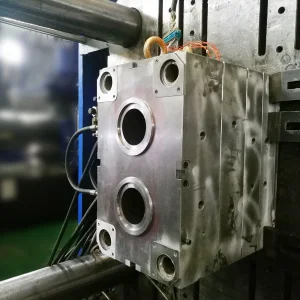
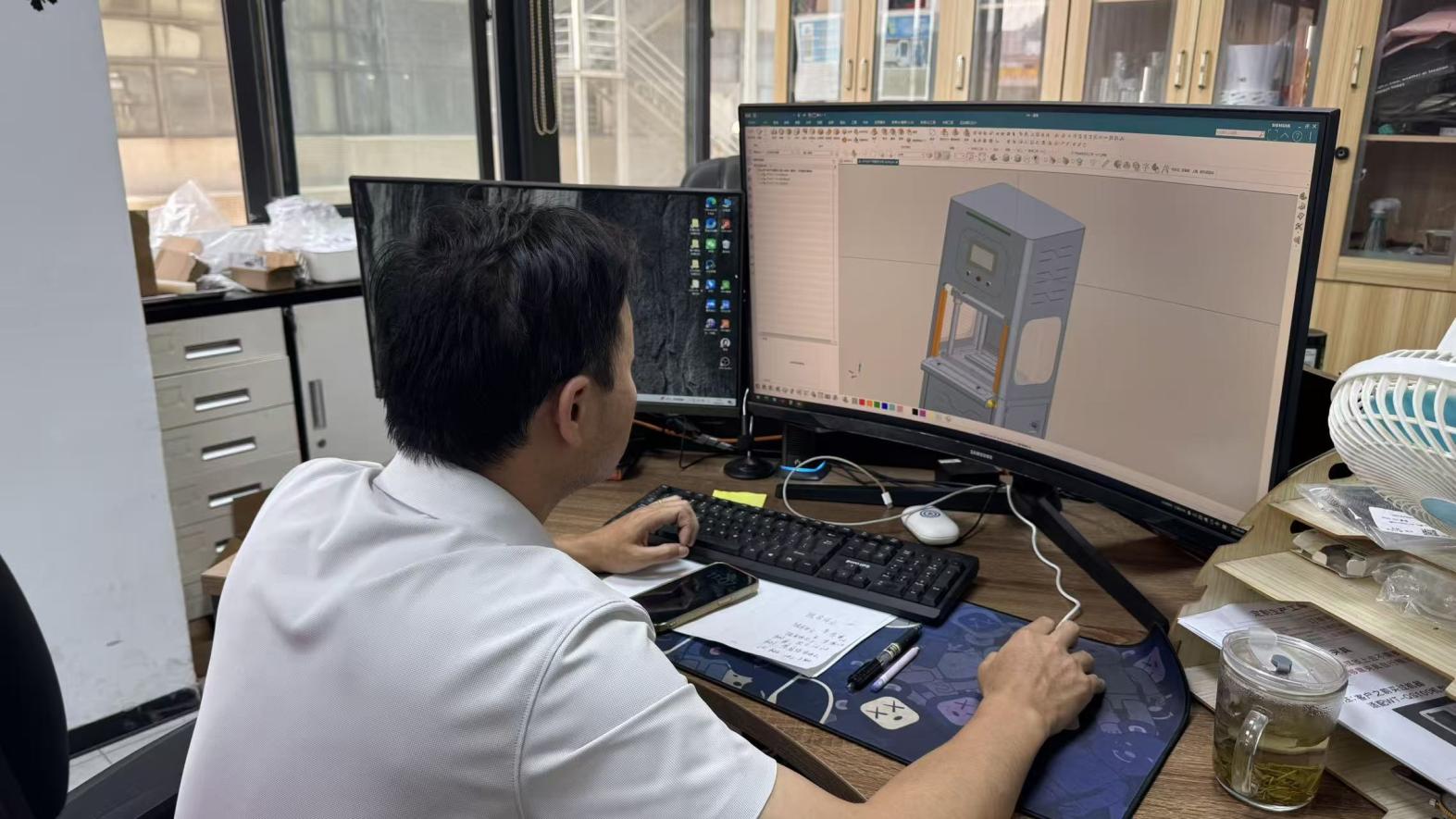
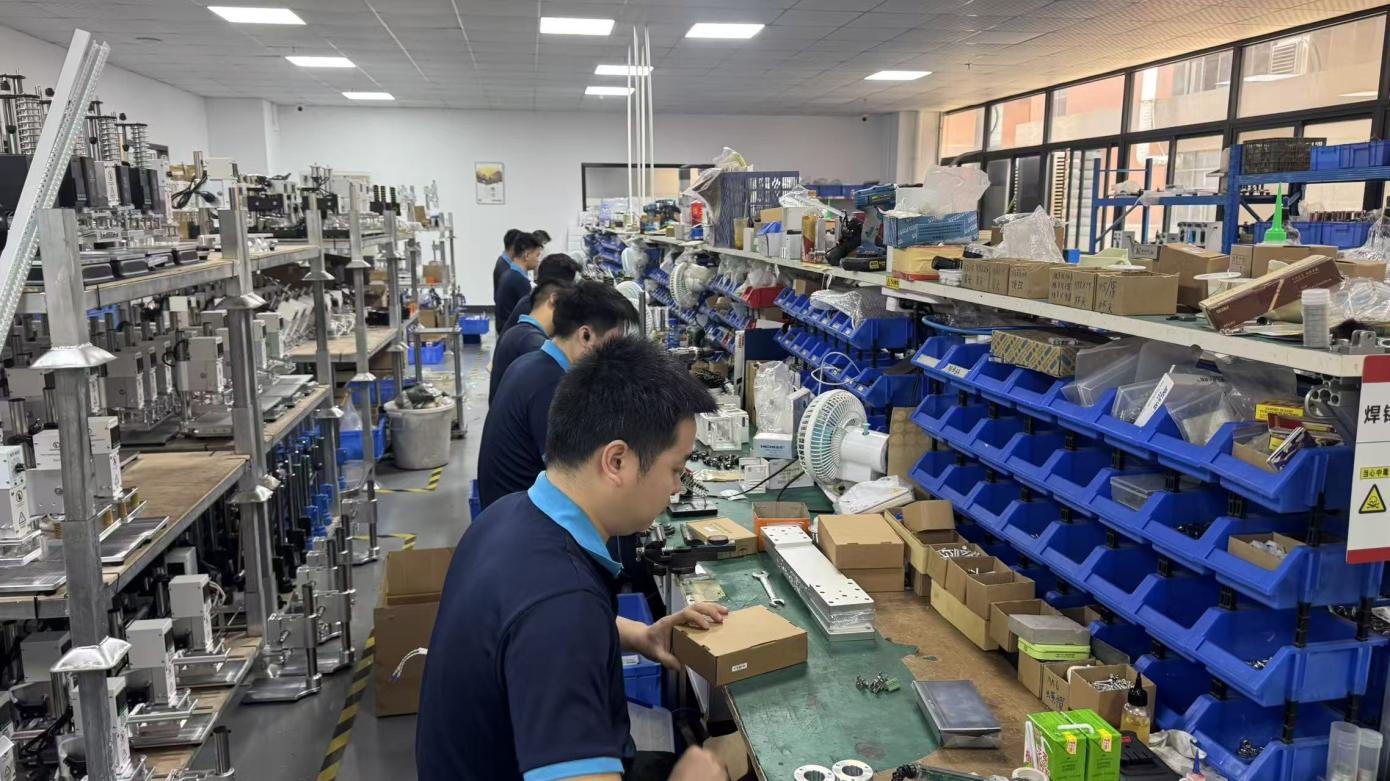
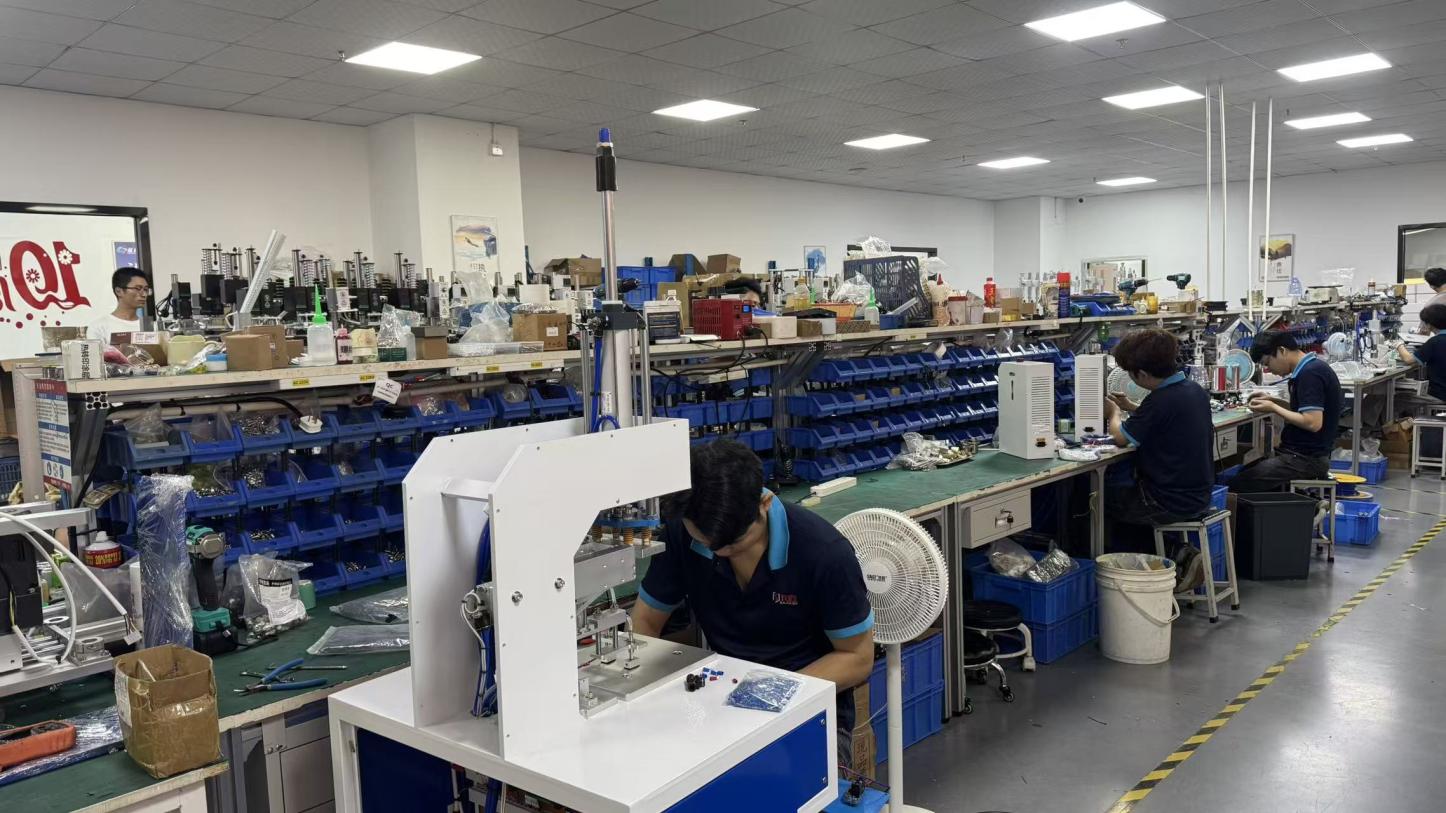
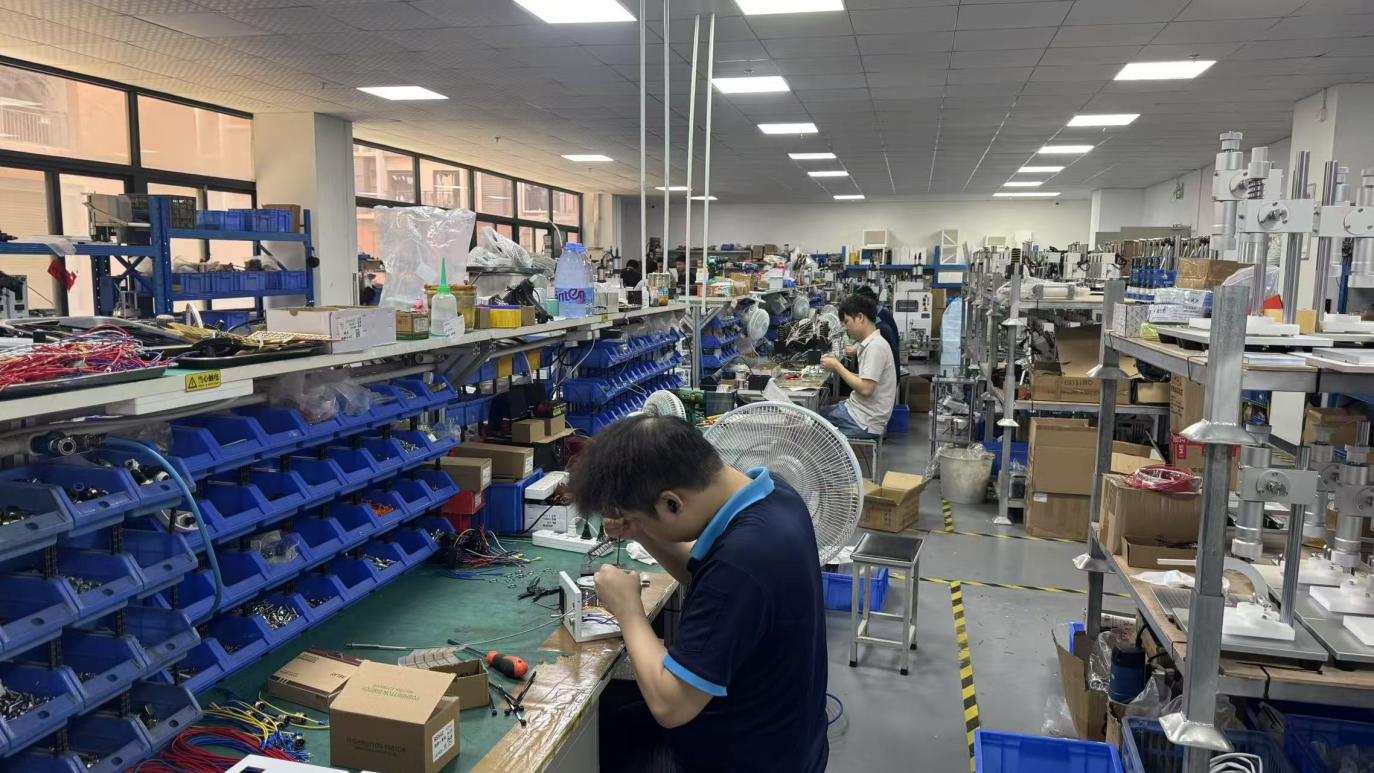
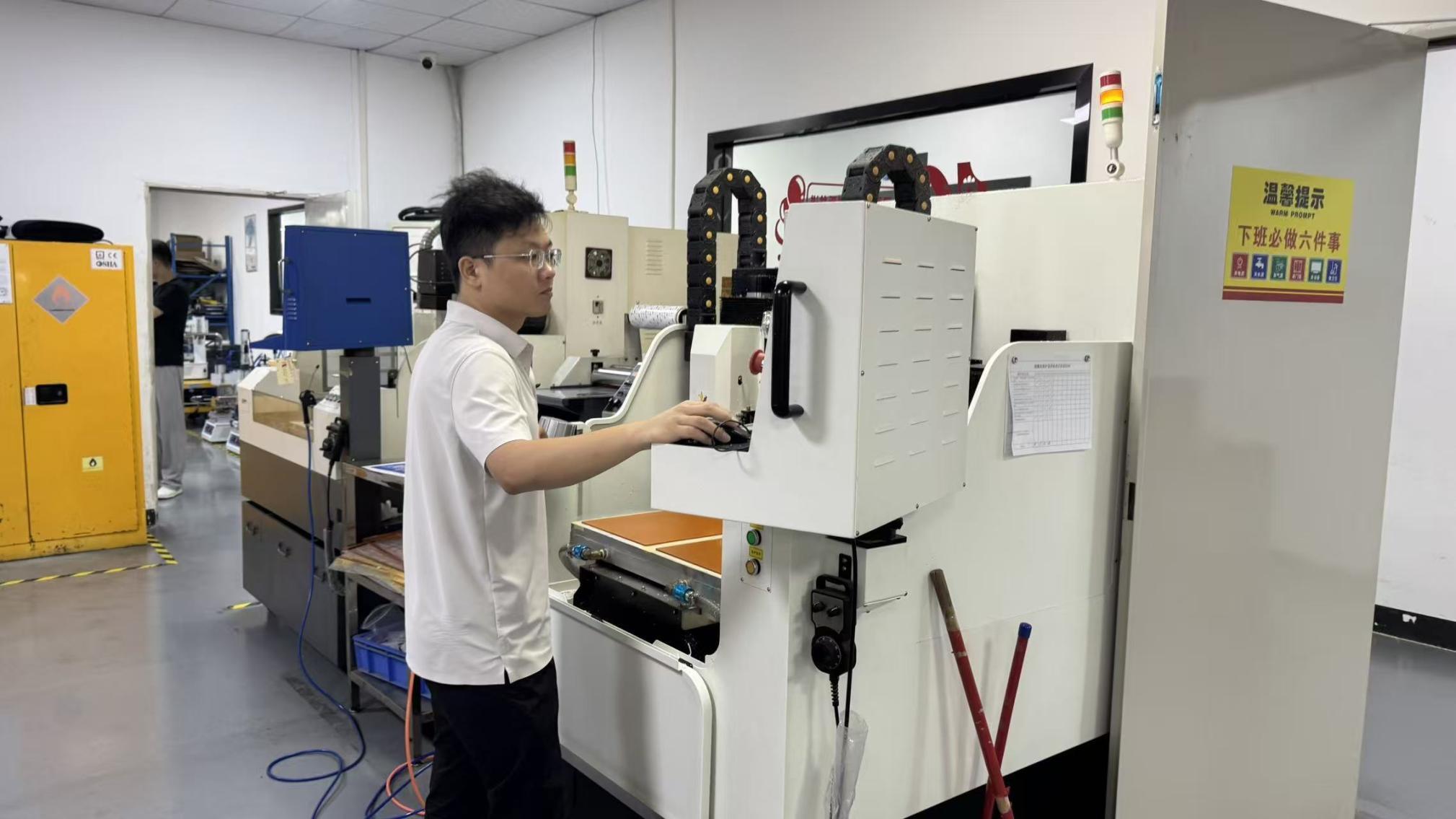
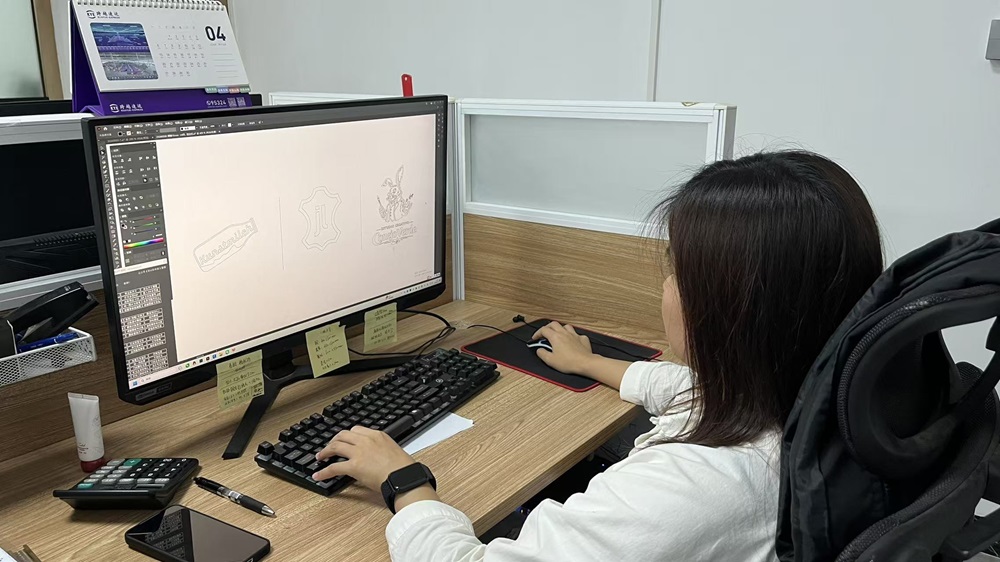
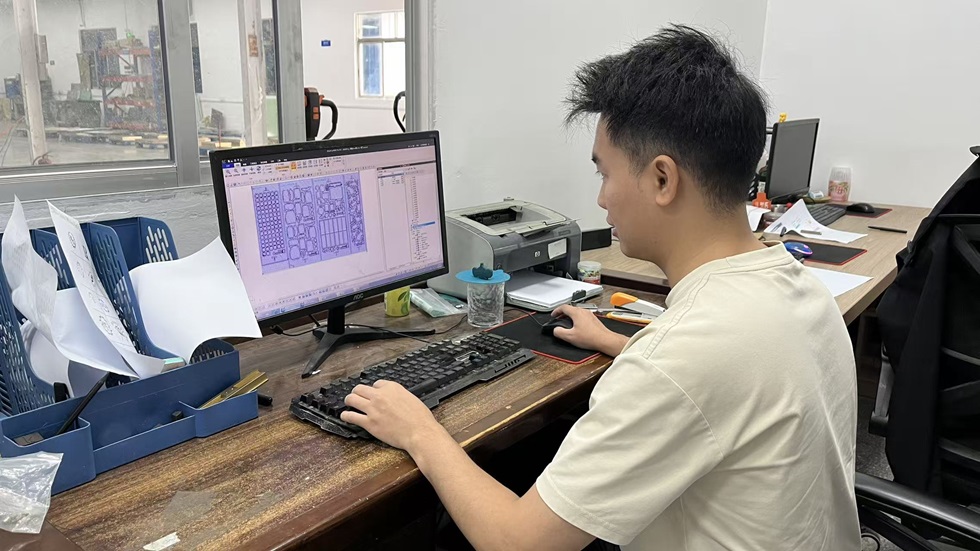
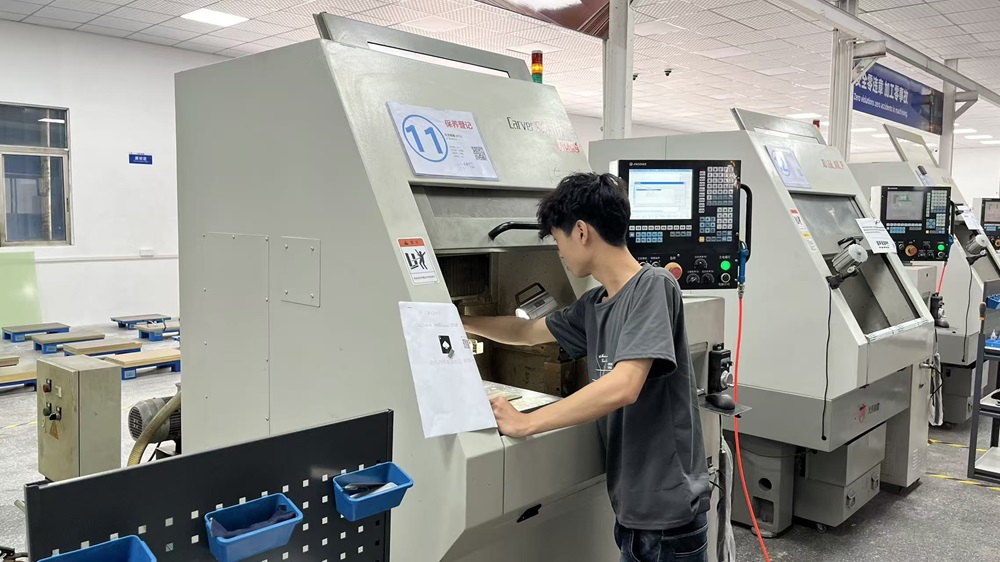
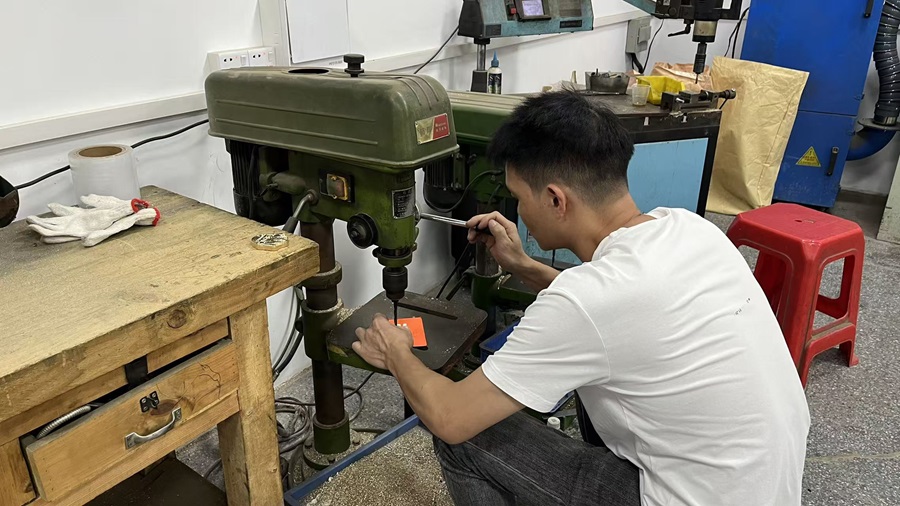
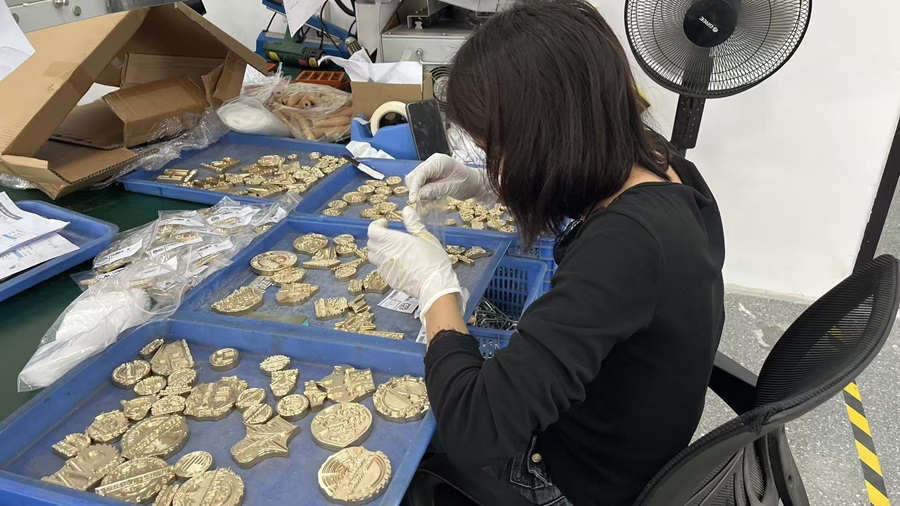
Each phase of the engineering process is monitored closely using advanced inspection systems to ensure strict dimensional control.
As the international manufacturing sector transitions toward decarbonization and smart production, the appliance mold industry is adapting to these goals through new technical approaches:
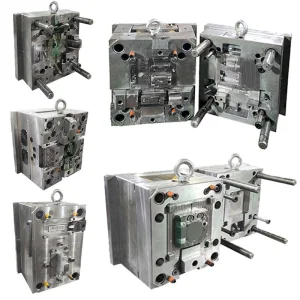
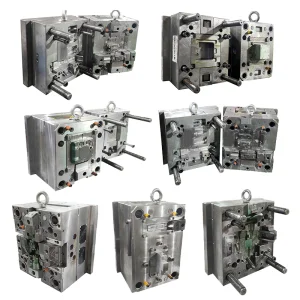
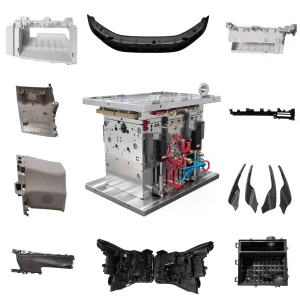
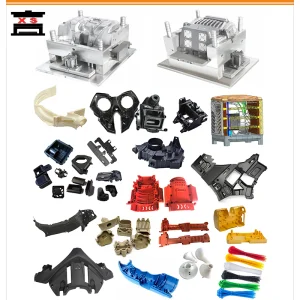
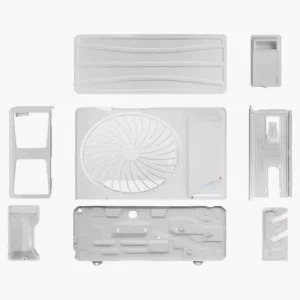
A full range of high-performance molding systems and custom stamping dies for diverse home appliance components.
Common questions from buyers in Antigua and Barbuda regarding shipping, custom tooling development, and materials.
We manage shipping via key logistics routes, transit-shipping through international ports (such as Kingston, Jamaica or Port of Spain, Trinidad) to the port of St. John's, Antigua. Standard ocean freight takes between 35 to 45 days. High-priority components or prototype inserts can be delivered via air express (DHL/FedEx) within 7 to 10 days.
Every mold undergoes a rigorous anti-corrosion prep: the cavities are treated with industrial rust inhibitors, wrapped in thick vacuum-sealed barrier film, and shipped in sturdy, IP65-rated wooden crates lined with moisture absorbents. This protects the tool steel during transport through variable sea temperatures and high humidity.
Yes. For appliance components requiring flame retardancy (UL94 V-0) or high stiffness (such as PA66 + 30% GF used in washing machine internal components), we construct our tooling with premium wear-resistant steel cores like H13 or D2. These steels are hardened to HRC 52-58 to prevent erosion from glass fibers.
We use state-of-the-art Coordinate Measuring Machines (CMM) and optical scanners to check dimensional accuracy. We also provide customers with full mold flow analysis reports, steel certificates, heat treatment charts, and a complimentary trial run video along with product samples (T1 trials) for validation before dispatch.
Our CAD/CAM files are packaged in accessible formats (STEP, IGES, DWG) to allow local machine shops in Antigua & Barbuda to execute basic maintenance if needed. For complex modifications, we provide direct engineering support remotely or can dispatch senior field technicians to customer assembly sites.
 Ohio Machine